Google to Count All Android Backup Data Towards Storage Limits by 2026
Google is set to include all Android backup data, including SMS and call history, in user storage limits starting July 7, 2026, a move that could subtly push users towards paid cloud subscriptions.
✨ This content was summarized and interpreted by AI; it may contain errors — please verify accuracy with the original sources. Learn more
Listen to this story
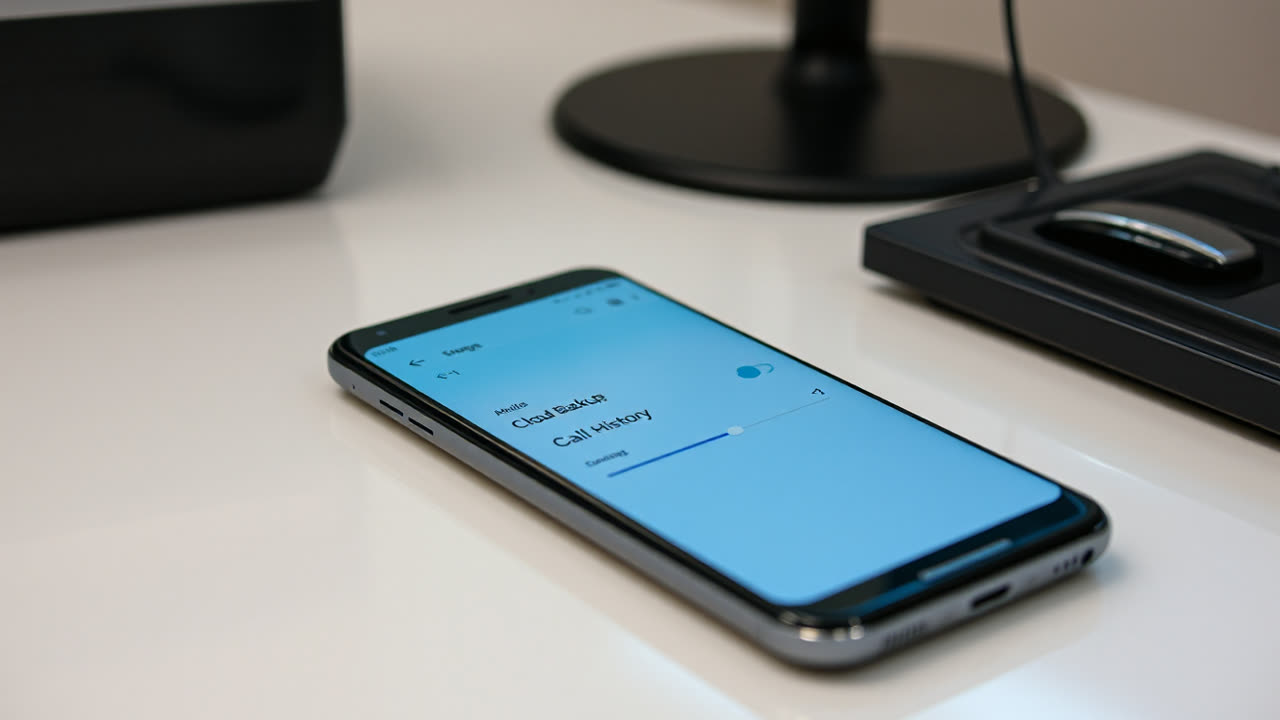
Effective July 7, 2026, Google will begin counting all Android backup data toward a user's Google Account storage limit, marking a significant shift in its cloud storage policy. Previously, only images and videos uploaded to Google Photos, along with MMS media, contributed to the free 15GB storage allocation. This updated policy now expands to include crucial data types such as SMS messages, call history, and device settings.
While this change might initially sound alarming, Google states that the new data types are expected to add only about 40MB to the average backup size. This relatively small increase means most users are unlikely to hit their storage caps immediately due to Android backups alone. However, this adjustment is part of a broader trend by Google to consolidate and, implicitly, monetize its cloud storage offerings. It follows previous policy changes, such as the end of unlimited high-quality Google Photos storage in 2021 and WhatsApp backups counting towards storage since late 2023, steadily pushing users closer to their 15GB free tier limit.
Fortunately, Google is simultaneously rolling out enhanced, granular controls for Android backups. Users will gain the ability to individually toggle off backing up SMS/MMS messages, call history, and device settings. Furthermore, per-app backup controls are being introduced, allowing for more precise management of what data is saved to the cloud. These controls are a welcome addition, empowering users to decide what truly merits cloud storage and potentially deferring the need for a Google One subscription. Nevertheless, the continuous tightening of free storage policies underscores an evolving digital landscape where cloud storage, once a largely complimentary offering, is increasingly becoming a premium service.