Google Unleashes 'Googlebook' with Gemini OS, Challenging Windows and macOS
Google has launched its highly anticipated "Googlebook" platform with Gemini OS and five new laptops, marking its most direct and ambitious challenge yet to the established dominance of Windows and macOS by aiming to redefine personal computing with an AI-centric ecosystem.
✨ This content was summarized and interpreted by AI; it may contain errors — please verify accuracy with the original sources. Learn more
Listen to this story
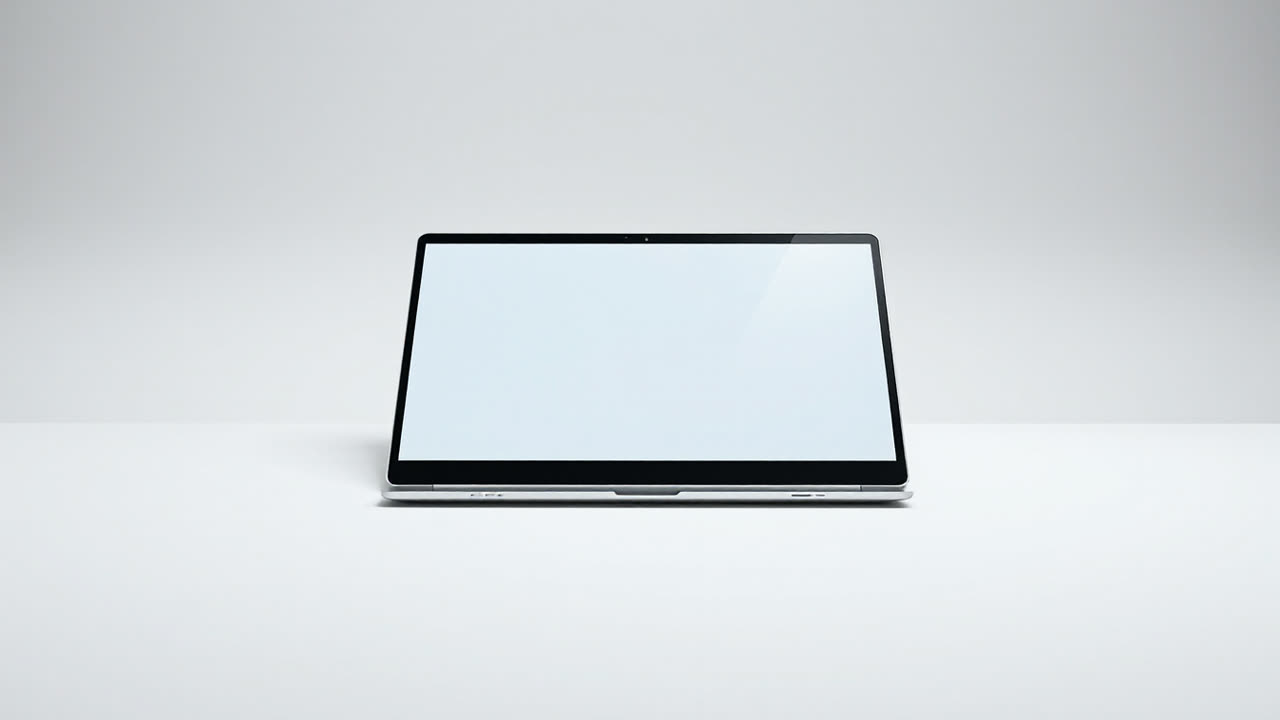
Google has finally unleashed its long-anticipated "Googlebook" platform, marking a significant strategic pivot in the personal computing landscape with the immediate availability of five inaugural laptops from Acer, Asus, Dell, HP, and Lenovo, all available for preorder starting today, September 21, 2026, ahead of their imminent arrival in retail stores. This launch represents more than just new hardware; it signals Google's most direct and ambitious challenge yet to the established dominance of Windows and macOS, aiming to carve out a distinct, AI-centric ecosystem for the next generation of portable computing.
The core of the Googlebook initiative is the debut of "Gemini OS," a sophisticated new operating system that transcends the limitations of its ChromeOS predecessor by deeply integrating the Android application ecosystem with robust web functionalities and a powerful, natively optimized AI core. Unlike ChromeOS, which primarily served as a web-first platform, Gemini OS is designed for intensive local AI processing, seamless cross-device continuity with Android and Pixel devices, and native support for a broader range of productivity and creative applications. Early models, such as the Acer Googlebook Swift X and the Asus Googlebook Zenbook AI, are reported to feature Qualcomm's latest Snapdragon X Elite and Plus processors, ensuring exceptional power efficiency and dedicated neural processing units (NPUs) for advanced on-device AI capabilities. The Dell Googlebook XPS AI and HP Googlebook Spectre Fold are expected to push the premium segment, potentially incorporating Google's custom Tensor Desktop chips, offering superior performance and deeper integration with Google's proprietary AI models. Pricing is anticipated to range from an accessible entry point of around $799 for more mainstream models to upwards of $1,899 for high-end configurations, positioning Googlebooks squarely against mid-range to premium Windows laptops and Apple's MacBook Air series.
This strategic move carries profound implications for users and the industry alike. For users, Googlebook promises a more cohesive and intelligent computing experience, leveraging Gemini AI to power features like context-aware search, real-time language translation, advanced content generation, and predictive workflows directly on the device, minimizing reliance on cloud processing for common tasks. The integration of Android apps, alongside a growing suite of progressive web applications (PWAs) and a new developer framework for native Gemini OS applications, aims to address the long-standing software gaps that hindered ChromeOS adoption among power users and professionals. The emphasis on long battery life, often exceeding 15-20 hours on a single charge due to ARM architecture optimization, will appeal to mobile professionals and students. Furthermore, the platform's stringent security protocols and privacy-focused design, building on Google's expertise in cloud security, are touted as key differentiators.
Industrially, Googlebook's arrival intensifies the ongoing battle for the future of personal computing, particularly in the wake of Microsoft's Copilot+ PC initiative and Apple's continued success with Apple Silicon. Google is not merely offering an alternative; it is proposing a fundamentally different paradigm centered around pervasive, on-device AI and a unified software experience across mobile and desktop. This will inevitably pressure both Microsoft and Apple to further innovate their AI integrations and cross-device functionalities. Chipmakers, particularly Qualcomm and MediaTek, stand to gain significantly from Google's commitment to ARM-based computing, potentially accelerating the transition away from x86 dominance in the laptop market. For existing Chromebook manufacturers, Googlebook presents both an opportunity and a challenge; while it offers a more premium and versatile platform, it also risks cannibalizing higher-end Chromebook sales if not clearly differentiated. The move suggests Google is looking to capture a larger share of the enterprise and creative markets, areas where Chromebooks have traditionally struggled to gain significant traction.
Looking ahead, the success of Googlebook will hinge on several critical factors. Developer adoption of the new Gemini OS native application framework will be paramount; without a robust ecosystem of professional-grade software, even the most powerful hardware and innovative AI features will fall short. Google's ability to market Gemini OS as a distinct and superior alternative to Windows and macOS, rather than just a more powerful Chromebook, will also be crucial. Expect to see aggressive marketing campaigns highlighting the AI capabilities and seamless integration with Google's vast suite of services. Future iterations are likely to explore more radical form factors, potentially including enhanced mixed-reality integration and deeper connections with Google's smart home ecosystem. The long-term vision appears to be a world where computing is less about the device and more about the intelligent, context-aware assistance provided by Gemini, seamlessly flowing across all screens and interactions. This initial Googlebook lineup is just the first step in what promises to be a transformative, and highly competitive, new chapter in personal computing.
FACTS: These are the first five Googlebook laptops — Google and partners are finally announcing the first laptops under the new Googlebook banner. There are five models from Acer, Asus, Dell, HP, and Lenovo to kick things off. They're available for preorder starting today and arrive in stores (kaynak: The Verge AI, https://www.theverge.com/gadgets/997659/googlebooks-breakdown-acer-asus-hp-lenovo-dell)