Google Unveils AI-Powered Pixel 9, Pixel Fold 3, and Tensor G6 at Made by Google 2026 Event
Google's upcoming Made by Google event will showcase the Pixel 9 series, third-gen Pixel Fold, Pixel Watch 3, and a refreshed Pixel Tablet, all powered by the new AI-centric Tensor G6 chip, aiming to deepen its ecosystem and challenge rivals.
✨ This content was summarized and interpreted by AI; it may contain errors — please verify accuracy with the original sources. Learn more
Listen to this story
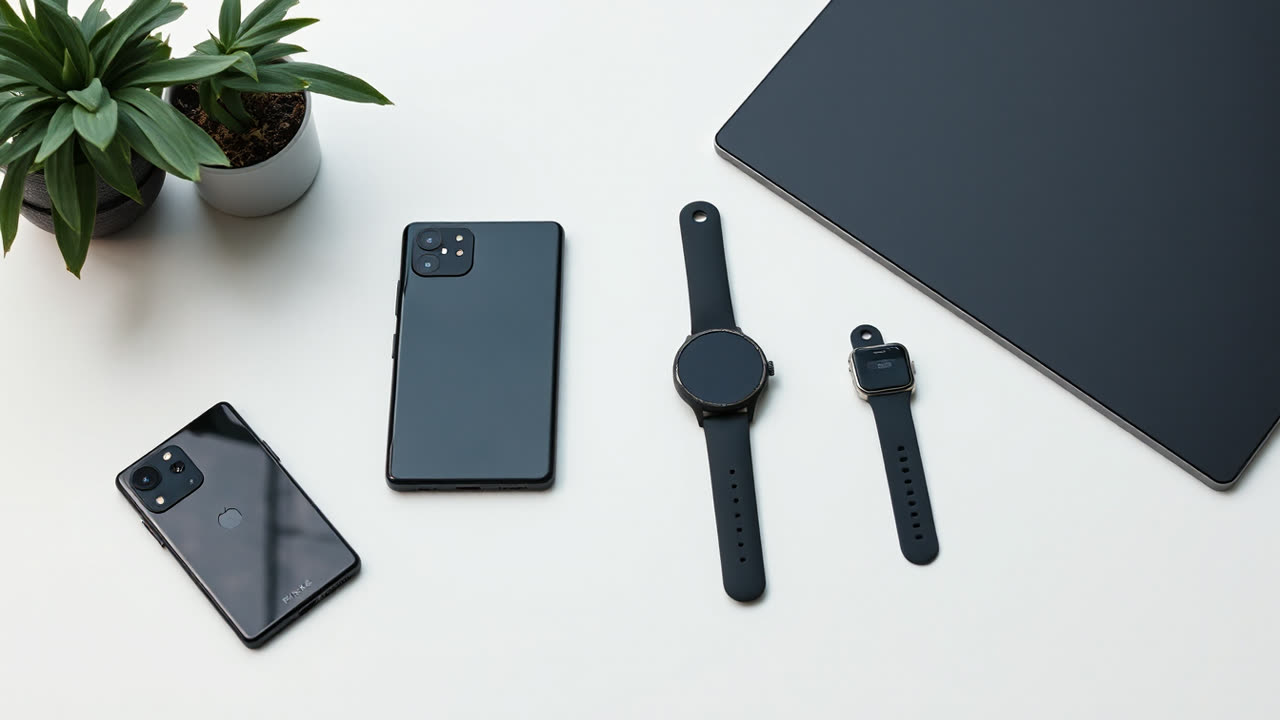
Google's annual Made by Google hardware launch event, scheduled for this Wednesday, is poised to unveil the Pixel 9 series and the third-generation Pixel Fold, alongside a suite of AI-centric hardware and software advancements designed to deepen the company's ecosystem integration and challenge established rivals. This year’s event is particularly critical for Google, as it seeks to translate its significant investment in on-device artificial intelligence and custom silicon into tangible market share gains against Apple and Samsung, especially within the increasingly competitive premium smartphone and foldable segments.
The headline act, the Pixel 9, is anticipated to arrive in multiple variants, likely including a standard model, a Pro version, and potentially a more compact "Pro mini" or "Ultra" variant, a strategic move to broaden its appeal and cover more price points. Leaks suggest a refined design language, potentially featuring flatter edges and a re-imagined camera bar, moving away from the full-width visor of previous generations. The camera system remains a focal point, with rumors pointing to upgraded sensors and new computational photography capabilities, including enhanced low-light performance and advanced video features, leveraging the prowess of the new Tensor G6 chip. This custom silicon is expected to be the true star, offering substantial improvements in AI processing power and energy efficiency, vital for running complex on-device generative AI tasks that are becoming a hallmark of the Pixel experience. Early benchmarks, though unconfirmed, indicate a significant leap in neural processing unit (NPU) performance, potentially putting it on par with, or even exceeding, Apple's latest A-series chips in certain AI-specific workloads.
The third iteration of the Pixel Fold is also garnering significant attention, with expectations of a sleeker design, a less prominent crease, and a more durable hinge mechanism, directly addressing feedback from its predecessors and aiming to close the gap with Samsung's dominant Galaxy Z Fold series. The cover display is rumored to be larger and more practical, while the internal foldable screen is expected to boast higher refresh rates and improved brightness, crucial for an immersive user experience. Critically, the integration of the Tensor G6 chip will be paramount for the Pixel Fold, enabling seamless multitasking, enhanced productivity features tailored for the larger canvas, and advanced on-device AI capabilities that differentiate it from competitors. For instance, real-time language translation and AI-powered summarization of lengthy documents could become standard features, leveraging the foldable form factor.
Beyond smartphones, Google is expected to unveil the Pixel Watch 3, which leaks suggest will offer improved battery life, a sleeker design with potentially thinner bezels, and new health tracking sensors, including advanced sleep apnea detection and more accurate body temperature monitoring. The integration with Fitbit services is expected to deepen, providing a more comprehensive health and wellness platform. The smart home ecosystem is also likely to see updates, with a possible refresh of the Pixel Tablet, potentially featuring the Tensor G6 chip for enhanced smart display mode functionality and improved performance for Android applications. This strategic move reinforces Google's ambition to position the Pixel Tablet not just as a casual media consumption device, but as a central hub for the smart home, capable of more complex AI interactions and entertainment.
The "why it matters" aspect extends beyond mere specifications. Google's 2026 lineup represents a concerted effort to solidify its position as an AI-first hardware company. The Tensor G6 chip is not just about raw power; it's about enabling a fundamentally different user experience where AI proactively assists, anticipates needs, and personalizes interactions directly on the device, minimizing reliance on cloud processing for sensitive data. This local AI processing is a key differentiator, promising enhanced privacy and responsiveness for features like advanced voice commands, real-time image editing, and intelligent notifications. The industry impact is substantial: Google is pushing the envelope for on-device AI, forcing rivals to accelerate their own silicon development and software integration, ultimately benefiting consumers with more intelligent and efficient devices. This also puts pressure on Qualcomm, whose Snapdragon chips power most Android flagships, to further innovate in its NPU capabilities to remain competitive in the burgeoning AI-centric smartphone market.
Comparing this generation to its predecessors, the Pixel 9 and Pixel Fold 3 are expected to represent a more mature and refined vision of Google's hardware. While earlier Pixel generations often felt like experiments in software-first hardware, the 2026 lineup appears to be a more cohesive and polished offering, reflecting Google's growing expertise in vertical integration. Against rivals, the Pixel 9 series will directly challenge Apple's iPhone 18 and Samsung's Galaxy S27 lines, particularly on camera performance and AI features. The Pixel Fold 3, with its rumored design improvements and Tensor G6 integration, aims to be a more formidable competitor to Samsung's Galaxy Z Fold 6, potentially offering a more compelling software experience tailored for foldables.
Looking ahead, Google's trajectory is clear: a relentless focus on AI-powered experiences, driven by custom silicon. The 2026 launch event will lay the groundwork for a future where the distinction between hardware and software blurs, with AI acting as the central nervous system of the entire Pixel ecosystem. We can expect Google to continue refining its Tensor chips, pushing for even greater efficiency and AI capabilities, potentially exploring new form factors or ambient computing devices that seamlessly integrate into users' lives. The success of this generation will dictate Google's long-term viability as a premium hardware player, determining whether it can truly carve out a significant niche beyond its loyal fan base and become a mainstream contender in the fiercely competitive tech landscape.