Googlebook Pre-Orders Begin September 21, Marking Google's AI-First Laptop Era
Google's ambitious re-entry into premium AI-first laptops begins with Googlebook pre-orders on September 21 and a formal launch event on October 5, signaling a profound strategic pivot that merges Android and ChromeOS with deep Gemini AI integration to challenge Apple and Microsoft in the burgeoning AI PC market.
✨ This content was summarized and interpreted by AI; it may contain errors — please verify accuracy with the original sources. Learn more
Listen to this story
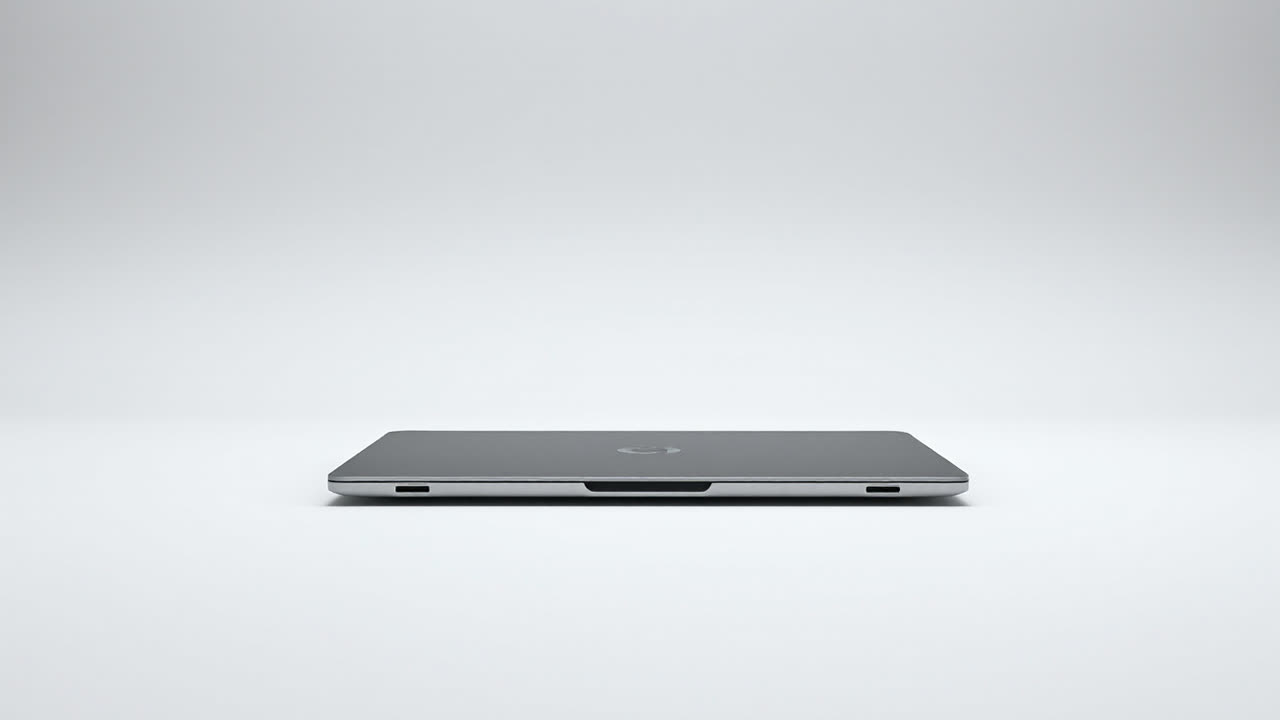
Google's strategic pivot in personal computing culminates with pre-orders for the new Googlebook platform beginning September 21, marking a significant evolution from its Chromebook lineage. The anticipated "celebration" event on October 5 is poised to formally introduce a new era of AI-first laptops, which will run on a unified operating system, provisionally dubbed "Aluminium OS" but now referred to as "Googlebook OS," merging Android and ChromeOS with deep Gemini AI integration. This move represents Google's most ambitious re-entry into the premium laptop space in years, signaling a departure from the budget-focused ChromeOS strategy.
This launch is a profound statement on Google's vision for ambient computing and artificial intelligence, fundamentally altering the user experience. The Googlebook devices are not merely enhanced Chromebooks; they are designed from the ground up to be AI-native, seamlessly blending mobile applications and desktop productivity. Key features like the "Magic Pointer," an AI-infused cursor that reads on-screen context to suggest actions, and "Create My Widget," which allows natural language creation of personalized desktop widgets, promise a deeply integrated and proactive AI assistant. Furthermore, "Cast My Apps" will enable direct interaction with Android smartphone applications and files on the laptop, fostering a more cohesive cross-device ecosystem. For consumers, this signifies a premium computing experience where the device anticipates needs and streamlines workflows, moving beyond mere task execution to intelligent assistance.
The industry impact of Googlebook is multifaceted and substantial. By partnering with established OEMs such as Acer, Asus, Dell, HP, and Lenovo, Google is leveraging diverse hardware expertise while maintaining control over the core software and AI experience. This collaborative approach stands in stark contrast to Google's previous Pixelbook strategy, which involved manufacturing its own hardware, and positions Googlebook as a direct challenger to Apple's macOS ecosystem and Microsoft's Windows platform, particularly in the burgeoning AI PC market. This strategic shift could significantly disrupt market dynamics, especially as Google aims for a premium segment where ChromeOS has historically struggled. The emphasis on Android as the primary laptop foundation, offering direct access to smartphone apps and files, also signals a serious attempt to extend Android's mobile dominance into the desktop realm.
This bold move comes amidst a fluctuating landscape for Google's other hardware ventures. Notably, the Googlebook's emergence coincides with the recent discontinuation of the Pixel Tablet, which Google officially removed from its online store and major retailers in September 2026. The Pixel Tablet, launched in 2023 as a hybrid tablet and smart home display, faced mixed reactions and was reportedly plagued by poor sales and profitability concerns, leading to the cancellation of planned second and third-generation models. This highlights Google's willingness to re-evaluate and consolidate its hardware strategy, focusing resources on what it perceives as the next frontier.
The Googlebook platform represents a fundamental architectural departure from its predecessor. While Chromebooks, first launched 15 years ago, were built for a cloud-first generation with a web-centric ChromeOS, Googlebooks are inherently AI-first, running on an Android-based desktop mode that natively supports Android applications. This addresses a long-standing limitation of ChromeOS, where Android apps often ran in a sandboxed environment with varying performance. ChromeOS currently holds a modest 1.86% of the global desktop OS market share as of March 2026, though it sees a significantly higher 8.44% in the US, primarily driven by K-12 education deployments. The Googlebook aims to transcend this educational niche, targeting mainstream consumers and professionals with its premium positioning and advanced AI capabilities. In comparison, Windows maintains a dominant 71.68% global desktop OS share, while macOS holds 15.70% globally.
Looking ahead, the success of Googlebook hinges on several critical factors. The platform's ability to deliver on its ambitious AI promises, particularly through the Gemini Intelligence system, will be paramount. Google must ensure that the "Magic Pointer" and other AI features offer tangible, everyday benefits that differentiate Googlebook from traditional laptops and existing AI-enhanced devices from rivals. Furthermore, the OEM partnership model, while expanding reach, necessitates consistent quality and a cohesive user experience across different manufacturers. The pricing strategy will also be crucial; while positioned as premium, Googlebook must offer compelling value against established high-end offerings from Apple and Microsoft. If successful, Googlebook could not only revitalize Google's presence in the laptop market but also accelerate the broader industry shift towards deeply integrated, AI-powered personal computing, potentially setting a new standard for how users interact with their devices in the coming decade.