Googlebooks Launch October 4, Preorders Live for Five Premium Models at $899
Google is making its most ambitious move into the premium laptop market with Googlebooks, launching October 4 with five models available for preorder today, starting at $899, aiming to challenge Apple and Microsoft with top-tier hardware and deep Android integration.
✨ This content was summarized and interpreted by AI; it may contain errors — please verify accuracy with the original sources. Learn more
Listen to this story
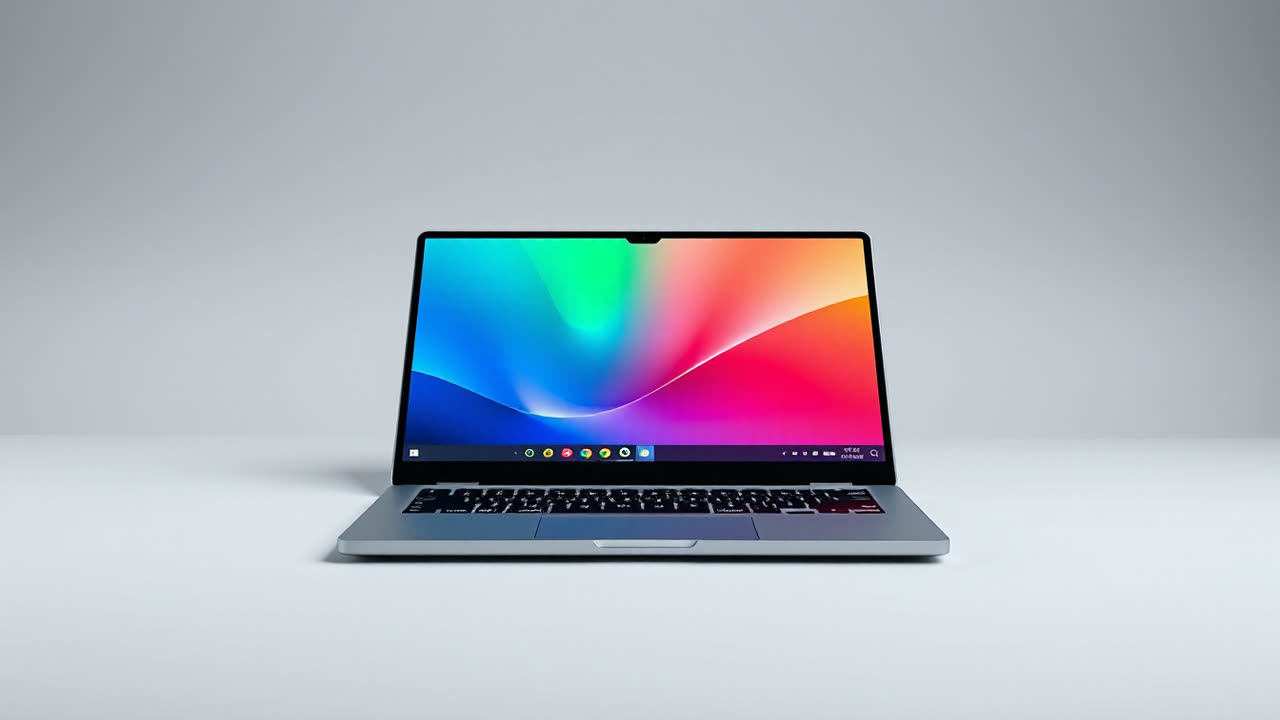
Googlebooks are set to launch on October 4, with five models available for preorder today, marking Google's most ambitious push yet into the premium laptop market, starting at an eyebrow-raising $899. This aggressive pricing positions Googlebooks not merely as a high-end Chromebook variant, but as a direct challenger to established premium offerings from Apple and Microsoft, emphasizing top-tier hardware and unprecedented deep integration with the Android smartphone ecosystem. The immediate availability of preorders across a range of configurations signals Google's confidence in its new hardware lineup and its readiness to compete directly for the wallets of discerning consumers looking for a cohesive cross-device experience.
The "premium hardware" claim extends beyond mere aesthetics, encompassing advanced processors, high-resolution displays, and robust build quality designed to rival industry leaders. While specific chipsets across all five models remain under wraps for the entry-level devices, higher-end configurations are rumored to feature custom Google Tensor-series processors, optimized for AI workloads and seamless interaction with Google's software stack. This focus on bespoke silicon, mirroring strategies seen in the smartphone and tablet sectors, suggests a concerted effort to deliver unparalleled performance and efficiency within the Google ecosystem. Furthermore, the "deep smartphone integration" is poised to be a significant differentiator, promising features like instant hotspot connectivity, unified notification management, and drag-and-drop file sharing between a Googlebook and an Android phone, far exceeding the capabilities of standard Bluetooth or cloud-based syncing. This level of synergy aims to create a truly unified computing experience, blurring the lines between mobile and desktop productivity.
For users, the Googlebooks launch signifies a compelling, albeit expensive, new option in a mature market. The $899 starting price point, while potentially off-putting for traditional Chromebook buyers, targets a demographic accustomed to premium pricing for premium features. This segment values not just raw power, but a frictionless user experience and strong ecosystem benefits. Those heavily invested in Google's Android and cloud services, particularly Pixel phone users, stand to gain the most from the promised deep integration, potentially streamlining workflows and enhancing productivity in ways current laptop offerings cannot. The decision to offer five distinct models from launch also suggests Google is aiming to cater to a spectrum of professional and creative users, from those needing a portable workhorse to power users demanding top-tier specifications for demanding tasks like video editing or software development.
In the broader industry, Googlebooks' entry at this price point and with these integration promises represents a significant strategic move by Google. It directly challenges Apple's tightly integrated MacBook ecosystem and Microsoft's Surface line, both of which have long championed premium hardware and software synergy. While Chromebooks have traditionally carved out a niche in the education and budget-friendly segments, Googlebooks aims to elevate ChromeOS (or a new, hybrid OS variant if rumors hold true) into the high-performance, high-profit margin space. This could force rivals to further innovate their own cross-device experiences or risk losing market share among users seeking a more unified digital life. The success of Googlebooks could also validate Google's long-term vision of a hardware-software ecosystem that spans smartphones, wearables, smart home devices, and now, premium laptops, making their entire product family more sticky and competitive.
Historically, Google's hardware ventures have seen mixed success, from the early Nexus phones to the more recent Pixel lineup and various smart home devices. While the Pixel phones have gained critical acclaim, they haven't dominated market share. The Googlebooks represent a maturation of Google's hardware strategy, moving beyond experimental devices to a fully-fledged, premium offering with a clear value proposition centered around ecosystem integration. This pivot is crucial as the laptop market, while stable, demands differentiation beyond raw specifications. Google's prior attempts in the laptop space, like the original Chromebook Pixel, were often ahead of their time or too niche. The current landscape, however, with a greater emphasis on cloud computing and mobile-desktop convergence, provides a more fertile ground for a device that seamlessly bridges these experiences.
Looking ahead, the success of Googlebooks will hinge not just on initial sales, but on sustained software updates, the realization of its promised integration features, and how effectively Google can communicate its unique value proposition to a market saturated with established players. If Googlebooks deliver on their promise of a truly unified experience, they could carve out a significant segment of the premium laptop market, forcing competitors to rethink their own ecosystem strategies. However, if the integration proves to be more marketing than reality, or if the price point alienates too many potential buyers, Googlebooks could face an uphill battle against deeply entrenched rivals. The long-term outlook for Google's hardware ambitions, and indeed the future of cross-device computing, will be significantly shaped by the reception and evolution of this new, premium laptop line.