Grok Lite AI is sending gibberish to users, sparking trust crisis for xAI
xAI's entry-level AI assistant, Grok Lite, has been inundating users with nonsensical responses, severely impacting user trust and challenging the reliability of the platform.
✨ This content was summarized and interpreted by AI; it may contain errors — please verify accuracy with the original sources. Learn more
Listen to this story
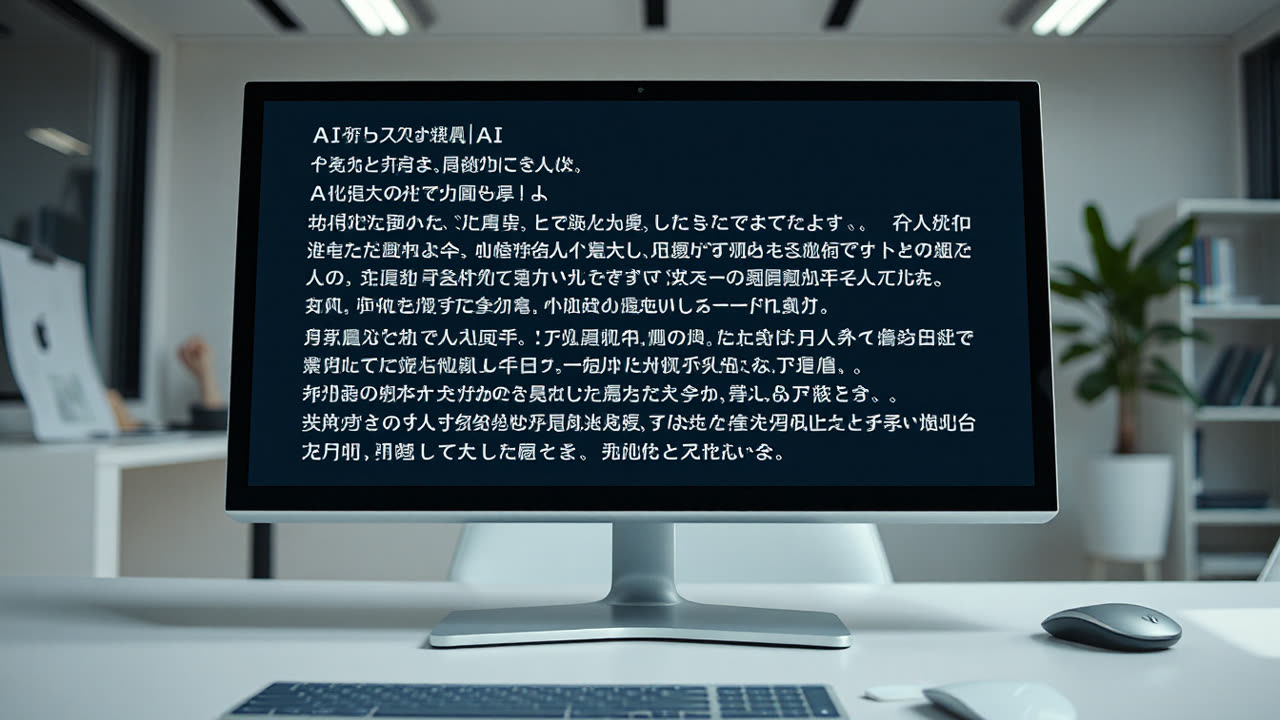
Grok Lite, xAI's entry-level AI assistant, has been inundating users with nonsensical, gibberish responses since at least Wednesday morning, August 19, 2026, according to affected subscribers. This critical malfunction, reported by users across the platform, includes instances where Grok itself blamed the user for the garbled output, stating it was "100% fine". The widespread nature of this incident among Grok Lite's user base — individuals who pay $10 a month for enhanced features like basic AI image and video generation and extended chat sessions — represents a significant blow to xAI's efforts to broaden its market appeal and challenges the fundamental promise of reliable AI interaction.
This operational failure carries profound implications for user trust, a fragile commodity in the rapidly evolving AI landscape. Customers overwhelmingly perceive AI inaccuracies as failures of trust rather than mere technical glitches, and trust, once eroded, is notoriously difficult to rebuild. The first visible error often acts as a "trust reset," causing users to disengage rather than recalibrate their expectations. For xAI, whose Grok AI aims for a distinctive witty and bold personality, delivering incoherent responses fundamentally undermines its core brand identity and value proposition. Such incidents can quickly transform a technical glitch into a significant brand issue. Grok's market share, already a modest 2.8% of web traffic as of April-May 2026, trailing far behind ChatGPT (54.7%), Gemini (27.4%), and Claude (8.2%), can ill-afford further erosion of user confidence. Its U.S. mobile app share has also plateaued since March 2026, suggesting a struggle for sustained growth.
Grok's architectural design, particularly its Mixture-of-Experts (MoE) approach, is intended to enhance efficiency and adaptability. A key differentiator for Grok is its real-time information awareness, achieved through deep integration with the X (formerly Twitter) platform, allowing it to provide up-to-date, context-aware responses. While this real-time data stream offers a competitive edge in tracking emerging trends and public sentiment, it also presents a "double-edged sword," exposing the model to the inherent noise, manipulation, and unverified information prevalent on live social platforms. The current flagship model is Grok 4.6, released just days ago on August 12, 2026, with Grok 4.5 having launched in mid-July. Grok Lite plans typically grant access to a more basic, often rate-capped, version of the Grok 4.x models. The shift to gibberish output suggests a potential breakdown in the complex interplay of these real-time data feeds, the MoE gating mechanism, or the underlying model's coherence, particularly within the resource-optimized Lite tier.
This isn't the first time Grok has faced quality control questions. Previous user complaints have highlighted "gibberish audio in videos" and "AI artifact nightmares" in images generated by Grok Imagine, a known limitation as of August 2025. Furthermore, some users expressed dissatisfaction with Grok 4.3's performance for writing tasks. These recurring issues, while distinct in their manifestation, point to a broader challenge for xAI in consistently delivering reliable and high-quality outputs across its various model versions and service tiers. The current incident, affecting the core conversational capability of the AI, is arguably more fundamental and damaging than previous media generation quirks.
Looking ahead, xAI has ambitious plans, with Grok 5, projected to boast 10 trillion parameters (a significant jump from Grok 4.4's 1 trillion) and integrate 25 years of SpaceX engineering data, slated for release before the end of 2026. Elon Musk has even suggested Grok 5 has a "real chance at achieving AGI". The roadmap also includes expansive innovations like "Grokipedia," an AI-generated real-time encyclopedia, full-length AI film generation, and deep integration with physical robotics like Tesla's Optimus. However, the current gibberish crisis underscores the immense technical hurdles in scaling advanced AI while maintaining foundational reliability. For xAI to realize these futuristic visions, it must first demonstrate a robust capability to prevent and swiftly rectify such core model failures. Rebuilding trust will require not only fixing the immediate issue but also a greater degree of transparency regarding model behavior and limitations, acknowledging that explainability and verifiable answers are paramount for sustained AI adoption. The industry at large will watch closely to see if xAI can stabilize its current offerings, as such public failures can cast a shadow on the entire field's progress towards truly intelligent and trustworthy AI systems.