HMP Flash Scooter Challenges US Micromobility with 75 MPH Speed, $3,999 Price
The HMP Flash electric scooter, boasting a 75 MPH top speed and an accessible $3,999 price, has entered the US market, poised to redefine personal electric transport beyond traditional urban micromobility.
✨ This content was summarized and interpreted by AI; it may contain errors — please verify accuracy with the original sources. Learn more
Listen to this story
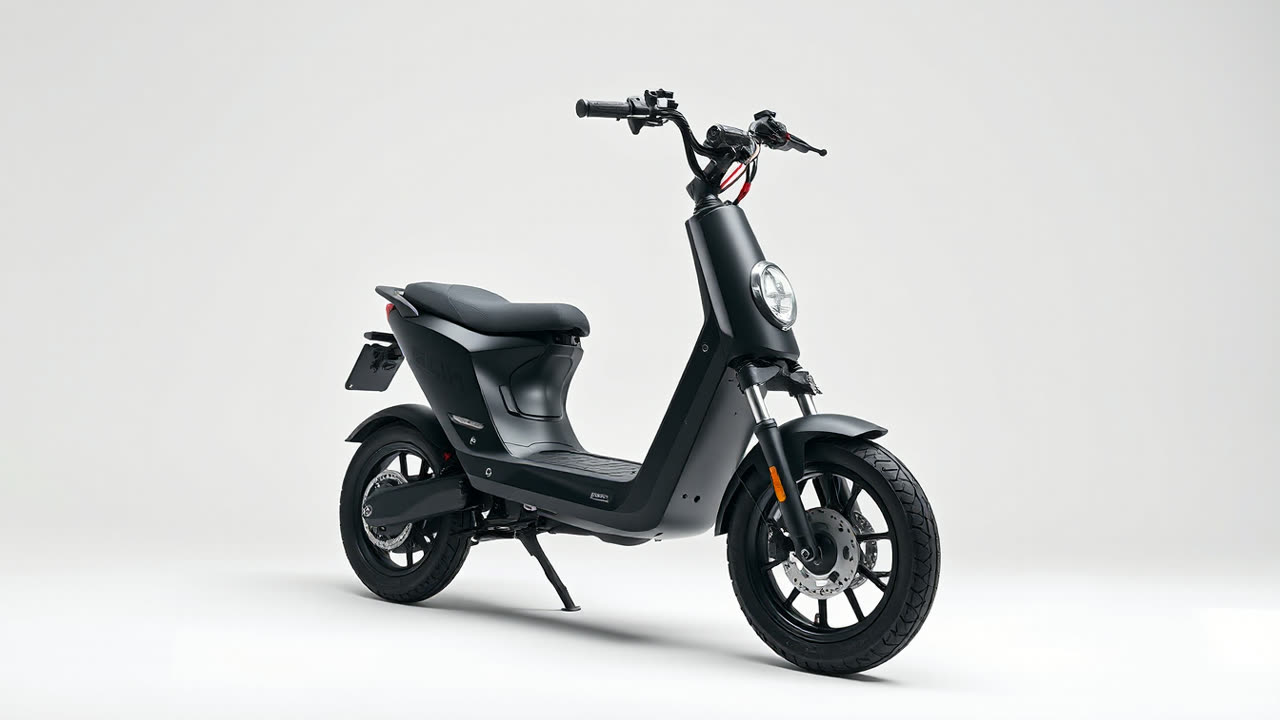
The HMP Flash electric scooter, capable of a startling 75 MPH (120 km/h) top speed and priced at an accessible $3,999, has just been introduced to the US market, fundamentally challenging the long-held perception of electric scooters as mere urban curiosities. This aggressive entry, highlighted by an Electrek report on July 18, 2026, posits the Flash not as a last-mile solution, but as a legitimate, high-performance commuter vehicle designed to bridge the significant gap between ubiquitous electric bicycles and more expensive, heavier electric motorcycles.
The core news details a machine engineered for speed and range, boasting a 10 kW peak motor and a 72V 50Ah battery that promises an impressive 100 miles (160 km) on a single charge. Beyond raw power, the HMP Flash integrates modern safety and convenience features, including ABS, regenerative braking, and a comprehensive digital display with GPS navigation. This specification sheet immediately places it in a different league from the typical shared or personal electric scooters prevalent in US cities, which rarely exceed 20-30 MPH. Its "affordable" price point of $3,999 is particularly disruptive, positioning it thousands below the entry-level for most dedicated electric motorcycles, which often start in the $7,000-$10,000 range, while offering performance that far outstrips even premium electric bicycles that can easily cost upwards of $5,000.
The significance of the HMP Flash in the US market cannot be overstated, primarily because electric scooters have historically struggled to gain traction beyond niche applications or shared mobility fleets in North America, unlike their widespread adoption across Europe and Asia. American riders have embraced electric bicycles with fervor, with sales skyrocketing over 240% between 2019 and 2023, reaching more than 1.1 million units sold in the latter year. This success has been attributed to e-bikes' bicycle classification, which sidesteps many of the regulatory complexities associated with motor vehicles. However, the HMP Flash’s 75 MPH capability immediately pushes it into a different regulatory class. In most, if not all, US states, a vehicle capable of such speeds will be categorized as a motorcycle or motor-driven cycle, necessitating a motorcycle endorsement on a driver's license, mandatory helmet use, registration, and insurance. This crucial regulatory distinction is both a potential barrier and an indicator of the vehicle's transformative potential.
For users, the HMP Flash opens up entirely new possibilities. A 75 MPH scooter is no longer confined to bike lanes or short urban hops; it can comfortably keep pace with highway traffic, making it a viable option for suburban and inter-city commuting. This speed and range could unlock new commuting patterns for individuals seeking to bypass escalating fuel costs and urban congestion without investing in a full-sized electric motorcycle. The affordability factor democratizes access to high-speed personal electric transport, potentially attracting a demographic that finds electric motorcycles too expensive or intimidating. However, the transition to such high speeds on a scooter platform will undoubtedly raise safety concerns, demanding robust rider education and potentially new safety gear standards beyond traditional scooter helmets.
From an industry perspective, the HMP Flash is a potent disruptor. Its arrival could catalyze the creation of a new "performance scooter" segment in the US, forcing existing electric bicycle manufacturers to consider higher-speed, more powerful offerings, and putting pressure on entry-level electric motorcycle brands. If successful, other manufacturers are likely to follow suit, leading to a more competitive and innovative market for two-wheeled electric vehicles. The challenge for HMP and subsequent competitors will be navigating the patchwork of US state regulations and educating consumers about the requirements for operating such a vehicle. The successful integration of these high-speed scooters will also necessitate advancements in urban infrastructure, including dedicated charging points and clear guidelines for their use on existing road networks.
Looking ahead, the HMP Flash represents a pivotal moment for electric micromobility in the US. Its success or failure will largely depend on how effectively it overcomes regulatory hurdles and how quickly American consumers adapt to the concept of a high-speed, affordable scooter. Should it gain significant traction, we could witness a fundamental shift in urban and suburban transportation, with a new class of electric vehicles emerging as a compelling alternative to both cars and traditional motorcycles. The next few years will likely see increased lobbying efforts for standardized, favorable regulations for this emerging category, alongside a push for better infrastructure to support their adoption. The future of personal electric transport in the US just got a lot faster, and potentially, a lot more accessible.