HP Omen 15: OLED Power Meets Cost-Cutting in Strategic Gaming Laptop Play
The latest HP Omen 15 iteration delivers formidable gaming performance, often leveraging high-refresh-rate OLED panels for stunning visuals, yet its appeal is undeniably tempered by evident cost-cutting measures that underscore a strategic pivot towards market segmentation.
✨ This content was summarized and interpreted by AI; it may contain errors — please verify accuracy with the original sources. Learn more
Listen to this story
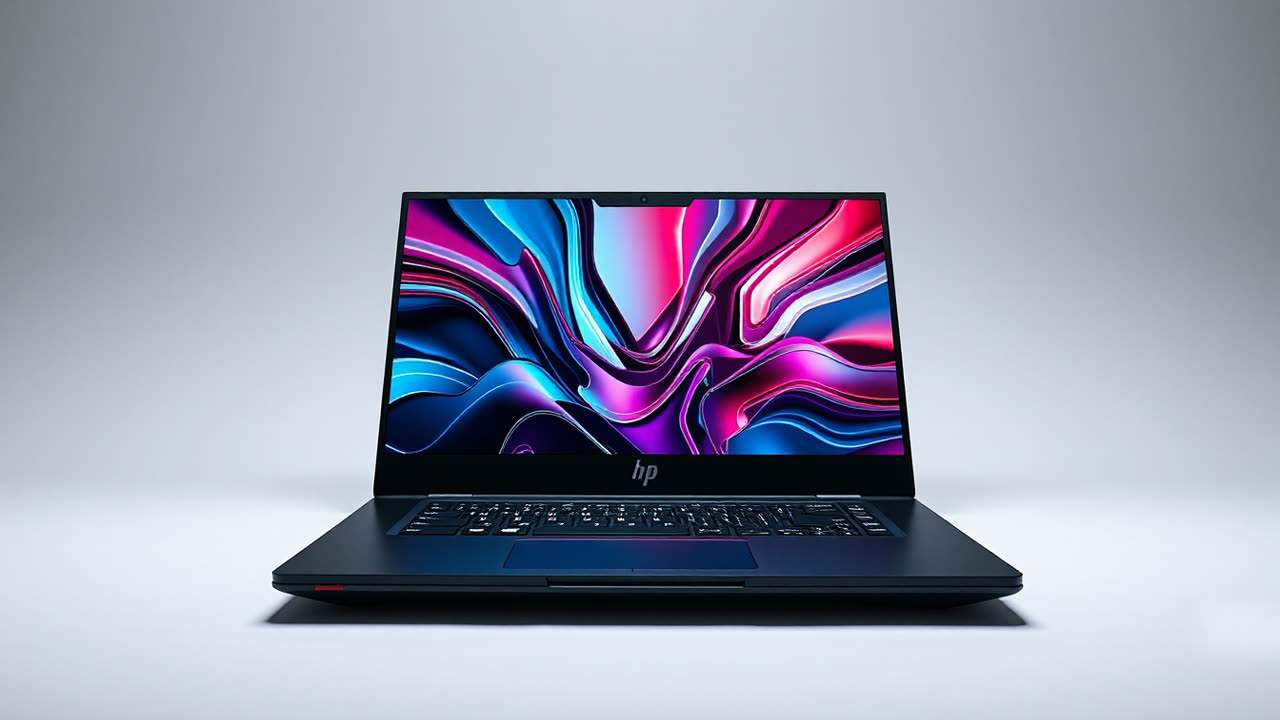
The latest HP Omen 15 iteration delivers formidable gaming performance, often leveraging high-refresh-rate OLED panels for stunning visuals, yet its appeal is undeniably tempered by evident cost-cutting measures that underscore a strategic pivot towards market segmentation. This particular model, frequently equipped with top-tier mobile GPUs like the NVIDIA GeForce RTX 4070 or even RTX 4080, paired with Intel's 13th or 14th Gen Core i7/i9 processors, can push frame rates well into the triple digits on demanding titles at 1080p or 1440p resolutions, making it a genuine contender for serious gamers. The OLED display, a standout feature, typically boasts vibrant colors with 100% DCI-P3 coverage, true blacks, and rapid response times, enhancing both gaming immersion and creative work. However, the pursuit of this performance and display quality at a competitive price point has necessitated compromises, primarily visible in the chassis construction, port selection, and peripheral features.
This strategic balancing act matters immensely for both the user and the broader gaming laptop industry, reflecting a growing tension between premium experiences and accessible pricing. For users, the Omen 15 presents a compelling value proposition: access to high-end gaming horsepower and a visually superior display without the exorbitant price tag of truly premium alternatives. This allows a wider audience to experience features once reserved for elite machines. However, the trade-off means living with a plastic chassis that might feel less robust than all-metal designs, a potentially underwhelming webcam, or a limited port array that necessitates dongles for certain peripherals. The impact on the industry is a clear signal that manufacturers are increasingly dissecting the gaming laptop experience, identifying core components that drive performance and visual fidelity, and then stripping away non-essential luxuries to hit specific price targets. This approach creates distinct tiers within the performance segment, allowing brands like HP to capture segments of the market that prioritize raw power and display quality over industrial design or extensive creature comforts.
Historically, HP's Omen series has occupied a strong mid-to-high-range position, offering solid performance. Earlier Omen 15 models, while competent, often featured IPS panels and more conservative designs. The transition to OLED marks a significant upgrade in visual experience, aligning with a broader industry trend where high-contrast, fast-response OLEDs are becoming more common in premium and prosumer laptops. In comparison to rivals, the Omen 15's approach to cost-cutting is not unique but its specific implementation can differentiate it. Competitors like Lenovo's Legion Pro series often maintain a more premium build quality and robust cooling solutions across their lineup, sometimes at a slightly higher price point or with less emphasis on OLED in their mainstream offerings. ASUS ROG Strix models might offer similar performance and even flashier RGB aesthetics but could also make similar compromises in build materials or battery life to keep costs down. Acer's Predator Helios series and Dell's G-series also compete directly, often focusing on raw power-to-dollar ratios, sometimes at the expense of display quality or design refinement. The Omen 15 distinguishes itself by bringing a high-quality OLED to a segment where it's still somewhat rare, even if other aspects are streamlined.
Looking ahead, the trajectory for gaming laptops like the Omen 15 suggests a continued refinement of this "performance-first, cost-conscious" strategy. We can expect future iterations to further optimize cooling systems to handle increasingly powerful CPUs and GPUs, perhaps adopting more advanced vapor chambers or larger fan designs without significantly increasing chassis thickness. The integration of AI-specific hardware, like dedicated NPUs in next-generation processors, will become standard, potentially enhancing gaming performance through upscaling technologies and improving overall system efficiency. OLED displays will likely become even more prevalent, with manufacturers pushing for higher refresh rates (e.g., 240Hz or 360Hz) and potentially more widespread adoption of variable refresh rate (VRR) technologies on these panels. However, the tension between cutting costs and delivering a premium experience will persist. HP and other manufacturers will continue to experiment with materials, port configurations, and software optimizations to find the optimal balance. The long-term outlook points to a market where "good enough" external features are increasingly accepted if they unlock "great" internal performance and display quality at an attractive price, solidifying the Omen 15's niche as a high-performance machine for the discerning gamer who prioritizes frames and pixels over premium feel in every aspect.