Human-Robot Cage Match Sparks Regulatory Crackdown in California
California regulators issued a cease-and-desist order and threatened charges against FightBot Inc. after a YouTuber fought its robots, highlighting novel safety and ethical challenges in human-robot combat.
✨ This content was summarized and interpreted by AI; it may contain errors — please verify accuracy with the original sources. Learn more
Listen to this story
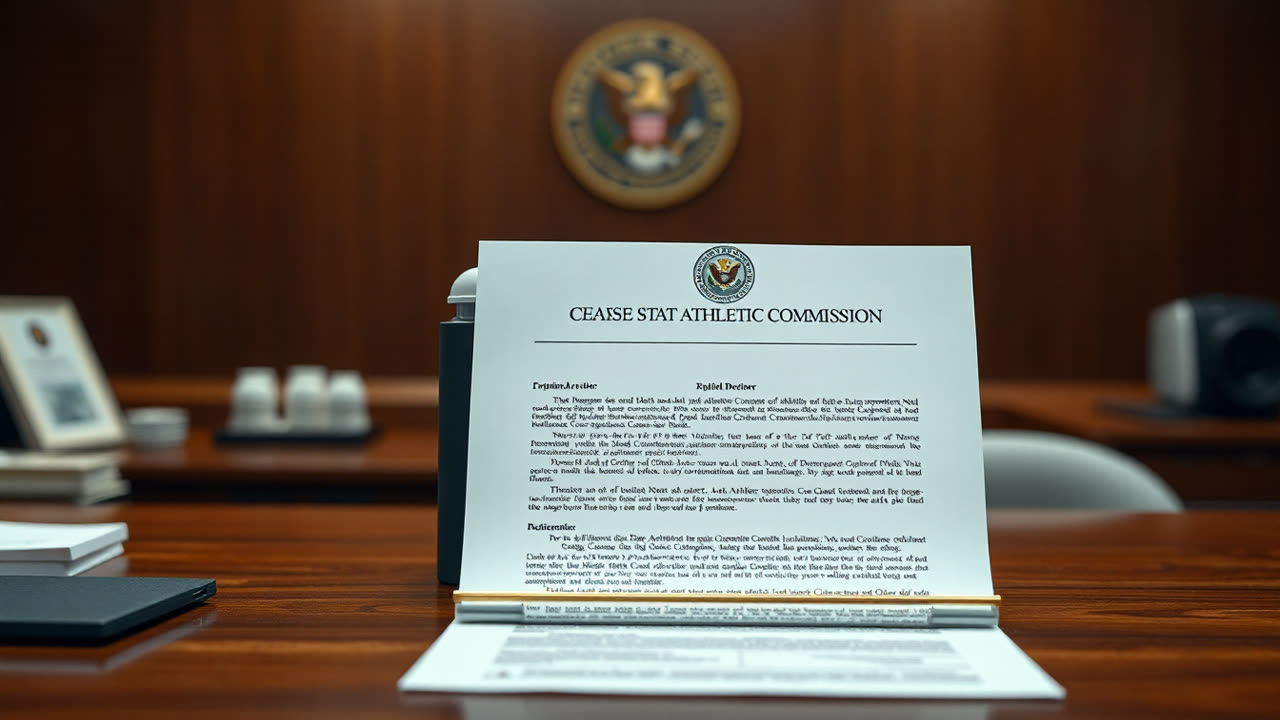
A robotics startup’s audacious human-versus-robot cage match, featuring YouTuber "Creator League," has ignited a fierce regulatory response from the California State Athletic Commission (CSAC), which issued a cease-and-desist order and threatened misdemeanor charges against FightBot Inc. for staging an "unlicensed fight." This unprecedented intervention underscores a critical juncture in the burgeoning field of robotics and entertainment, as regulators grapple with the novel ethical and safety implications of direct human-robot combat. The incident, which saw Creator League founder Alex Apollonov facing off against three of FightBot’s robotic humanoids in a video released on October 1, 2024, has drawn a sharp line in the sand, questioning the boundaries of spectacle, technological advancement, and human safety.
The CSAC’s swift action, citing California Business and Professions Code sections 18640 and 18646, which mandate state licensure for all professional and amateur combative sports, highlights a significant regulatory void. While the commission primarily oversees human-on-human athletic contests, the spectacle of a person engaging a potentially powerful machine in physical combat falls squarely into an uncharted regulatory territory. The core issue is not merely the absence of specific rules for human-robot fights, but the inherent dangers posed to the human participant. FightBot Inc. reportedly claimed their robots were "safely operated," but the CSAC’s concern about "misdemeanor charges for participating in or promoting an unlicensed fight" signals a serious view of the potential for harm, regardless of the company’s assurances. This regulatory crackdown could set a crucial precedent, forcing robotics companies and entertainment ventures to consider safety protocols and licensing requirements from the outset when developing interactive human-machine experiences.
This event transcends mere entertainment; it represents a pivotal moment for the robotics industry, forcing a reevaluation of public perception and responsible innovation. For years, robot combat has been a popular, albeit indirect, spectacle through events like *BattleBots* and *Robot Wars*, where machines battle machines, often controlled remotely. These shows, while thrilling, inherently separate human operators from direct physical harm. FightBot Inc.'s approach, however, pushes the envelope into direct human engagement, blurring the lines between sport, performance art, and potentially dangerous experimentation. The company, which specializes in large-scale combat robots and has a history of building machines for entertainment, now faces the challenge of navigating a regulatory environment ill-equipped for its ambitious vision. The incident also raises questions about the ethical responsibilities of content creators; while Apollonov’s video garnered significant attention, it also inadvertently highlighted a significant regulatory loophole and potential safety risk.
The long-term implications for users and the industry are profound. For users, the allure of human-robot combat could be immense, tapping into a primal fascination with overcoming technological adversaries. However, without robust safety standards and regulatory oversight, such entertainment risks devolving into dangerous exhibitions that could lead to serious injuries. The CSAC’s intervention serves as a stark reminder that the "wild west" era of technological experimentation, particularly involving human safety, is rapidly drawing to a close. For the robotics industry, this incident underscores the urgent need for proactive engagement with regulatory bodies. As robots become more sophisticated, powerful, and integrated into various aspects of human life, the potential for direct physical interaction, whether in sports, labor, or even personal assistance, increases dramatically. Companies developing advanced robotics must anticipate regulatory scrutiny and actively work towards establishing safety guidelines and ethical frameworks, rather than waiting for government intervention.
Looking ahead, the immediate future will likely see FightBot Inc. either cease such human-robot encounters or attempt to work with the CSAC to define a new class of regulated sport, a path fraught with legal and technical complexities. The broader outlook suggests that this incident will accelerate discussions around the creation of entirely new regulatory frameworks specifically designed for human-robot interactions, particularly in physically demanding or potentially hazardous contexts. This could involve stringent safety certifications for robots, mandatory human safety protocols, and even new definitions of "combatant" or "athlete" to encompass machine participants. The technological hurdles for robots to truly compete with humans in a fair, yet safe, combative sport are still substantial, requiring advancements in AI for autonomous decision-making, highly sophisticated sensor arrays for real-time threat assessment, and materials science for both durability and impact absorption. However, the regulatory response to this early foray into human-robot combat signals that the societal and legal frameworks will need to evolve just as rapidly as the technology itself, ensuring that innovation does not outpace the paramount concern for human well-being.