Hyundai Dealership Demands $400 for EV Charge, Exposing Public Charging Deception
A Detroit-area Hyundai dealership is demanding an exorbitant $400 fee to charge an electric vehicle, highlighting the widespread issue of deceptively listed 'public' charging stations at car dealerships.
✨ This content was summarized and interpreted by AI; it may contain errors — please verify accuracy with the original sources. Learn more
Listen to this story
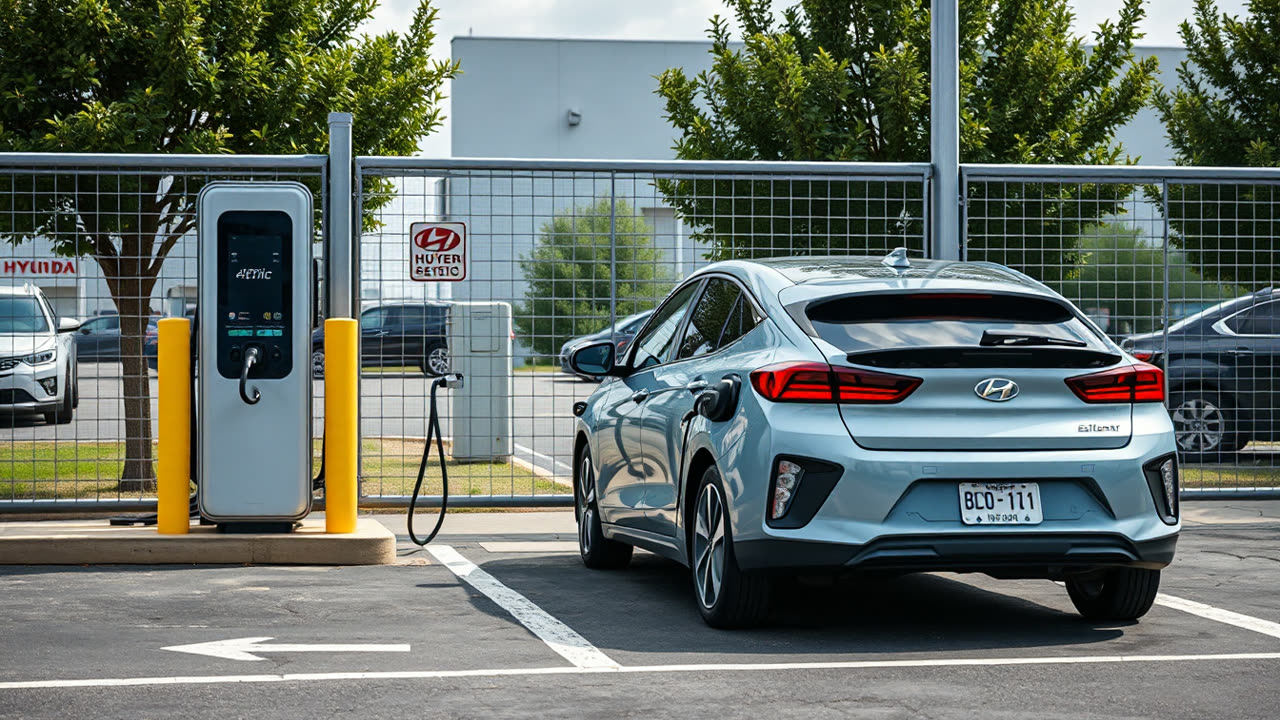
A Detroit-area Hyundai dealership is reportedly demanding an exorbitant $400 fee to charge an electric vehicle, spotlighting a critical and growing impediment to EV adoption: the deceptive nature of "public" charging infrastructure located at car dealerships. This egregious charge, coupled with the widespread inaccessibility of dealer-installed charging stations due to store hours, customer-only policies, and security measures, creates a significant barrier for EV owners seeking reliable power, ultimately undermining the very promise of widespread EV accessibility. The incident, described as drivers encountering "thousands" of such unavailable chargers, extends far beyond a single dealership, painting a picture of an industry grappling with the practicalities of a nascent charging ecosystem.
The core issue stems from the misclassification of these dealer-based chargers within popular EV charging apps. Often listed as "public," these stations frequently operate under restrictive conditions that render them effectively private. This disparity between advertised availability and real-world access creates frustration, range anxiety, and distrust among current and prospective EV owners. While dealerships are often incentivized or even mandated by manufacturers to install charging infrastructure as part of their transition to an EV sales model, the operational guidelines for these stations appear largely inconsistent or non-existent. This leads to scenarios where a driver, low on charge and relying on an app, arrives only to find a locked gate, a dealer unwilling to offer service without a purchase, or, in this extreme case, a prohibitive fee. Such practices directly contradict the spirit of expanding public charging networks, which are crucial for alleviating range anxiety and encouraging the shift away from internal combustion engines.
This problem is not isolated to Hyundai or the Detroit area. Across the United States, a significant portion of what appears to be "public" charging infrastructure is tied to private businesses, including dealerships, hotels, and retail centers, many of which impose restrictions that are not always clear on charging apps. While dedicated charging networks like Electrify America, EVgo, and ChargePoint have invested heavily in building purpose-built stations designed for 24/7 public access, the sheer volume of dealer-listed chargers often inflates the perceived availability of charging options. For instance, Electrify America, partly funded by Volkswagen's dieselgate settlement, has aggressively expanded its network, aiming for over 1,800 charging stations and 10,000 individual chargers across the U.S. and Canada by the end of 2026, offering transparent pricing and open access. In contrast, the dealer model, without clear regulatory oversight or standardized operational policies, risks becoming a liability rather than an asset to the broader EV charging ecosystem. The prior generation of charging infrastructure was even more nascent, often relying on early adopters' home chargers or limited pilot programs. The current situation, while improved in terms of sheer numbers, highlights a critical maturity gap in how "public" is defined and delivered.
The impact on EV adoption is profound. For new EV buyers, the charging experience is paramount. A single negative encounter with an inaccessible or extortionately priced charger can erode confidence in the EV ecosystem, potentially deterring future purchases or leading to dissatisfaction. This directly undermines the billions of dollars invested by governments and private companies in building out robust charging networks. The Biden administration, for example, has set ambitious goals for a national EV charging network, allocating significant funds through programs like the National Electric Vehicle Infrastructure (NEVI) Formula Program, emphasizing reliability and accessibility. Dealer practices that contradict these goals pose a direct threat to achieving widespread EV adoption targets. Furthermore, it creates an uneven playing field. While some dealers might genuinely offer charging as a customer service, others weaponize it, turning a necessity into a profit center or a sales tactic, rather than a community resource.
Looking ahead, a multi-faceted approach is urgently needed. Firstly, charging app providers must enhance their filtering capabilities to accurately reflect the true accessibility of dealer chargers, perhaps with user-reported access issues or mandatory dealer disclosures on operating hours and fees. Secondly, automotive manufacturers like Hyundai need to establish clear, enforceable guidelines for their dealerships regarding public access and pricing for charging stations installed with manufacturer support. This could involve mandating 24/7 access for a reasonable fee or even free of charge, especially for vehicles of their own brand. Thirdly, regulatory bodies, both at federal and state levels, should consider establishing clearer definitions and standards for "public" charging infrastructure, potentially tying incentives or certifications to guaranteed accessibility and transparent pricing. The current "Wild West" approach is unsustainable. Without these changes, the proliferation of nominally "public" but practically inaccessible dealer chargers will continue to be a significant drag on EV adoption, creating a chasm between the aspirational vision of an electrified future and the frustrating reality faced by many drivers today. The future of EV charging must prioritize reliability, transparency, and genuine public access over misleading availability numbers to truly accelerate the transition to sustainable transportation.