Hyundai's New 9-Passenger Electric Van Challenges Rivals with Superior Capacity
Hyundai has begun taking orders for its new nine-passenger electric van, priced from $66,500, directly challenging rivals like the Kia PV5 and Volkswagen ID. Buzz with significantly greater capacity in the expanding EV commercial and family transport sector.
✨ This content was summarized and interpreted by AI; it may contain errors — please verify accuracy with the original sources. Learn more
Listen to this story
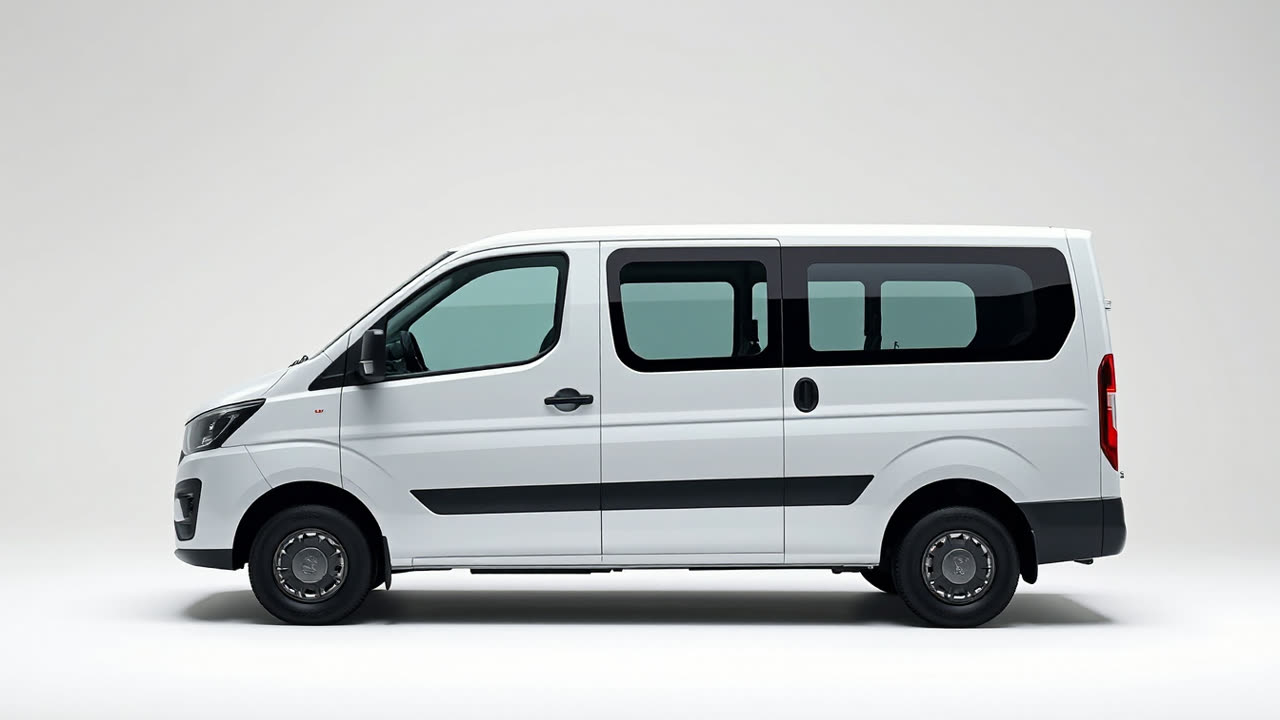
Hyundai has initiated orders for its latest electric van, priced from approximately $66,500, positioning a substantial nine-passenger vehicle into the burgeoning EV commercial and family transport sector. This strategic move introduces a compelling option that significantly outstrips key rivals like the Kia PV5 and Volkswagen ID. Buzz in sheer passenger capacity and physical footprint, signaling Hyundai's aggressive pursuit of dominance in the large electric vehicle market.
The new Hyundai electric van, while not yet officially named in all reports, is designed to cater to a broad spectrum of users, from large families requiring ample space to ride-sharing services and commercial shuttle operators. Its ability to accommodate nine occupants directly challenges the more compact offerings currently available. For instance, the Volkswagen ID. Buzz, a retro-styled electric van, typically offers seating for up to seven passengers in its long-wheelbase variant, with its standard version seating five. The Kia PV5, part of Kia's upcoming Purpose-Built Vehicle (PBV) lineup, is primarily showcased with configurations for five to seven passengers, emphasizing modularity for various commercial applications rather than maximum passenger density in its initial iterations. This size advantage is not merely about headcount; it translates into superior cargo volume when fewer seats are occupied, offering unparalleled flexibility for mixed-use scenarios, a critical consideration for commercial fleets.
Beyond seating capacity, the competitive landscape demands robust technical specifications. While exact battery capacities and ranges for the new Hyundai van are still emerging, industry expectations, given the $66,500 starting price, suggest a substantial battery pack likely offering a real-world range exceeding 250 miles on a single charge to be competitive. For comparison, the VW ID. Buzz offers a 77 kWh (net) battery, providing an estimated EPA range of 263 miles for the rear-wheel-drive variant. The Kia PV5, still in pre-production, is anticipated to feature a modular battery system, but specific figures are yet to be finalized. Hyundai's existing E-GMP platform, which underpins successful models like the Ioniq 5 and Ioniq 6, is known for its 800V architecture, enabling ultra-fast charging capabilities. It is highly probable that this new electric van will leverage similar technology, allowing for significant range replenishment in under 20 minutes at high-power DC fast chargers, a crucial factor for commercial operations where vehicle downtime directly impacts profitability.
The strategic significance of this launch extends far beyond direct competition. For users, the availability of a genuinely spacious, nine-passenger electric vehicle at this price point represents a new frontier in sustainable transport. Large families previously reliant on gasoline-powered full-size vans or SUVs now have a viable, environmentally conscious alternative that doesn't compromise on space or utility. For the ride-sharing and shuttle industry, the lower operating costs associated with electric vehicles—reduced fuel expenses, lower maintenance, and potential government incentives—can drastically improve profit margins, making the transition to electric fleets more attractive. The nine-passenger configuration is particularly appealing for airport transfers, corporate shuttles, and tourism, where maximizing passenger throughput per vehicle is paramount.
From an industry perspective, Hyundai's aggressive entry into this segment forces rivals to re-evaluate their large EV strategies. While Volkswagen has focused on a nostalgic, design-led approach with the ID. Buzz and Kia on modular, purpose-built platforms, Hyundai is directly addressing the demand for maximum utility and passenger volume in an electric format. This could spur further innovation in battery density, charging infrastructure, and interior modularity across the sector. Moreover, it underscores the broader trend of electrification moving beyond passenger cars into every vehicle category, with commercial vehicles being a critical next battleground due to their high mileage and potential for significant emissions reductions.
Looking ahead, the success of Hyundai's new electric van will hinge on several factors. Initial demand appears strong, but long-term adoption will depend on the real-world performance, durability, and total cost of ownership, especially for commercial operators. The expansion of charging infrastructure remains a key enabler, as large electric vans require reliable and accessible charging points, particularly in urban and commercial hubs. Hyundai's established reputation for robust warranty programs and growing EV service networks will be advantageous. Expect to see further specialization in this segment, with manufacturers exploring various seating configurations, cargo solutions, and perhaps even autonomous driving capabilities tailored for shuttle and delivery services. Hyundai's early and decisive move into the large electric van space positions it as a frontrunner, potentially setting a new benchmark for what consumers and businesses can expect from electrified multi-passenger transport in the years to come.