Hyundai to Launch New D-Segment Electric SUV Above IONIQ 5
Hyundai is expanding its IONIQ electric vehicle lineup with a new global D-segment electric SUV, strategically positioned above the IONIQ 5, targeting the mid-size electric SUV market with enhanced space and performance.
✨ This content was summarized and interpreted by AI; it may contain errors — please verify accuracy with the original sources. Learn more
Listen to this story
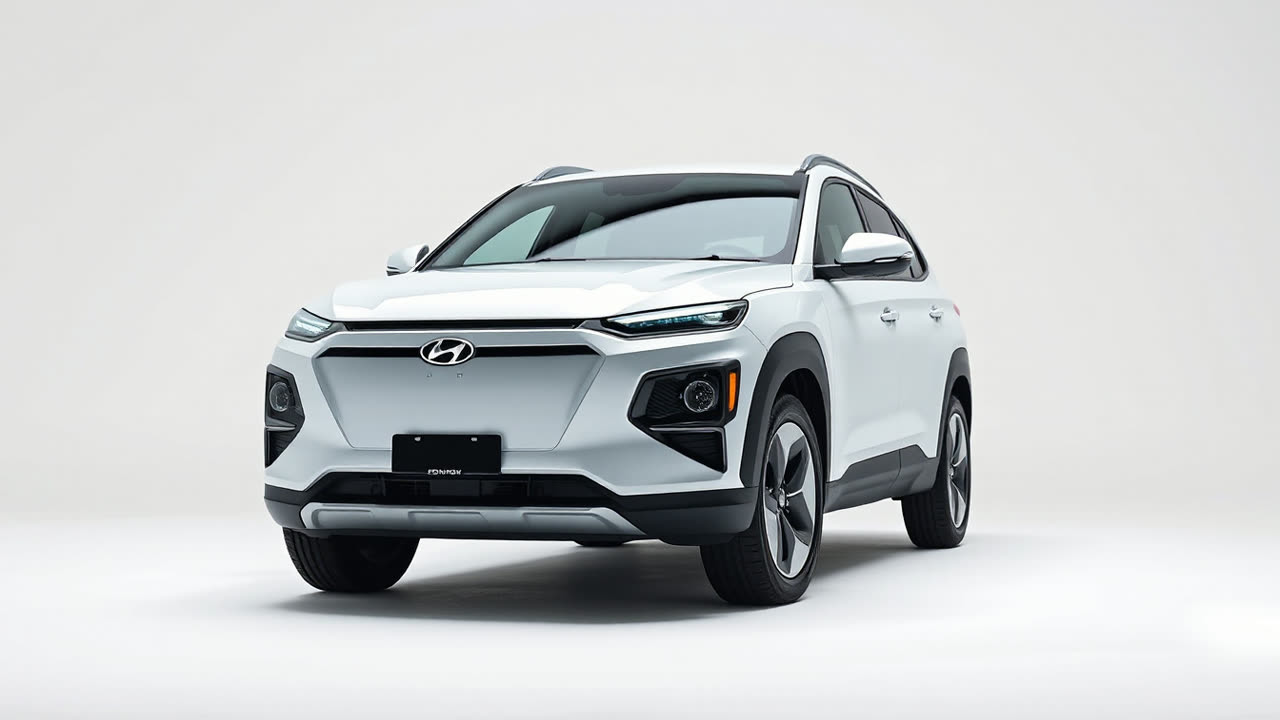
Hyundai is poised to expand its highly successful IONIQ electric vehicle lineup with the introduction of a new global D-segment electric SUV, positioned strategically above the popular IONIQ 5, signaling a significant push into the burgeoning mid-size electric SUV market. This yet-to-be-named model, distinct from the larger, three-row IONIQ 7 expected to arrive later, aims to bridge the gap between Hyundai's compact crossover and its full-size offerings, targeting a sweet spot for family-oriented buyers seeking more space and potentially enhanced performance without the premium footprint of a truly massive SUV.
The strategic importance of this D-segment SUV cannot be overstated for Hyundai. The IONIQ 5, built on the E-GMP platform, has garnered critical acclaim for its distinctive retro-futuristic design, 800V ultra-fast charging capability, and competitive range, selling over 100,000 units globally in 2023 alone. However, some consumers found its interior space, particularly the cargo area, to be slightly restrictive for larger families or those requiring more utility than a compact crossover provides. This new D-segment SUV directly addresses that feedback, offering increased cabin volume, potentially a more generous trunk capacity, and likely a longer wheelbase than the IONIQ 5's 3,000 mm, translating into superior rear-seat legroom. By leveraging the flexible E-GMP architecture, Hyundai can scale up battery capacity, potentially offering ranges exceeding 500 kilometers on the WLTP cycle, and integrate more powerful dual-motor configurations, pushing performance metrics beyond the IONIQ 5's current maximum of around 320 horsepower. This incremental step up in size and capability is crucial for retaining existing IONIQ 5 owners looking to upgrade, while also attracting new customers who found the IONIQ 5 just shy of their spatial requirements.
From an industry perspective, this D-segment entry intensifies competition in one of the most hotly contested segments of the automotive market, now rapidly electrifying. Rivals such as the Tesla Model Y, Ford Mustang Mach-E, Volkswagen ID.4, and Kia EV6 already dominate this space, with new entrants like the Chevrolet Equinox EV and upcoming Peugeot e-3008 also vying for market share. Hyundai's advantage lies in its proven E-GMP platform, which offers superior charging speeds compared to many competitors using 400V architectures. While the Model Y offers compelling performance and range, and the Mach-E boasts a sporty driving dynamic, Hyundai's new SUV could differentiate itself with a combination of unique design, advanced driver-assistance systems (ADAS) potentially incorporating Level 3 autonomous capabilities, and a focus on interior comfort and sustainable materials, building on the IONIQ brand's established identity. The pricing will be critical; positioning it competitively against the higher trims of the Model Y and the upper range of the EV6, likely starting in the mid-$50,000s, will determine its market penetration.
Looking ahead, this D-segment SUV is a foundational piece in Hyundai's ambitious electrification strategy. The company aims for 1.87 million annual EV sales globally by 2030, with 17 new battery electric vehicle (BEV) models across its Hyundai, Genesis, and Kia brands. This new model ensures Hyundai has a strong offering in every major SUV segment, from the compact IONIQ 5 to the mid-size newcomer, and eventually the large IONIQ 7. The consistent application of the E-GMP platform across these models allows for economies of scale in manufacturing and R&D, streamlining production and accelerating technological advancements like improved battery energy density and more efficient powertrains. Furthermore, it paves the way for potential software-defined vehicle (SDV) capabilities, enabling over-the-air updates for new features and performance enhancements, a crucial aspect of modern EV ownership. The success of this D-segment SUV will not only boost Hyundai's immediate sales figures but also solidify its reputation as a leading innovator in the electric vehicle space, providing a robust portfolio that can adapt to evolving consumer demands for space, range, and advanced technology. The market can anticipate a full reveal within the next 12-18 months, with production likely commencing in late 2027 or early 2028, setting the stage for a new wave of electric mobility from the Korean automaker.