IBM's Next-Gen Mainframe AI Processor Integrates ARM and z/Architecture on 2nm Node
IBM's next-generation mainframe AI processor features a groundbreaking first dual-ISA core, natively executing both z/Architecture and ARM instructions, all built on a cutting-edge 2nm process node with all 11 cores running at an impressive 5.7 GHz base frequency.
✨ This content was summarized and interpreted by AI; it may contain errors — please verify accuracy with the original sources. Learn more
Listen to this story
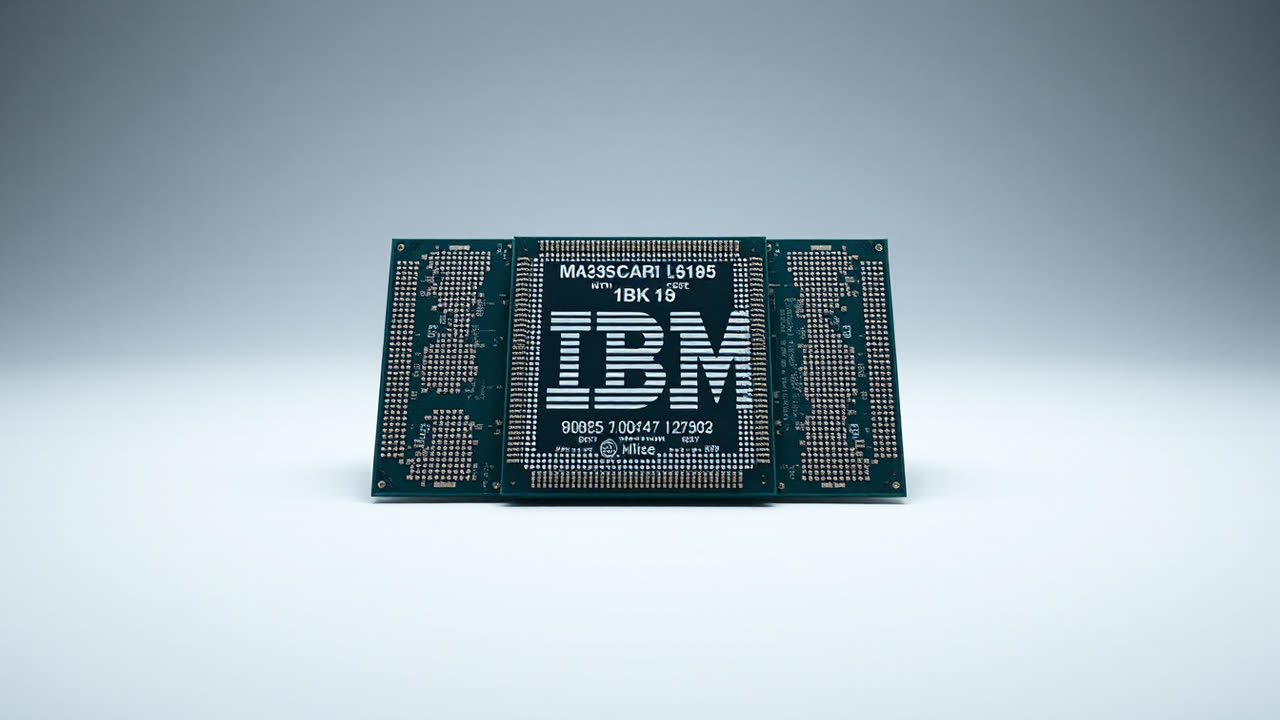
IBM's next-generation mainframe AI processor, featuring its groundbreaking first dual-ISA core, will natively execute both z/Architecture and ARM instructions, with all 11 cores running at an impressive 5.7 GHz base frequency, all built on a cutting-edge 2nm process node. This represents a seismic shift for IBM's venerable mainframe platform, traditionally a bastion of proprietary z/Architecture, by fundamentally altering its computational flexibility and significantly expanding its software ecosystem. The native integration of ARM, a ubiquitous architecture driving everything from edge devices to cloud servers, within the same core as IBM's enterprise-grade z/Architecture is not merely an engineering feat but a strategic pivot designed to bridge the mainframe's unparalleled reliability and security with the agility and vast developer community of the ARM world.
The core news signifies a profound evolution from the prior z16 generation, which introduced the Telum processor on a 7nm node, primarily focused on AI inferencing directly within transactions. While Telum offered a significant leap in AI capabilities with dedicated on-chip accelerators for real-time fraud detection and other mission-critical workloads, it remained firmly within the z/Architecture paradigm. This new dual-ISA core goes further, allowing organizations to leverage the vast array of ARM-native software, tools, and open-source projects directly on the mainframe without emulation layers or virtualized environments that introduce performance overhead. For users, this means a dramatic reduction in the complexity and cost associated with integrating mainframe data and applications with modern, distributed ARM-based systems. It enables hybrid cloud strategies where workloads can seamlessly migrate or interact between mainframe and public cloud environments, many of which increasingly run on ARM-based instances, thereby unlocking new efficiencies and application development paradigms.
The implications for the industry are multifaceted. IBM is not just refreshing hardware; it's redefining the mainframe's role in the modern enterprise. By embracing ARM, IBM directly addresses criticisms regarding the mainframe's perceived proprietary nature and its steeper learning curve for developers accustomed to more open ecosystems. This move positions the mainframe not as a legacy system but as a highly adaptable, secure, and performant hub capable of running diverse workloads, from traditional transactional processing to advanced AI, machine learning, and cloud-native applications written for ARM. The 5.7 GHz base frequency across all 11 cores, coupled with the 2nm process node, underscores IBM's continued commitment to raw processing power and energy efficiency, vital for handling massive data volumes and complex AI models. This level of performance, particularly for AI workloads, is critical for real-time analytics and decision-making in financial services, healthcare, and government sectors, where mainframes continue to be indispensable.
Comparing it to rivals, while companies like Intel and AMD dominate the x86 server market, and cloud giants like Amazon (with Graviton) have invested heavily in custom ARM silicon for their data centers, IBM's approach is unique. No other major enterprise server vendor offers native, simultaneous execution of two distinct, high-performance ISAs within the same core. This provides IBM a distinct advantage in hybrid environments where customers need to consolidate diverse workloads or modernize existing applications without fully refactoring them. The 2nm node fabrication also places IBM at the forefront of semiconductor technology, potentially offering significant power, performance, and density advantages over current mainstream server processors. While specific benchmarks are yet to be released, the combination of high clock speed, advanced node, and dual-ISA capability hints at a system designed for unparalleled workload consolidation and flexibility.
Looking ahead, this dual-ISA core is a foundational step towards an even more integrated and intelligent mainframe ecosystem. We can expect to see a rapid expansion of ARM-native software availability and optimization for IBM's mainframes, driven by both IBM's own efforts and the broader developer community. The focus on AI processing will likely intensify, with future iterations potentially integrating more specialized AI accelerators or advanced memory architectures to handle increasingly complex neural networks. This strategic shift could also pave the way for closer integration with IBM's hybrid cloud offerings, allowing enterprises to seamlessly burst mainframe workloads to public cloud ARM instances or leverage cloud-native services to augment mainframe capabilities. Ultimately, IBM is not just modernizing its mainframe; it is repositioning it as a central, highly flexible, and future-proof compute platform for the era of pervasive AI and hybrid cloud, ensuring its continued relevance in an increasingly diverse and demanding IT landscape.