Illinois Enacts Groundbreaking E-Bike Law: 40 MPH Speeds Legalized, But Requires Registration and License Plates
Illinois's new law permits high-speed e-bikes up to 40 mph on public streets, a significant increase from federal limits, but mandates state registration, license plates, and potentially operator licensing, reclassifying them akin to mopeds.
✨ This content was summarized and interpreted by AI; it may contain errors — please verify accuracy with the original sources. Learn more
Listen to this story
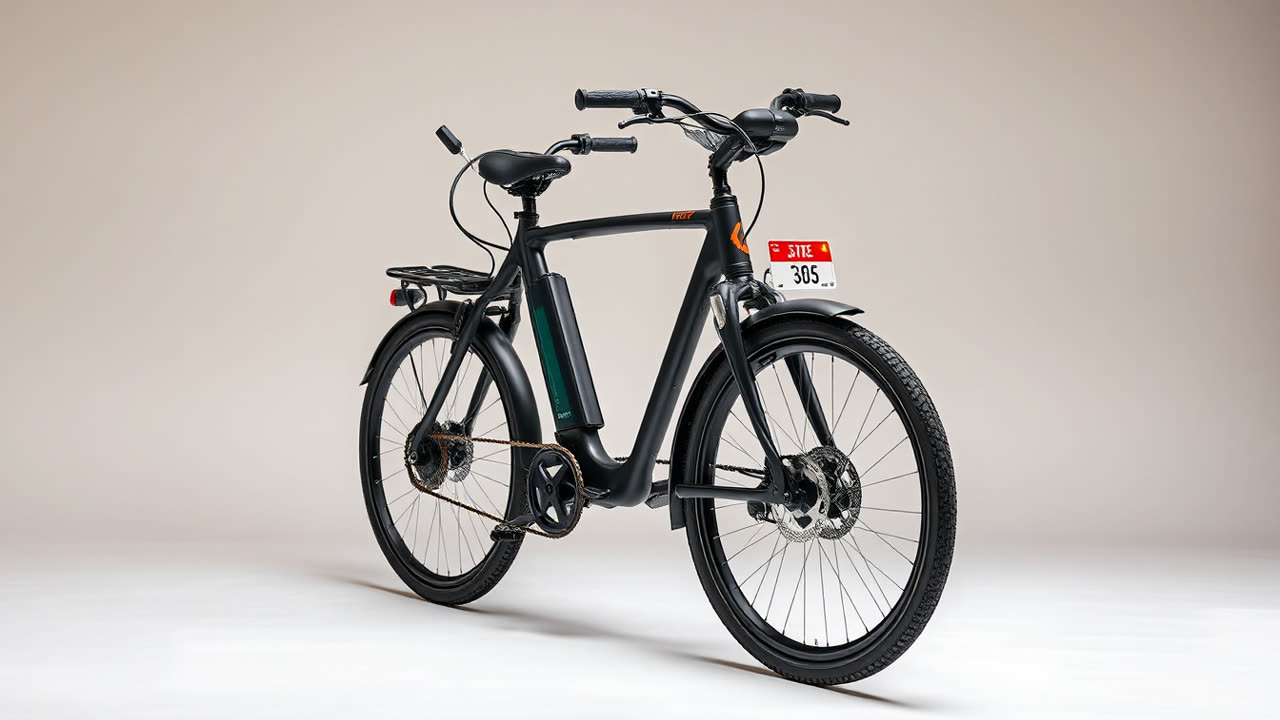
Illinois has enacted a groundbreaking electric bicycle law, effective immediately, that permits e-bikes capable of speeds up to 40 mph on public streets, a significant departure from the previous 20 mph federal limit for most classes, yet this progressive move comes with a substantial caveat: these high-speed machines will now require state registration, license plates, and potentially operator licensing, effectively reclassifying them akin to mopeds or motorcycles. This legislative shift, signed into law by Governor J.B. Pritzker, addresses a burgeoning market of increasingly powerful e-bikes that previously existed in a regulatory gray area, often exceeding the established Class 3 e-bike definition of 28 mph pedal-assist and lacking clear legal standing for street use.
The immediate impact on users is bifurcated: while owners of existing high-speed e-bikes gain legal clarity and the freedom to ride on roads, they also face new bureaucratic hurdles and costs. The requirement for registration and a license plate, a first for e-bikes in a major U.S. state, introduces an administrative burden and an annual fee that did not previously exist for any e-bike class. Furthermore, depending on the specific horsepower or motor output thresholds that trigger this reclassification, some riders may also be compelled to obtain a motorcycle endorsement on their driver's license, adding a layer of complexity and training requirements. This could deter some potential buyers, particularly those drawn to e-bikes for their simplicity and the absence of traditional motor vehicle regulations. Conversely, it provides a clear legal framework for enforcement, potentially increasing safety by ensuring these faster vehicles are identifiable and their operators are accountable.
For the e-bike industry, Illinois's new law represents both a challenge and a potential template for future regulation. Manufacturers of powerful e-bikes, often marketed as "s-pedelecs" or "speed bikes" in European markets, now have a defined legal pathway for their products in Illinois, potentially opening up a new segment of the U.S. market. However, the added registration and licensing requirements could lead to a dip in sales for these specific high-performance models within the state, as the convenience factor – a major draw for e-bikes – is diminished. This could also prompt a re-evaluation of product development, potentially encouraging manufacturers to focus on models that fall just under the new registration thresholds to maintain broader market appeal. The law also highlights a growing divergence in state-level e-bike legislation, moving beyond the widely adopted three-class system that categorizes e-bikes by top speed and pedal-assist functionality, which has been crucial for industry standardization and consumer understanding.
Previously, Illinois, like many other states, largely adhered to the federal guidance that classifies e-bikes based on motor output and top speed, typically allowing Class 1 (20 mph pedal-assist), Class 2 (20 mph throttle), and Class 3 (28 mph pedal-assist) e-bikes on bicycle infrastructure with varying restrictions. The new legislation specifically targets those e-bikes exceeding these traditional classifications, acknowledging their distinct operational characteristics and potential for higher speeds in mixed traffic. This contrasts with states like California and New York, which have largely stuck to the three-class system, albeit with their own nuances regarding where each class can operate. Illinois's move to regulate faster e-bikes more akin to motor vehicles is a significant departure and could be seen as an early indicator of how other states might grapple with the increasing prevalence of high-powered personal electric vehicles.
Looking ahead, Illinois's pioneering stance on high-speed e-bike regulation will undoubtedly be watched closely by other state legislatures and urban planning departments. There is a strong possibility that this framework could inspire similar legislation in states struggling to integrate faster e-bikes into existing traffic laws, particularly as e-bike technology continues to advance, pushing speed and power envelopes. This could lead to a patchwork of state-specific regulations, complicating national sales and increasing the burden on manufacturers to comply with diverse requirements. On the user side, the long-term success of this law will hinge on public perception and compliance. If the registration process proves too cumbersome or the associated costs too high, it could foster a black market for unregistered high-speed e-bikes or push riders towards models that stay within the traditional Class 3 limits. Conversely, if it leads to greater safety, clearer road rules, and better integration of these vehicles into urban mobility, it could set a precedent for a more nuanced and responsible approach to regulating the rapidly evolving landscape of personal electric transport. The ultimate outcome will likely shape the future trajectory of high-performance e-bike adoption and regulation across the United States.