Inmo Air3 Smart Glasses Recalled Over Overheating Hazard
Inmo Air3 smart glasses have been recalled due to a critical safety defect where the left temple can overheat during extended use, posing a risk of serious injury or death from burns.
✨ This content was summarized and interpreted by AI; it may contain errors — please verify accuracy with the original sources. Learn more
Listen to this story
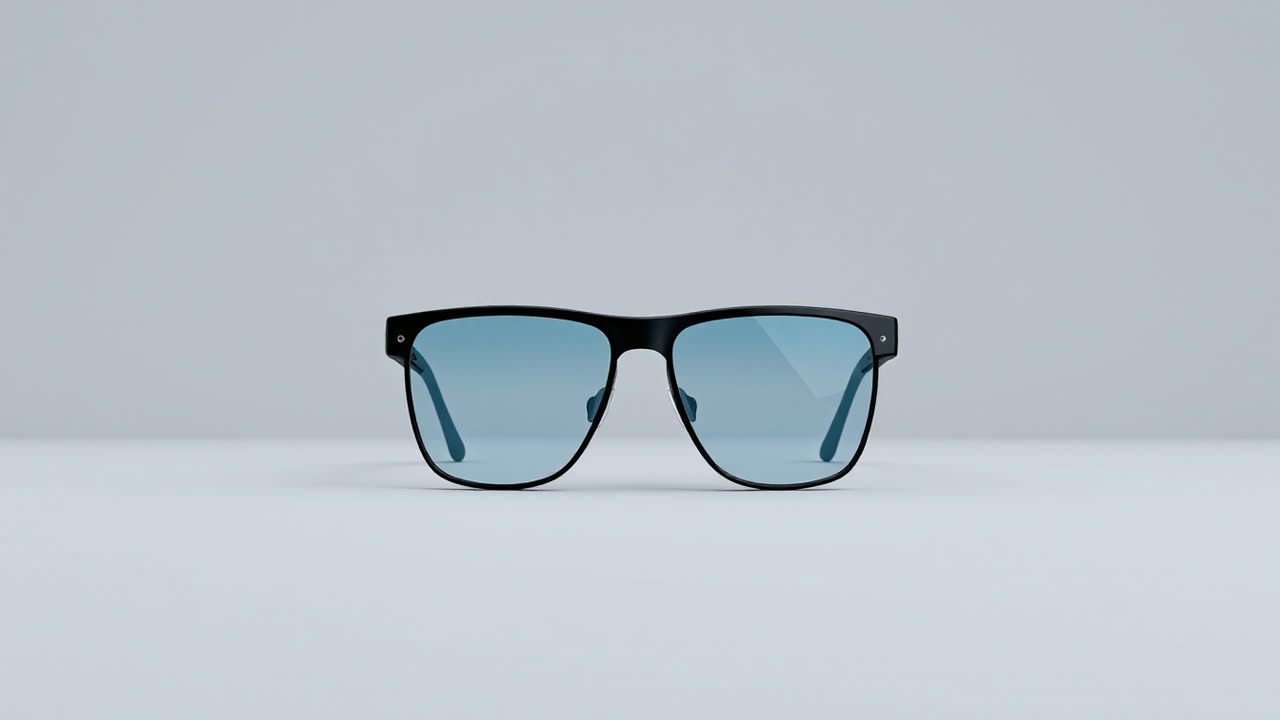
The Inmo Air3 smart glasses, a product positioned for AI translation, productivity, and media streaming, have been recalled due to a critical safety defect where the left temple can overheat during extended use, posing a risk of serious injury or death from burns. This urgent recall, issued jointly by Health Canada and the U.S. Consumer Product Safety Commission (CPSC) in September 2026, affects approximately 1,643 units sold in the United States and 120 units in Canada between December 2025 and August 2026, with prices ranging from $900 to $1,300. To date, Inmo International Technology Limited has received 10 reports of overheating incidents in the U.S., including sensations of burning to the face and left ear, though no injuries have been reported in Canada. Consumers are advised to immediately cease using the smart glasses and update the product firmware to version 3.16 to address the hazard.
This recall is far more than a routine product correction; it represents a significant setback for Inmo and casts a shadow over the burgeoning smart glasses market, which has seen remarkable growth. The global smart glasses market, valued at $2.5 billion in 2025, is projected to reach $3.2 billion in 2026 and surge to $14.4 billion by 2033, driven by the adoption of augmented reality (AR) and artificial intelligence (AI) technologies. Shipments of AI smart glasses alone increased by 263% year-over-year in the first half of 2026. However, incidents like the Inmo Air3 recall erode consumer trust, which is particularly fragile in emerging technology sectors. Product recalls inherently challenge a brand's competence and can lead to decreased sales, shifts in market share, and long-term reputational damage. For Inmo, a company that positions itself as a pioneer in wireless AR and AI smart glasses, having launched the Air3 as its "world's first 1080P all-in-one AR glasses" with a 16MP camera, 3DoF smart ring interaction, and Google app support, this safety lapse is a severe blow. The company, founded in 2020 by former Coolpad executive Yang Longsheng, has historically focused on lightweight, everyday-wearable AR glasses across its Air, Go, and X series, aiming to create the "next generation mobile terminal after smartphones" in the metaverse era.
The overheating issue directly impacts user safety, a paramount concern that could stifle broader adoption of smart glasses. Unlike many rivals focusing on audio-only AI or basic camera functions, the Inmo Air3 offered a full-color, 1080p Micro OLED display with a 36-degree field of view, aiming for immersive experiences like media consumption and AI-assisted productivity. This positions it in a more advanced category than many "display-less" smart glasses that currently dominate the market, such as Meta's Ray-Ban models, which hold a significant 94% market share in AI smart glasses and prioritize camera and AI assistance. While Meta's offerings focus on discreet integration with AI assistants and open-ear audio, devices like the XREAL One prioritize AR display clarity with a 1080p per eye resolution and a 50-degree field of view. The Inmo Air3 sought to bridge the gap between minimalist AI glasses and more robust AR displays, but its technical ambition has been undermined by a fundamental hardware safety failure. This contrasts sharply with competitors that have focused on more mature and tested components, or those that have scaled back on complex display features to prioritize reliability and battery life. For instance, the Rokid AI Glasses offer similar features to Meta Ray-Bans but have faced criticism for slower AI response times, yet no widespread safety recalls have been reported for overheating. The recall underscores the inherent challenges in miniaturizing powerful computing components into a wearable form factor, where thermal management becomes a critical engineering hurdle.
Looking ahead, Inmo faces a difficult path to regaining consumer confidence. The provision of a firmware update as a "free repair" is a crucial immediate step, but the long-term impact on brand perception and future sales cannot be understated. This incident could prompt more rigorous testing protocols across the smart glasses industry, particularly for devices that integrate advanced display and processing capabilities into lightweight frames. Regulators, including the CPSC, may intensify scrutiny of thermal management and battery safety in wearable electronics, potentially leading to new industry standards. For consumers, the recall serves as a stark reminder that early adoption of innovative tech carries inherent risks, especially as companies push the boundaries of miniaturization and performance. While the smart glasses market is expected to continue its robust growth, with a CAGR of 24.2% from 2026 to 2033, this incident highlights the imperative for manufacturers to prioritize safety and reliability above all else. Companies that can demonstrate a strong commitment to product safety and transparently address issues will be better positioned to capture market share in a landscape where consumer trust is increasingly paramount.