Innovative HoverAir Versa Drone Grounded in US by Regulatory Ban
The HoverAir Versa, a groundbreaking modular drone designed to transform from a compact steadycam into a propeller-winged aerial device, has abruptly halted all US orders just three days after its Indiegogo campaign launched, falling victim to what appears to be recurring US regulatory hurdles for drones.
✨ This content was summarized and interpreted by AI; it may contain errors — please verify accuracy with the original sources. Learn more
Listen to this story
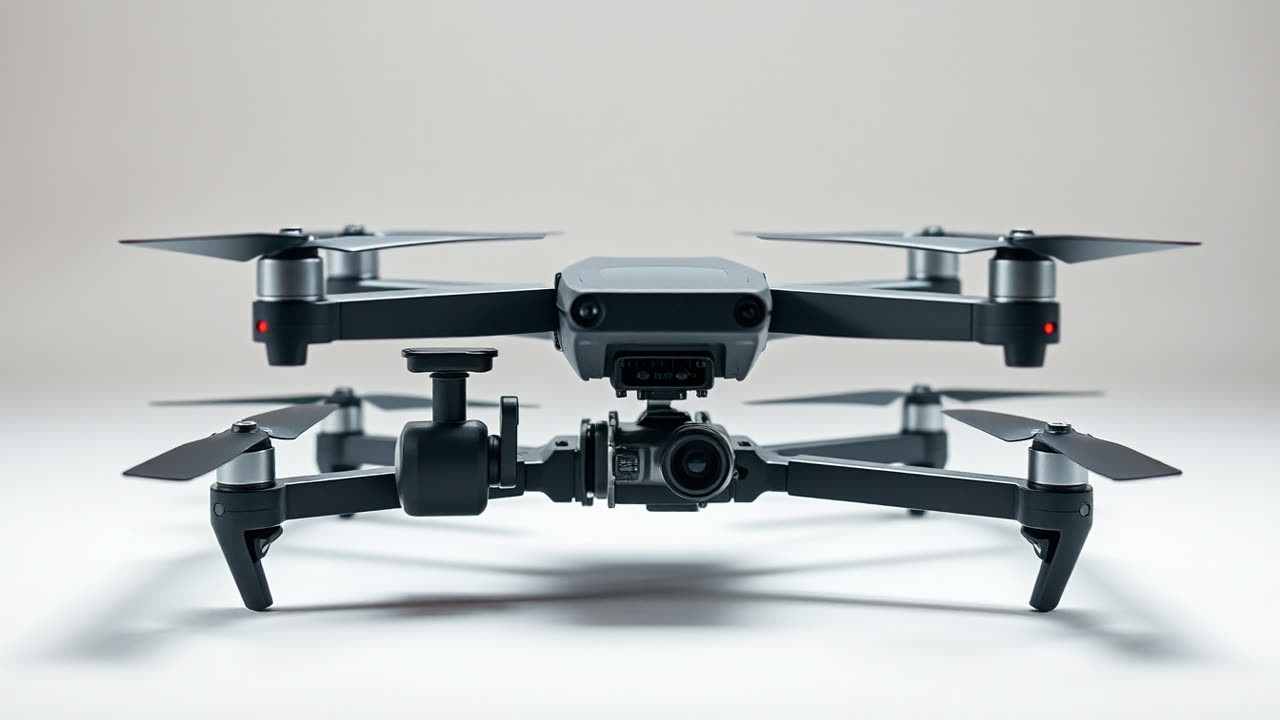
The HoverAir Versa, a groundbreaking modular drone designed to transform from a compact steadycam into a propeller-winged aerial device, has abruptly halted all US orders just three days after its Indiegogo campaign launched, falling victim to what appears to be recurring US regulatory hurdles for drones. This sudden cessation, confirmed by the company and widely reported, underscores the increasingly complex and often opaque regulatory environment facing innovative drone manufacturers, particularly those with ties to certain foreign entities. The Versa’s unique selling proposition — a handheld camera that can sprout wings and take flight, offering both ground-level stability and aerial perspectives — represented a significant leap in portable, versatile content creation tools. Its initial pricing, starting at around $299 for early bird backers, positioned it as an accessible option for vloggers, travelers, and casual users seeking a dual-purpose device without the bulk of traditional drones or dedicated gimbals.
The immediate impact on US consumers is a frustrating denial of access to a promising piece of technology. Gadget enthusiasts and creators who eagerly backed the Versa's campaign or followed its development are now left without the device, highlighting the unpredictable nature of pre-order campaigns for products navigating a fraught regulatory landscape. Beyond individual users, this incident sends a chilling message to the broader drone industry and tech innovators. HoverAir, an offshoot of Zero Zero Robotics, a company known for its earlier compact drones like the Hover Camera Passport and the V-Coptr Falcon, has consistently pushed boundaries in drone design and portability. The Versa's innovative modularity, allowing users to snap on propeller arms to its "baby steadycam" core, aimed to bridge the gap between ground-based stabilization and aerial imaging, offering unprecedented flexibility. This design philosophy, however, appears to have collided with an increasingly stringent interpretation of US import and operational regulations, which many speculate are aimed at preventing the proliferation of drones and related components from specific countries, primarily China.
While the exact nature of the "FCC drone ban" that "struck again" remains somewhat ambiguous in public statements, it is widely understood to be part of a broader, evolving US government strategy to restrict or ban drones and components manufactured by companies perceived as national security risks. This often involves agencies beyond just the FCC, including the Department of Commerce or even legislative actions. The FCC's primary role is typically in regulating radio frequency emissions and spectrum use, ensuring devices operate without interference and meet safety standards. However, if a device's components or manufacturing origin trigger broader US import restrictions, FCC certification for radio operation becomes moot. This environment has already seen several Chinese-made drones face significant hurdles or outright bans from government use, and increasingly, concerns are extending to the consumer market. For instance, the proposed "Countering CCP Drones Act" and similar legislative efforts aim to further restrict the sale and operation of drones from designated adversarial nations, reflecting a bipartisan concern over data security and potential espionage.
The HoverAir Versa's predicament draws parallels to previous instances where promising drone technologies have faced regulatory roadblocks in the US, especially those from Chinese manufacturers. DJI, the dominant player in the consumer drone market, has long navigated these tensions, with its drones facing varying levels of restriction for government and critical infrastructure use, despite their widespread consumer adoption. Unlike DJI, which is a global behemoth, HoverAir operates in a more niche, innovative space, making it potentially more vulnerable to regulatory shifts. The Versa’s closest rivals in terms of portability and ease of use might include compact DJI Mini series drones or other small camera gimbals like the DJI Osmo Pocket, but none offer the Versa's unique transforming capability. This innovative aspect, however, seems to have been insufficient to overcome the prevailing regulatory headwinds.
Looking ahead, the halting of HoverAir Versa US orders signals a continued tightening of the US drone market, particularly for foreign-made products, especially from China. This trend could foster a nascent domestic drone manufacturing industry, albeit one that struggles to compete on price and scale initially. For HoverAir, the immediate future in the US market appears bleak, forcing the company to either significantly re-engineer its product with US-sourced components or withdraw from the market entirely, focusing on regions with less restrictive regulations. This incident could also push other innovative drone startups to reconsider their market entry strategies for the US, potentially stifling global technological convergence and limiting consumer choice. The long-term outlook suggests a bifurcated global drone market: one where highly innovative, often foreign-made, devices thrive in more open regulatory environments, and another, more restricted, US market where national security concerns increasingly dictate product availability, potentially at the cost of cutting-edge innovation and competitive pricing for consumers.