Intel Confirms Significant Price Hikes Across CPU Lineups, Some Xeons Over $1,000 More Expensive
Intel attributes substantial price increases on consumer and server CPUs, including newly launched Core Ultra 200S Plus and high-end Xeon chips, to market dynamics, rising supply chain costs, and soaring demand, especially from the AI sector.
✨ This content was summarized and interpreted by AI; it may contain errors — please verify accuracy with the original sources. Learn more
Listen to this story
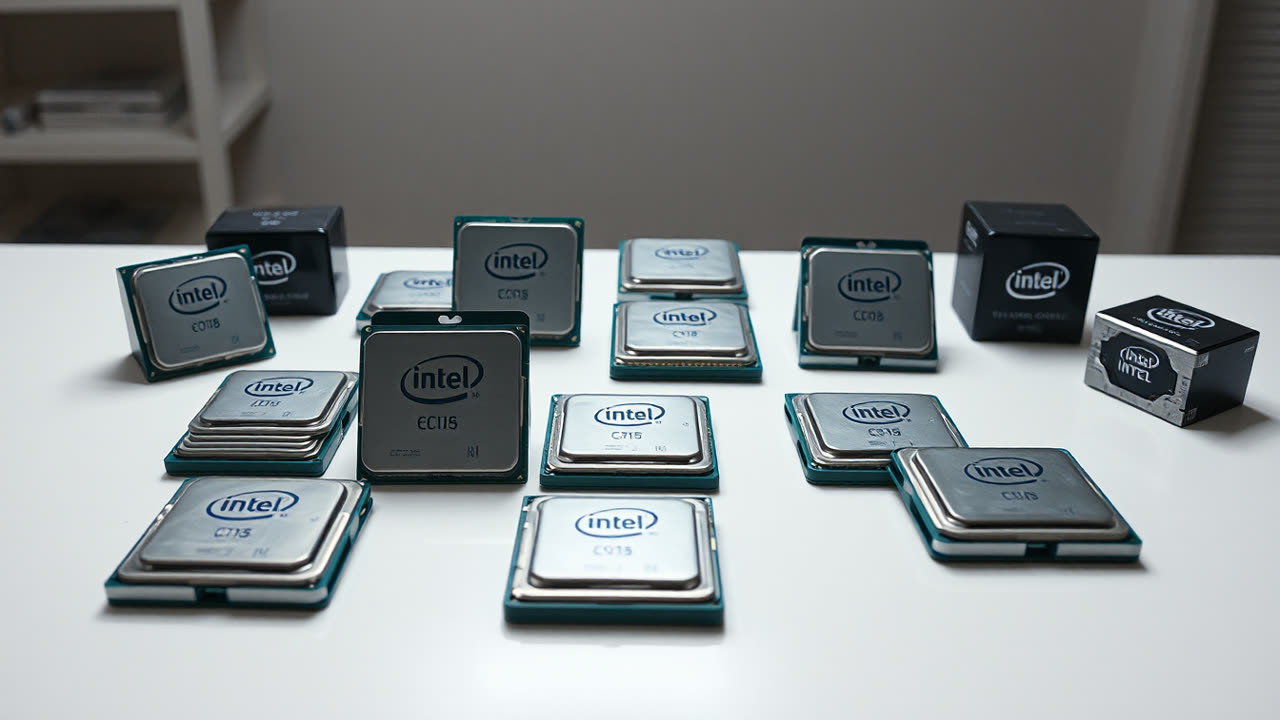
Intel has confirmed significant price increases across its consumer and server CPU lineups, with select Xeon processors now costing over $1,000 more than before. The company attributed these substantial adjustments to a confluence of "market dynamics, rising supply chain costs, and soaring demand" for its products, particularly from the burgeoning AI sector.
For consumers, the recently launched Core Ultra 200S Plus series, including the Core Ultra 7 270K Plus and Core Ultra 5 250K Plus, will see price hikes ranging from $30 to $50. These chips, which utilize TSMC silicon, were initially praised for their competitive performance-per-dollar. Intel acknowledged this strong demand, but the increment narrows their price advantage against AMD's Ryzen 9000 series, potentially shifting the competitive landscape in the desktop market. While retail prices have yet to fully reflect these official increases, they are anticipated to follow suit.
The impact on the server segment is even more pronounced. Higher-end Xeon 6 'Granite Rapids' CPUs are now "twofold higher" compared to their mid-2025 retail prices, and some Xeon 8000-series 'Emerald Rapids' processors also carry higher recommended customer prices than at their late 2023 release. Intel's explanation points to a broader semiconductor cost squeeze, driven by immense demand from the AI sector, which inflates the cost of input materials across the industry. This strategy, while potentially boosting Intel's revenue, risks burdening data centers and enterprises with substantially higher infrastructure costs, and could challenge Intel's market positioning if rivals maintain more stable pricing.