Intel's Nova Lake-S CPUs with 22 Cores and Massive Cache
Intel is reportedly preparing to launch new 22-core Nova Lake-S Core Ultra 5 CPUs featuring a substantial 144MB of bLLC cache, directly challenging AMD in the mainstream desktop market.
✨ This content was summarized and interpreted by AI; it may contain errors — please verify accuracy with the original sources. Learn more
Listen to this story
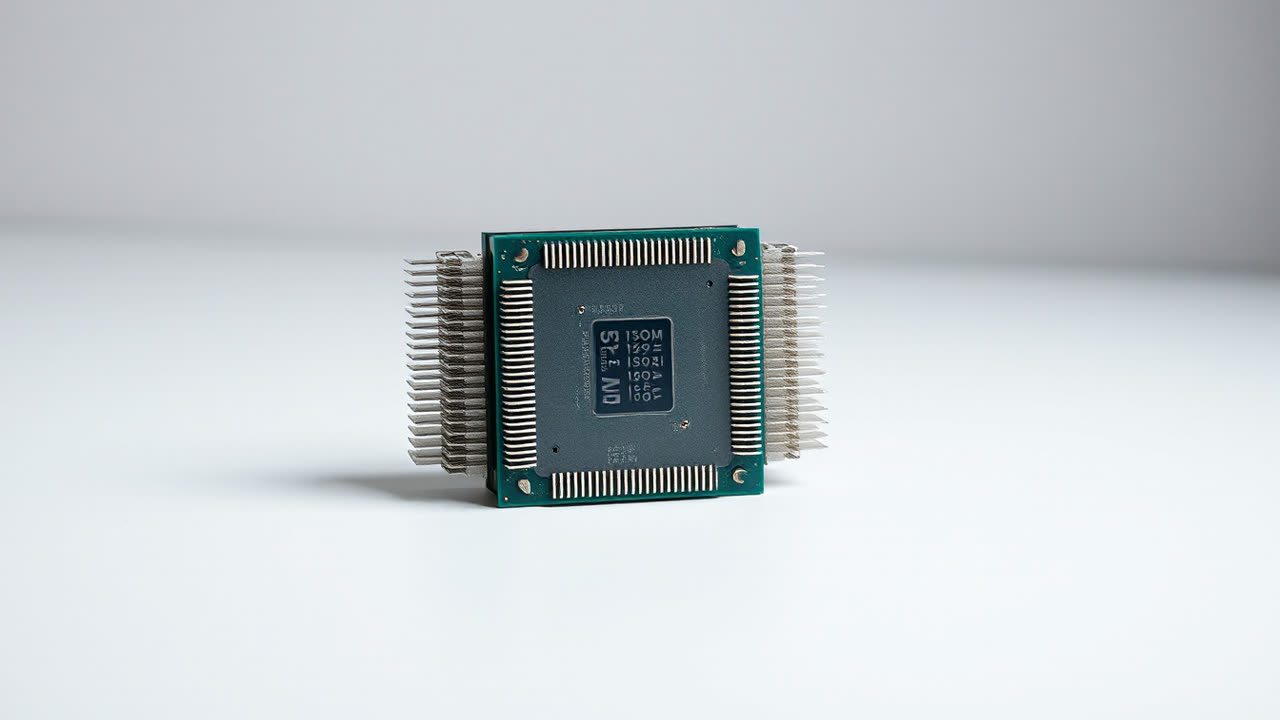
Intel is reportedly preparing to shake up the mainstream desktop market with two potent new 22-core Nova Lake-S SKUs, featuring a substantial 144MB of game-boosting bLLC cache, slated for its Core Ultra 5 tier. These anticipated processors, part of the upcoming Core Ultra 400 series, are rumored to include both a 125W unlocked variant and a 65W locked part. Each is expected to be configured with 6 Performance-cores (Coyote Cove), 12 Efficiency-cores (Arctic Wolf), and 4 Low-Power Efficiency-cores, all within a single compute tile design.
The inclusion of "Big Last Level Cache" (bLLC) is a strategic move by Intel, aiming to deliver a significant performance uplift, directly challenging AMD's successful 3D V-Cache technology, particularly in gaming scenarios. While the broader Nova Lake platform, which will require a new LGA 1954 socket, is expected to debut in late 2026 or early 2027, these Core Ultra 5 single-tile parts could be among the initial offerings. Higher-end Nova Lake models are rumored to scale up to 52 cores and potentially 288MB of bLLC in dual-tile configurations, further highlighting Intel's aggressive architectural ambitions.
This aggressive core count and massive cache allocation for a Core Ultra 5 series CPU signals Intel's intent to dominate beyond just the enthusiast segment. By bringing such advanced features to a more accessible tier, Intel aims to democratize high-performance gaming and multi-threaded capabilities, making a compelling case for mainstream users. The 144MB bLLC on a single-tile design suggests a strong focus on optimizing latency-sensitive workloads like gaming, where cache size significantly impacts frame rates. This could force AMD to respond with even more competitive offerings in their Zen 6 "Olympic Ridge" lineup, setting the stage for an intense battle for desktop CPU supremacy in 2027. If these rumors hold true, consumers can look forward to a highly competitive market, pushing both innovation and value in the next generation of desktop computing. Intel's renewed focus on a robust product roadmap, including Nova Lake and subsequent generations, indicates a serious effort to reclaim market leadership.