iOS 27 Beta Digital ID Flaw Strands Travelers, Raises Security Concerns
An unexpected flaw in the iOS 27 beta software, specifically impacting its nascent Digital ID functionality, reportedly led to instances where travelers experienced significant complications, including the potential deactivation of digital passport features.
✨ This content was summarized and interpreted by AI; it may contain errors — please verify accuracy with the original sources. Learn more
Listen to this story
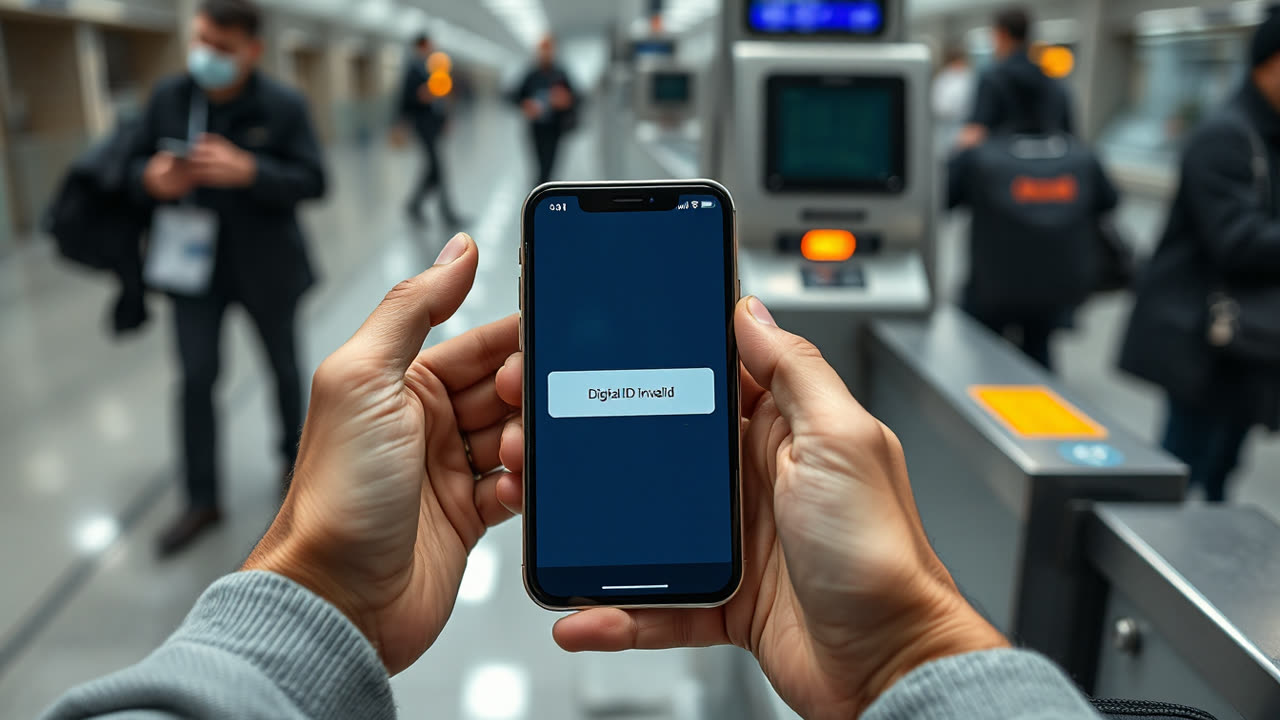
An unexpected flaw in the iOS 27 beta software, specifically impacting its nascent Digital ID functionality, reportedly led to instances where travelers experienced significant complications, including the potential deactivation of digital passport features. This glitch underscores a critical vulnerability in the rapidly evolving landscape of digital identity, highlighting the inherent risks of deploying beta software for functions as sensitive as international travel credentials. The reported issue, which could manifest as a failure to authenticate or even a temporary invalidation of digital identification, presents a stark reminder of why relying on pre-release operating systems for essential services remains a perilous gamble for users.
The immediate implications for affected travelers would have been severe, ranging from delays and missed connections to outright denial of boarding or entry, potentially stranding individuals in foreign jurisdictions. While the exact mechanism of the "deactivation" remains under wraps, it likely involved a critical error in the secure element's interaction with the travel authority's verification systems, or a bug in the cryptographic handshake required to validate the digital credential. For users, the promise of seamless, paperless travel offered by digital IDs is shattered by such an event, eroding trust in the technology itself and, by extension, in Apple's execution of secure identity solutions. The incident serves as a cautionary tale, demonstrating that even minor software imperfections can have disproportionately large real-world consequences when tied to critical infrastructure like border control and airport security.
This incident carries significant weight for the broader digital identity industry, which is still in its formative stages. Governments worldwide are increasingly investing in mobile driver's licenses (mDLs) and digital passports, aiming to streamline identification processes and enhance security. The United States, for instance, has seen several states launch mDL programs, often integrated with Apple Wallet, allowing citizens to present their IDs digitally at TSA checkpoints and other locations. Similarly, the European Union is pushing for a bloc-wide digital identity framework, with a mandate for member states to offer digital wallets by 2026. Such widespread adoption hinges entirely on unwavering reliability and security. A high-profile glitch, even in a beta, can sow seeds of doubt among both users and adopting authorities, potentially slowing down the momentum for digital ID integration and increasing scrutiny on the underlying technology and its providers.
Comparing this to prior generations, the complexity of digital IDs far surpasses that of simple mobile payment systems, which have largely matured over the past decade. While early mobile payment glitches were inconvenient, they rarely led to scenarios as disruptive as being unable to travel internationally. The current generation of digital identity solutions involves intricate cryptographic protocols, secure hardware enclaves, and interoperability standards across diverse global systems, making them inherently more prone to subtle, yet catastrophic, failures. Rivals in the Android ecosystem also face similar challenges, with Google Wallet supporting digital driver's licenses in a growing number of U.S. states, indicating a parallel push into this sensitive domain. Both platforms are navigating uncharted waters, and incidents like the iOS 27 beta glitch highlight the universal struggle to achieve perfect reliability in complex, security-critical software. Historically, iOS beta programs have occasionally presented bugs affecting core functionalities, but rarely have they touched upon an area with such direct and severe implications for a user's physical freedom of movement.
Looking ahead, this incident will likely prompt Apple to redouble its efforts in rigorous testing and potentially re-evaluate the scope of features included in early beta releases, especially those touching critical identity infrastructure. It may also lead to clearer disclaimers and warnings for users experimenting with beta software, particularly regarding its use for official identification. For the digital identity sector, the takeaway is clear: robustness, redundancy, and fail-safes are paramount. Future iterations of digital IDs, regardless of platform, must incorporate mechanisms that prevent "deactivation" or complete loss of access due to software bugs, perhaps by requiring a physical backup or a more resilient offline verification mode. Regulators, too, might push for stricter certification processes for digital identity solutions before they are deemed fit for widespread travel use. Ultimately, while digital IDs promise a future of convenience, this glitch serves as a stark reminder that the journey towards that future demands an uncompromising commitment to security and reliability, ensuring that innovation does not come at the cost of essential functionality and user trust.