iPhone 15 Pro Max Reaches 1,000 Battery Cycles, Redefining Smartphone Longevity and Sustainability
Apple's latest iPhone models are designed to retain 80% battery capacity after 1,000 charge cycles, a significant leap that challenges frequent upgrades and promotes environmental benefits.
✨ This content was summarized and interpreted by AI; it may contain errors — please verify accuracy with the original sources. Learn more
Listen to this story
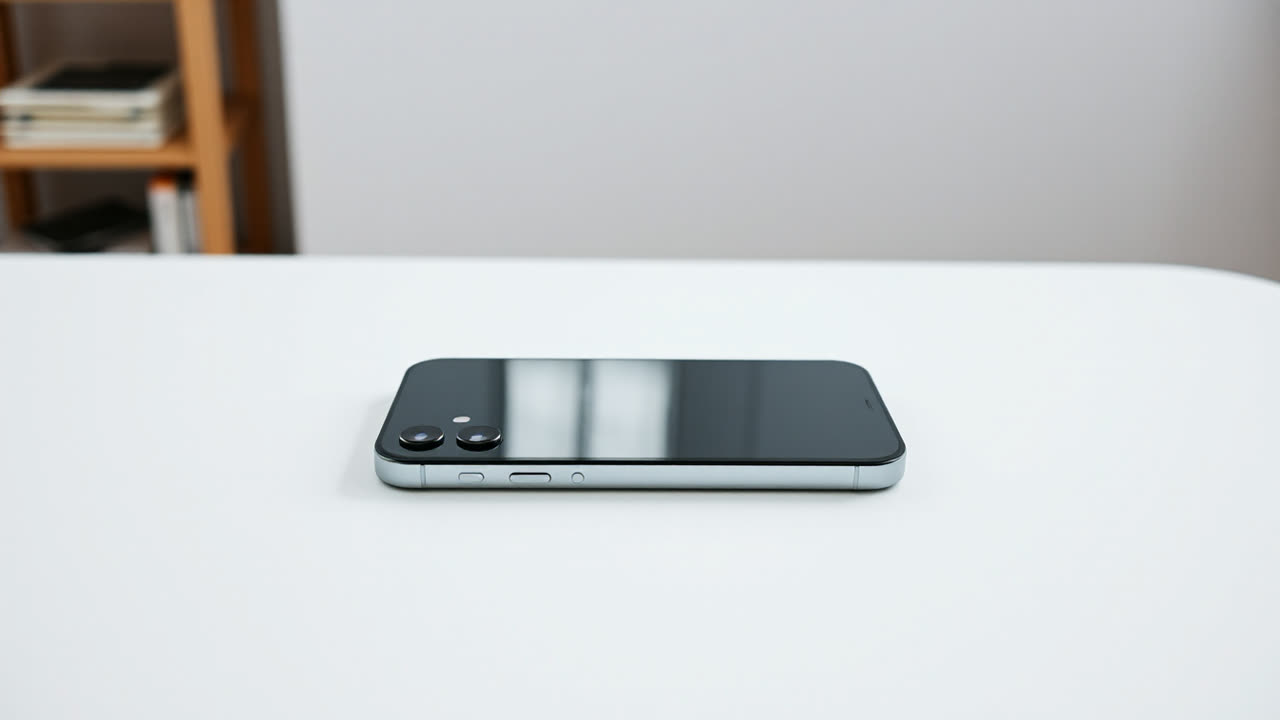
The iPhone 15 Pro Max, three years after its launch, reaching 1,000 battery charge cycles marks a significant milestone that underscores both Apple's advancements in battery longevity and a broader industry shift towards more durable and sustainable devices. This achievement directly aligns with Apple's updated specification for iPhone 15 models, which are designed to retain 80% of their original battery capacity after 1,000 complete charge cycles under ideal conditions, a notable improvement over the 500-cycle rating for iPhone 14 models and earlier. For a device typically experiencing one charge cycle per day, 1,000 cycles translates to nearly three years of use, suggesting that this particular iPhone 15 Pro Max is performing precisely as intended, if not exceeding expectations for real-world usage.
This longevity is profoundly impactful for users, extending the practical lifespan of a premium smartphone and offering substantial economic and environmental benefits. With an average smartphone replacement cycle currently around 2.5 years in some regions, an iPhone 15 Pro Max maintaining strong battery health after three years directly challenges the ingrained consumer habit of frequent upgrades. Users can defer the significant expense of a new flagship phone, which can cost upwards of $799 for a new iPhone 15, while a battery replacement for the iPhone 15 Pro Max typically costs $99 out-of-warranty at Apple, or potentially less at third-party repair shops (e.g., $99 at iFixForU). This makes battery replacement a highly cost-effective solution, often less than 15% of the cost of a new device, enabling users to comfortably get another two or three years of use from an otherwise healthy phone. Furthermore, extending a smartphone's life by even one year can reduce its annual carbon emissions by up to 30%, with manufacturing accounting for over 80% of a phone's total environmental impact. This improved durability directly supports a more sustainable consumption model, reducing electronic waste and the demand for raw materials.
The industry implications of such extended battery longevity are multifaceted. Traditionally, smartphone manufacturers have thrived on regular upgrade cycles, often driven by perceived obsolescence, with battery degradation being a primary catalyst for replacement. Apple's explicit design for 1,000 cycles for the iPhone 15 series, coupled with features like optimized battery charging in iOS 17 and later, which allows users to set a charge limit (e.g., 80% or 90%) to mitigate degradation, signifies a strategic shift. This move could encourage other manufacturers to follow suit, prioritizing long-term device health over planned obsolescence. While competitors like Samsung and Google Pixel have also focused on battery health, with Google Pixel 8a and later models rated for about 1,000 cycles at 80% retained capacity, Apple's strong ecosystem and consumer trust in its battery health reporting (available in Settings) could set a new benchmark. Samsung, for instance, often emphasizes larger battery capacities and faster charging speeds, while Apple leverages efficient chips and iOS optimization for impressive real-world endurance even with comparatively smaller batteries. The iPhone 15 Pro Max, with a 4,441 mAh battery, has shown strong efficiency, with later models like the iPhone 17 Pro Max (4,823mAh) and iPhone 18 Pro Max (5,567 mAh) demonstrating continued battery capacity increases while maintaining efficiency.
Looking ahead, the trajectory for smartphone battery technology and user experience points towards even greater endurance and smarter management. The anticipated widespread adoption of silicon-carbon battery technology in 2026 promises significantly increased energy density, allowing for larger capacities (e.g., 6,000mAh to 8,000mAh) within existing or even thinner form factors. These advancements will be complemented by extreme fast charging capabilities, potentially replenishing a significant portion of a battery in minutes, while sophisticated battery management systems (BMS) and thermal management solutions will ensure safety and longevity. Software innovations, such as Apple's Adaptive Power (introduced with iPhone 17 models), which uses on-device intelligence to predict usage patterns and adjust power consumption, will further optimize daily battery life. These integrated advancements — from material science to AI-driven power management — will redefine consumer expectations, making multi-year device retention the norm rather than an exception. The industry will increasingly pivot towards "high endurance smartphones" that combine efficient chipsets, optimized software, and advanced battery chemistry to offer genuinely exceptional daily battery life, reducing the need for constant charging and bolstering the environmental case for longer device lifespans.