iPhone 18 Pro Redefines Mobile Photography and On-Device AI with Variable Aperture and A20 Pro Chip
The iPhone 18 Pro introduces a groundbreaking continuously variable aperture lens and a dual 16-core A20 Pro chip, fundamentally transforming smartphone photography and setting a new benchmark for on-device generative AI, pushing rivals towards optical innovation and integrated intelligence.
✨ This content was summarized and interpreted by AI; it may contain errors — please verify accuracy with the original sources. Learn more
Listen to this story
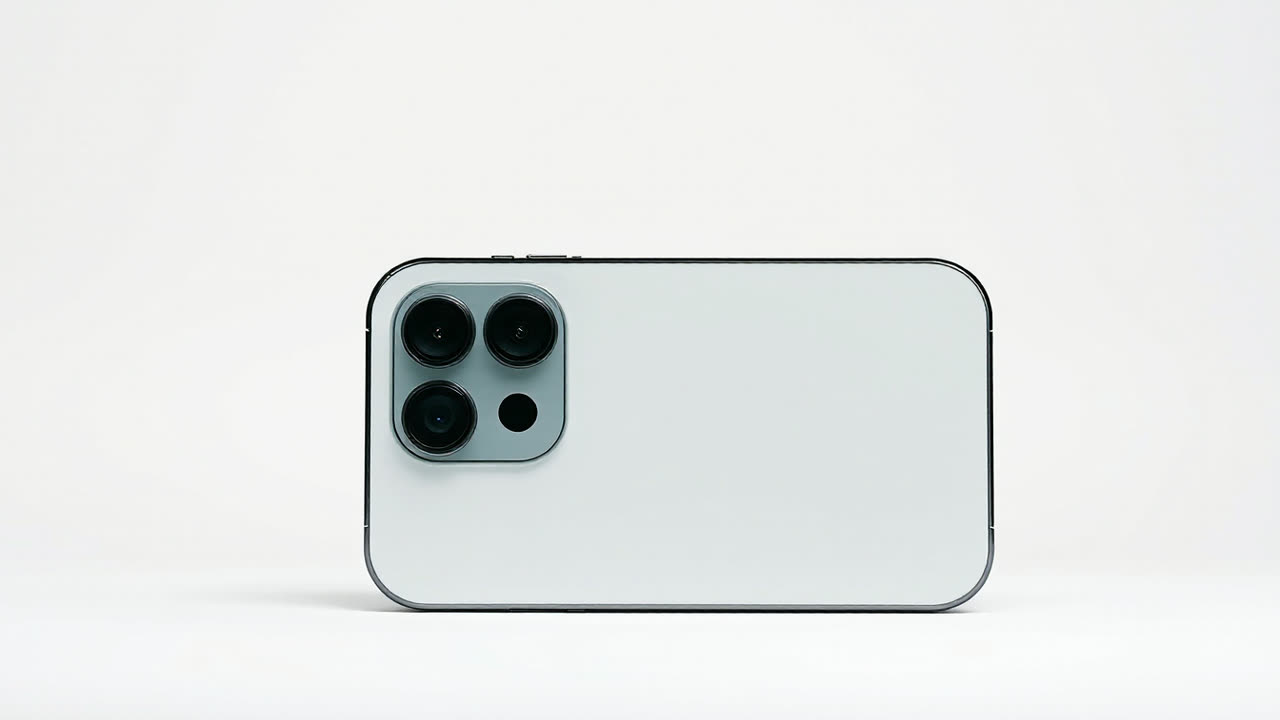
The iPhone 18 Pro redefines mobile photography with its groundbreaking, continuously variable aperture lens system, a first for mainstream smartphones, complemented by an A20 Pro chip that ushers in a new era of on-device generative AI capabilities. This advanced optical system, capable of fluidly adjusting aperture from f/1.48 to f/4.0, offers unprecedented control over depth of field and low-light performance, allowing users to capture professional-grade bokeh and sharper images in diverse lighting conditions without relying solely on computational trickery. The new 48MP Fusion Main camera with variable aperture is the most advanced camera Apple has ever made, bringing aperture control to iPhone for the first time. Beyond imaging, the A20 Pro chip, featuring a dual 16-core Neural Engine, doubles the AI processing power compared to the A19 Pro, empowering a deeply integrated, proactive Siri AI that anticipates user needs, executes complex multi-app workflows, and provides real-time, context-aware assistance, moving far beyond simple voice commands.
This generational leap matters profoundly for both users and the broader industry. For consumers, the iPhone 18 Pro transforms the smartphone from a reactive tool into a truly intelligent companion. The variable aperture not only elevates creative expression for casual and professional photographers alike but also pressures rival Android manufacturers to invest heavily in fundamental optical advancements rather than merely stacking megapixels or relying on software simulations. The pervasive, on-device AI, distinct from cloud-dependent solutions, offers enhanced privacy and instantaneous responsiveness, setting a new benchmark for personal computing and raising expectations for how effortlessly technology should integrate into daily life. This shift could accelerate the development of more personalized and secure AI experiences across all smart devices, as Apple effectively demonstrates the tangible benefits of processing power at the edge.
Compared to its predecessor, the iPhone 17 Pro, the 18 Pro represents a significant architectural evolution rather than an iterative update. While the 17 Pro introduced a robust computational photography, the 18 Pro's variable aperture is a hardware paradigm shift, offering optical advantages that software alone cannot fully replicate. In terms of raw performance, the A20 Pro chip, built on a 2nm process, delivers significant sustained performance improvements over the iPhone 17 Pro, thanks in part to a new vapor chamber with three times the surface area of the system in the 17 Pro. The device also features a Super Retina XDR display with ProMotion technology, offering adaptive refresh rates up to 120Hz and achieving a remarkable 3000 nits peak brightness for outdoor viewing, surpassing the 17 Pro's display. Battery life sees a tangible improvement, with the iPhone 18 Pro rated for up to 36 hours of video playback, a substantial endurance boost attributed to redesigned batteries and the A20 Pro chip's efficiency.
Against rivals like the newly introduced iPhone Duo (Apple's first foldable smartphone, launched in September 2026), the iPhone 18 Pro carves its niche by prioritizing a refined, integrated experience over novel form factors. While the iPhone Duo, with its 7.6-inch inner screen and 5.4-inch cover display, is forecast to capture nearly 25% of the global foldable market in 2026, the 18 Pro's focus on foundational camera technology and deeply embedded AI positions it as the definitive single-screen smartphone, a "yardstick" for traditional premium devices. Its robust aluminum unibody design, featuring Ceramic Shield 2 on the front and Ceramic Shield on the back, maintains Apple's reputation for premium build quality, contrasting with the often more fragile designs of early foldable generations. The starting price of $1199 for the iPhone 18 Pro, a $100 increase from its predecessor, reflects the significant hardware and software innovations, yet remains competitive within the ultra-premium segment, especially when compared to the iPhone Duo's $1999 starting price.
Looking ahead, the iPhone 18 Pro's advancements will undoubtedly shape the next wave of smartphone innovation. We can anticipate other manufacturers scrambling to integrate their own variable aperture systems and develop more sophisticated on-device AI engines, moving beyond rudimentary chatbots to truly intelligent personal assistants. Apple's emphasis on optical hardware improvements, rather than just computational processing, signals a potential renaissance in camera engineering across the industry, pushing the boundaries of what's physically possible within compact smartphone chassis. Furthermore, the enhanced on-device AI capabilities, powered by iOS 27's Apple Intelligence, lay the groundwork for a future where personal devices act as highly secure, localized intelligence hubs, potentially reducing reliance on cloud services for sensitive data and complex tasks. This could also pave the way for more sophisticated augmented reality (AR) applications that demand real-time environmental understanding and interaction, seamlessly blending the digital and physical worlds without perceptible latency. The iPhone 18 Pro is not just a new phone; it’s a blueprint for the intelligent, optically superior mobile devices of tomorrow.