iPhone 18 Pro's Paradox: Instant Availability Meets Rapid Scarcity on India's Quick-Commerce Platforms
Apple's latest flagship, the iPhone 18 Pro, experienced unprecedented rapid availability and subsequent critical stock depletion on India's quick-commerce platforms, highlighting a fascinating paradox in modern retail.
✨ This content was summarized and interpreted by AI; it may contain errors — please verify accuracy with the original sources. Learn more
Listen to this story
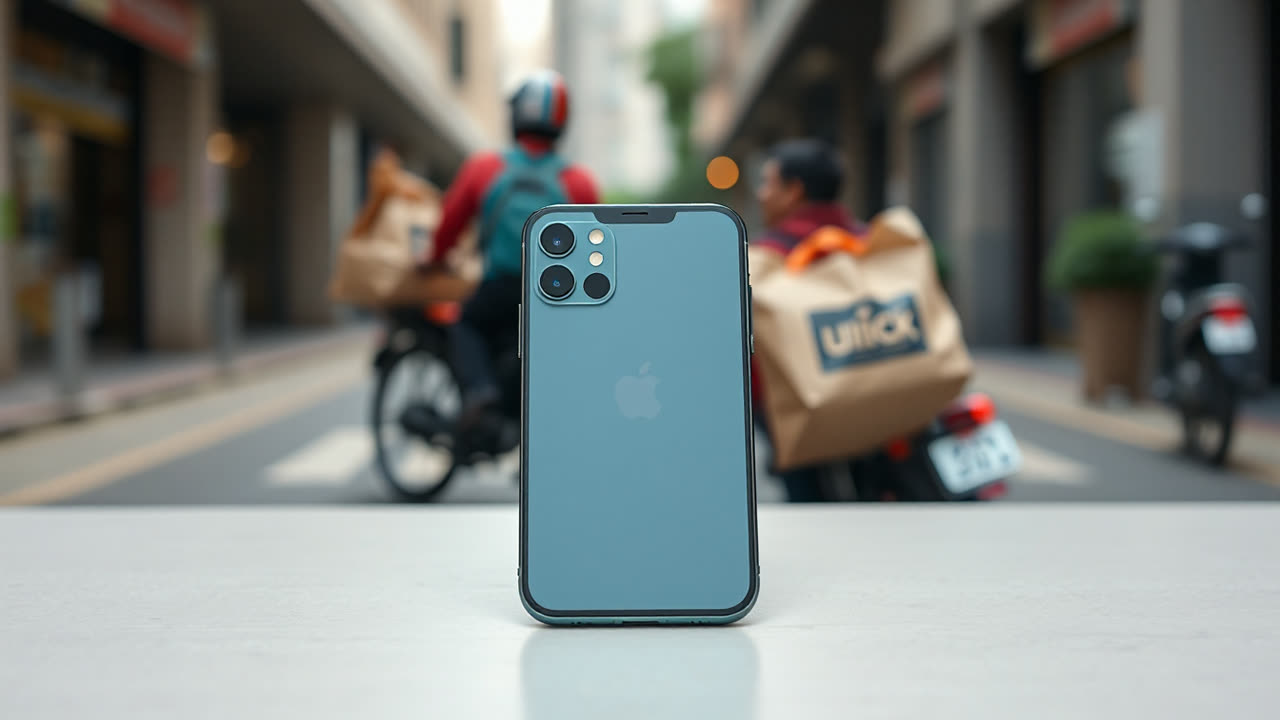
Within hours of its debut, Apple's iPhone 18 Pro series achieved rapid availability on India's quick-commerce platforms, only for stock to turn critically patchy, exposing a fascinating paradox in modern retail and Apple's evolving strategy in a crucial growth market. This unprecedented speed, where a high-value consumer electronic device like the iPhone 18 Pro, priced from Rs 1,64,900, could theoretically arrive faster than a freshly baked pizza, highlights the transformative power of India's quick-commerce infrastructure, which has aggressively expanded its ambit beyond groceries to encompass a wider array of products, including electronics. However, the subsequent scarcity, with platforms like Blinkit and Instamart showing no models available by 5 PM on launch day in Delhi, points to persistent challenges in supply chain synchronization, inventory management, and perhaps, a deliberate, if risky, flash sale strategy by both Apple and its quick-commerce partners to generate hype and gauge immediate demand.
This dynamic availability is significant because it fundamentally reshapes user expectations and industry distribution models. For users, the allure of instant gratification for a premium device is immense, moving beyond traditional pre-order windows and lengthy delivery times. The ability to purchase a flagship smartphone and receive it within minutes or a few hours, offered by players like Blinkit, Zepto, and Swiggy Instamart, represents a paradigm shift in convenience. This immediate access caters to an increasingly affluent and digitally native Indian consumer base, for whom speed and seamless experience are paramount. The initial rush and subsequent stock depletion also create a sense of urgency and exclusivity, potentially driving up perceived value and immediate conversion rates for those lucky enough to secure a unit. Analysts noted that some shoppers still chose to queue up at physical stores, not just for the purchase, but also because being seen with the newest iPhone on launch day remains a significant social statement.
For the industry, this rapid deployment via quick-commerce platforms signals Apple's continued and aggressive pivot towards the Indian market, recognizing its immense growth potential for premium smartphones. Apple has been steadily increasing its manufacturing footprint in India, with reports indicating that by September 2026, India-made iPhone 18 Pro and Pro Max models are reaching global shelves from day one for the first time. This localized production, involving partners like Foxconn, Pegatron, and the Tata Group, is crucial for streamlining logistics and allowing for faster market entry. By late 2026, Apple reportedly aims to shift its US iPhone production to India, targeting over 60 million units to be exported annually. The quick-commerce channel, therefore, becomes a natural extension of this strategy, enabling Apple to tap into a vast network of micro-warehouses and delivery riders that bypasses traditional retail bottlenecks and even some e-commerce logistics, particularly in urban centers. This direct-to-consumer approach, albeit through third-party platforms, allows for unprecedented speed-to-market, challenging traditional retail partners and even larger e-commerce players like Amazon and Flipkart, who have also entered quick commerce but often operate on longer delivery cycles for high-value items.
Comparing this to previous iPhone launches in India, the shift is stark. Historically, new iPhones arrived with staggered availability, often weeks after their global debut. While pre-orders offered some early access, the notion of same-day or same-hour delivery for a brand-new flagship was largely unheard of for iPhones. For instance, the iPhone 17 base model faced supply constraints in Q2 2026 due to price renegotiations with memory chip suppliers. The iPhone 18 Pro launch, however, saw strong sales across India, exceeding expectations, with quick-commerce platforms running out of stock rapidly. This move positions Apple not just as a technology leader, but also as an innovator in distribution, adapting to the unique logistical landscape of India's booming digital economy. India's premium smartphone segment (devices priced above ₹30,000) grew 11% year-on-year in 2025, accounting for a record 22% of overall shipments, with Apple leading the market in value terms with a 28% share. Apple's annual sales in India crossed $10 billion for the first time in FY26, with iPhones being the biggest driver.
However, the swift transition from ubiquitous to patchy availability within hours highlights a crucial vulnerability. While quick-commerce excels at speed, its inventory management for high-value, high-demand electronics like a new iPhone series presents significant logistical hurdles. Unlike groceries, where stock levels can be replenished frequently from local distributors, a limited initial allocation of a flagship smartphone can quickly evaporate. This scarcity could be a double-edged sword: while it generates buzz, it also risks alienating potential customers who are unable to purchase the device, potentially driving them to grey markets or even rival brands if the wait becomes too long. Quick commerce platforms operate hundreds of dark stores in each metro, a tough proposition for an electronics company without such widespread distribution muscles, especially when dark stores can only stock a limited number of models. The challenge for quick-commerce platforms and Apple will be to scale initial allocations and refine predictive analytics to match the explosive demand, ensuring sustained availability beyond the initial flash.
Looking ahead, this experiment with quick-commerce for the iPhone 18 Pro series is likely a harbinger of Apple's future distribution strategies in India and potentially other emerging markets. The quick commerce market in India is projected to reach $6.64 billion by 2031, with Electronics & Accessories growing at a 17.78% CAGR through 2031. We can expect to see further integration between Apple's supply chain and these rapid delivery networks, potentially leading to dedicated inventory pools for quick-commerce partners. The success of this model will depend on Apple's ability to maintain a robust supply, especially with increasing production in India, and for quick-commerce platforms to mature their logistics for high-value goods, ensuring secure and efficient delivery. This could also spur other premium smartphone manufacturers to explore similar channels, intensifying competition in the ultra-fast delivery segment for electronics. Ultimately, the initial frenzy and subsequent scarcity of the iPhone 18 Pro on quick-commerce apps in India are not just a fleeting news item, but a potent indicator of how consumer electronics retail is being fundamentally re-imagined, prioritizing instant access and hyper-local fulfillment in an increasingly competitive global landscape.