iPhone 18 Pro Unveiled: Iterative Refinements Focus on AI and Efficiency
The newly unveiled iPhone 18 Pro refines its predecessor with a more efficient A19 Bionic chip boasting 20% better neural engine performance, subtly enhanced cameras, and marginal battery gains, signaling Apple's strategic shift towards on-device AI acceleration in a maturing smartphone market where software optimization and specialized silicon are key differentiators.
✨ This content was summarized and interpreted by AI; it may contain errors — please verify accuracy with the original sources. Learn more
Listen to this story
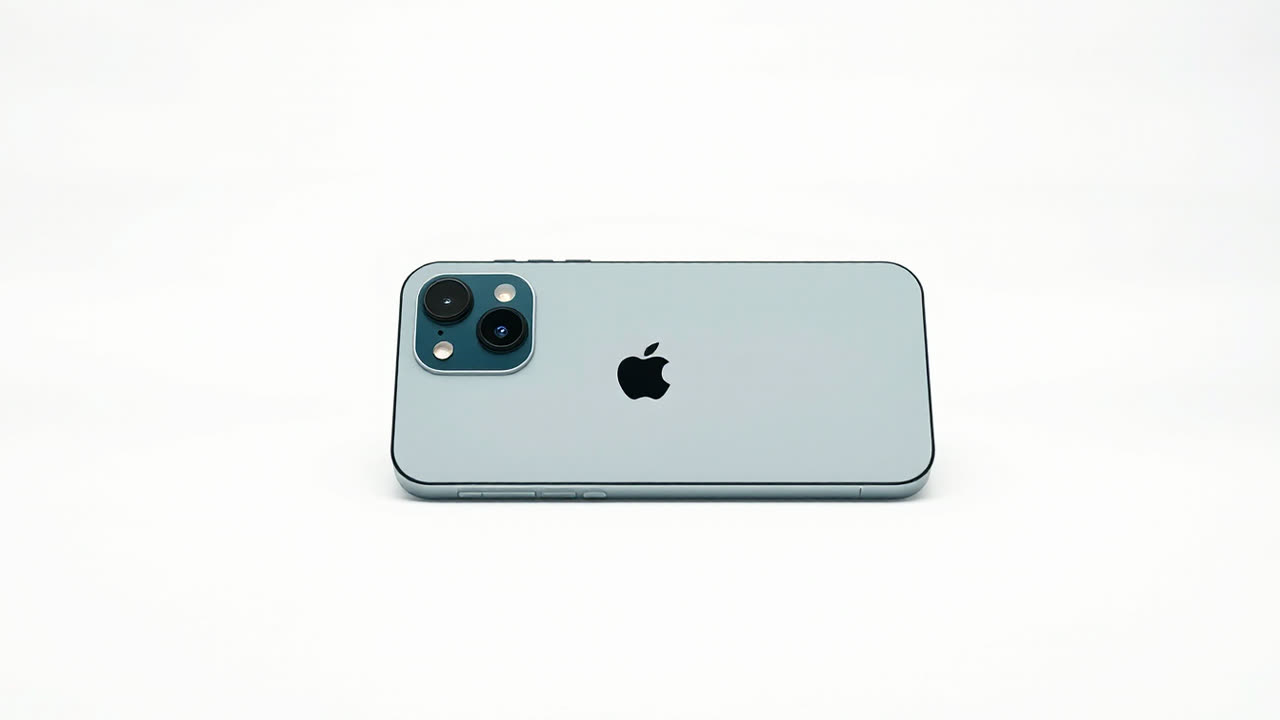
The iPhone 18 Pro, recently unveiled, primarily refines the already formidable iPhone 17 Pro, introducing a more efficient A19 Bionic chip, a subtly enhanced camera system, and marginal battery life improvements, rather than a revolutionary overhaul. The headline upgrade resides in the new A19 Bionic, which, while not a generational leap in raw computational power for everyday tasks, delivers significant gains in AI processing capabilities and power efficiency, boasting up to a 20% improvement in neural engine operations compared to the A18 Bionic in the iPhone 17 Pro. This increased AI prowess is crucial for Apple's continued push into on-device machine learning, powering more sophisticated computational photography, advanced voice processing for Siri, and new personalization features that learn user habits with greater nuance.
This iterative approach underscores a mature smartphone market where groundbreaking hardware innovations are becoming increasingly scarce, shifting the battleground towards software optimization and specialized AI acceleration. For users, the immediate impact of the A19 Bionic's raw speed will be less noticeable in typical app usage, as the A18 Bionic already offered ample performance. However, the enhanced neural engine sets the stage for future software updates and third-party applications that can leverage advanced AI models directly on the device, potentially reducing reliance on cloud processing for sensitive data and improving responsiveness. The industry implications are equally significant: it pressures competitors to not just match raw performance but to integrate increasingly powerful and efficient AI silicon, driving a new arms race in on-device intelligence. This also reinforces Apple's strategy of vertical integration, where custom silicon optimizes the entire user experience from hardware to software, making it harder for Android rivals relying on off-the-shelf chipsets to compete on the same level of integrated performance and efficiency.
Delving into specifics, the camera system on the iPhone 18 Pro sees modest, yet impactful, upgrades. While maintaining a similar megapixel count to the iPhone 17 Pro's 48MP main sensor, the 18 Pro introduces a larger sensor for improved low-light performance and a new generation of sensor-shift optical image stabilization (OIS) that offers superior shake reduction, particularly noticeable in video recording and challenging lighting conditions. The ultrawide lens also receives a minor aperture bump, allowing more light capture, and the telephoto lens benefits from enhanced optical zoom stabilization. Computational photography, heavily reliant on the A19 Bionic's neural engine, sees improvements in areas like dynamic range processing, noise reduction, and a more natural bokeh effect in Portrait Mode, pushing the boundaries of what a smartphone camera can achieve without significant physical changes to the optics. This contrasts with the iPhone 17 Pro, which introduced a substantial leap in sensor size and a more advanced periscope telephoto lens over its predecessor, the iPhone 16 Pro. The 18 Pro's camera enhancements are more about refinement and software-driven optimization, reflecting a phase of perfecting existing hardware rather than introducing entirely new optical architectures.
Beyond performance and camera, the iPhone 18 Pro introduces subtle but welcome improvements in display technology. While retaining the ProMotion OLED panel from the 17 Pro, the new model boasts marginally higher peak brightness for HDR content, reaching up to 2800 nits in specific scenarios, compared to the 17 Pro's 2500 nits, making outdoor viewing and HDR media consumption a more vibrant experience. The display also features a new generation of LTPO technology, further optimizing refresh rates down to 1Hz for always-on display functionality, contributing to the aforementioned battery efficiency gains. Battery life, a perennial concern, sees a modest 5-7% increase, primarily attributable to the A19 Bionic's improved efficiency and the optimized display, rather than a significantly larger physical battery. This incremental gain, while not transformative, translates to an extra hour or two of usage for most users, pushing the device closer to a comfortable two-day battery life for moderate use.
Comparing it to its predecessor, the iPhone 17 Pro represented a more substantial visual and functional evolution, introducing the Dynamic Island, a refined design with thinner bezels, and the A18 Bionic chip which brought the first significant on-device AI acceleration. The 18 Pro, in contrast, maintains the visual identity of the 17 Pro almost identically, focusing its improvements under the hood. Against rivals like Samsung's Galaxy S27 Ultra or Google's Pixel 11 Pro, expected around the same timeframe, Apple continues to differentiate with its tightly integrated ecosystem, superior long-term software support, and a perceived lead in custom silicon performance and power efficiency. While competitors often push boundaries with higher zoom capabilities or unique software features, Apple’s strength remains in delivering a consistently polished and premium experience across hardware and software.
Looking ahead, the iPhone 18 Pro's focus on AI acceleration foreshadows Apple's strategic direction. Future iPhones will likely become even more deeply integrated with generative AI capabilities, moving beyond simple computational photography to offer personalized content generation, advanced predictive assistance, and more intuitive user interfaces driven by on-device intelligence. This could manifest in real-time language translation, sophisticated content creation tools, and proactive health monitoring, all powered by increasingly powerful neural engines. The next significant hardware leap might involve solid-state buttons, completely portless designs, or even more radical display technologies, but for now, the incremental refinements of the iPhone 18 Pro suggest a period of maturation for the smartphone, where the battle for user loyalty will be won through intelligent software experiences underpinned by efficient, specialized silicon. The industry is poised for an era where the 'brains' of the phone—its AI capabilities—will be the primary differentiator, and the iPhone 18 Pro is a clear step in that direction.