iPhone Battery Health: Beyond the Percentage, Understanding Cycle Count and Apple's Transparency
Beyond the familiar 'Maximum Capacity' percentage, an iPhone's hidden battery cycle count offers a more accurate measure of its longevity, revealing Apple's ongoing struggle for transparency despite past scandals and increasing regulatory demands.
✨ This content was summarized and interpreted by AI; it may contain errors — please verify accuracy with the original sources. Learn more
Listen to this story
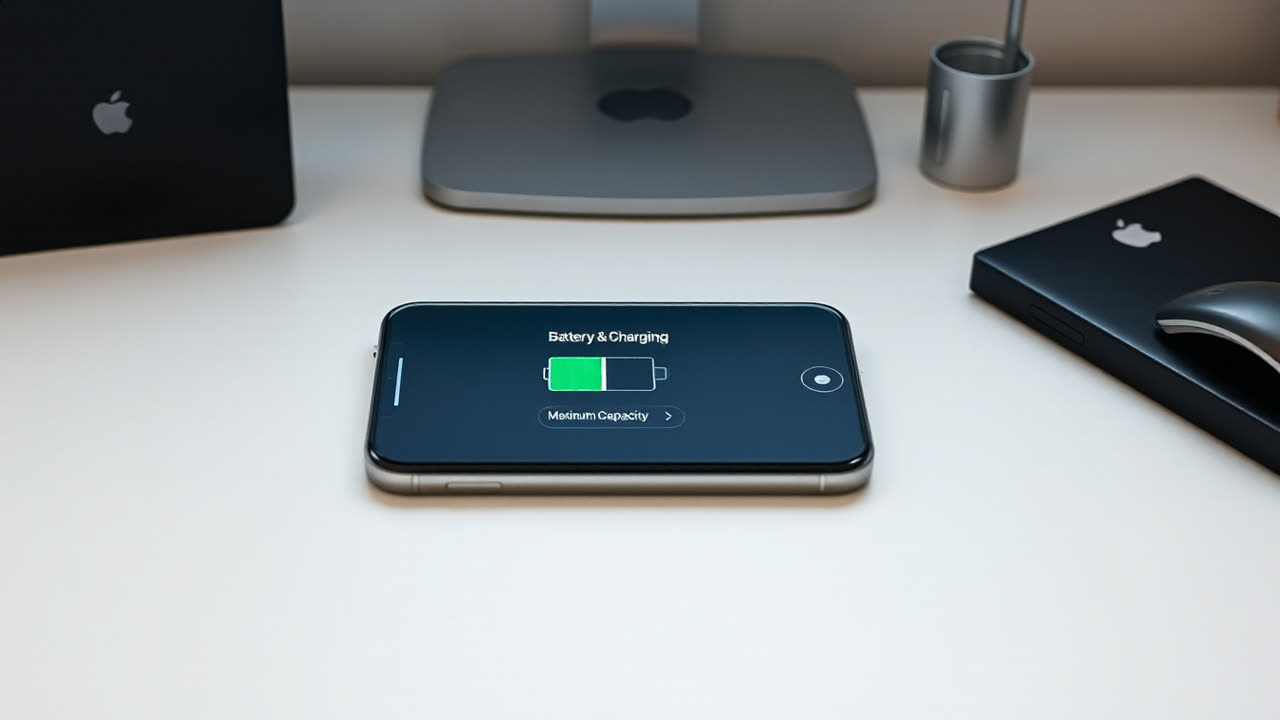
Understanding an iPhone's battery health and cycle count is no longer merely a technical curiosity for power users; it is a critical metric influencing device performance, longevity, and ultimately, consumer spending habits. The most accessible indicator, "Maximum Capacity," found under Settings > Battery > Battery Health & Charging, presents a percentage representing the current battery capacity relative to when it was new. A reading below 80% typically signifies a significantly degraded battery, often leading to noticeable performance throttling and diminished daily usage. This seemingly simple percentage is a direct legacy of Apple's 2017 "Batterygate" scandal, where the company admitted to deliberately slowing down older iPhones with chemically aged batteries to prevent unexpected shutdowns, without initially informing users. The ensuing public outcry and numerous lawsuits forced Apple to introduce these transparency features, fundamentally shifting the user's relationship with their device's internal components.
Beyond the easily digestible "Maximum Capacity," the "cycle count" offers a more granular and often more accurate measure of a battery's life. A battery cycle is completed each time the battery discharges 100% of its capacity, regardless of whether that discharge happens in one go or over several smaller charges. For instance, draining from 100% to 50% and then recharging, followed by another 50% drain and recharge, constitutes one cycle. While Apple officially states its iPhone batteries are designed to retain 80% of their original capacity after 500 complete charge cycles, some newer models, like the iPhone 15 series, are now rated for 1,000 cycles to reach that 80% threshold. Accessing this data typically involves navigating to Settings > Privacy & Security > Analytics & Improvements > Analytics Data, then sifting through a "log-aggregated" file, a process that is far from user-friendly and highlights a continued reluctance from Apple to fully democratize such critical device information. Alternatively, tools like CoconutBattery for macOS can display the cycle count when an iPhone is connected, offering a more streamlined, albeit platform-dependent, solution.
The implications of these metrics for users are profound. A declining "Maximum Capacity" and an increasing cycle count directly correlate with reduced battery life between charges, slower app performance, and potentially shorter overall device lifespan. When an iPhone's battery health drops significantly, the operating system's "Peak Performance Capability" management kicks in, dynamically adjusting CPU and GPU performance to prevent sudden shutdowns. While intended to protect the device, this often manifests as a frustratingly sluggish user experience, pushing consumers towards premature upgrades. Understanding these figures empowers users to make informed decisions: whether to invest in a battery replacement, which for models like the iPhone 14 Pro Max can cost around $99 directly from Apple without AppleCare+, or to upgrade their device entirely. This knowledge also feeds into the growing right-to-repair movement, advocating for greater access to parts, tools, and repair information, lessening reliance on manufacturers for essential maintenance.
In comparison to rivals, Apple's approach to battery health transparency, while improved, still lags in certain areas. Many Android manufacturers, such as Samsung and Google, integrate basic battery health checks directly into their settings apps, often displaying similar percentage indicators. However, direct, easily accessible cycle count information remains a rarity across the smartphone industry, often requiring third-party applications or developer mode access even on Android devices. This industry-wide opacity around cycle count underscores a shared interest among manufacturers in managing upgrade cycles and controlling the repair ecosystem. The average lifespan for a smartphone battery before significant degradation is generally considered to be 2-3 years, aligning with typical upgrade patterns. Apple's recent decision to rate the iPhone 15 series for 1,000 cycles before 80% capacity is a significant step, effectively doubling the expected lifespan compared to previous generations and potentially setting a new industry benchmark for battery durability.
Looking ahead, the trajectory suggests a continued push for greater transparency and sustainability in smartphone batteries. Regulatory pressure, particularly from the European Union with its upcoming digital product passport initiatives and mandates for more easily replaceable batteries, will likely force manufacturers like Apple to provide even more granular and user-friendly battery data. We can anticipate future iOS versions potentially integrating the cycle count directly into the Battery Health menu, eliminating the need for cumbersome file searches or third-party tools. Furthermore, advancements in battery technology itself, such as solid-state batteries or improved lithium-ion chemistries, promise longer lifespans and faster charging, potentially pushing the 80% capacity threshold well beyond current cycle counts. The industry is also exploring more sophisticated battery management systems that could dynamically adapt to usage patterns, further extending battery health. Ultimately, the ability for users to quickly and accurately assess their iPhone's battery health and cycle count will become an even more critical tool, not just for personal device management, but for broader environmental stewardship and consumer advocacy in the rapidly evolving tech landscape.