Kia EV2's Rapid Success Signals Mainstream Electric Vehicle Adoption
Kia's new entry-level EV2 SUV sold over 8,000 units in its first three months, underscoring a pivotal market shift towards affordable, practical electric vehicles and signaling the true beginning of mainstream EV adoption that will compel other manufacturers to accelerate their offerings.
✨ This content was summarized and interpreted by AI; it may contain errors — please verify accuracy with the original sources. Learn more
Listen to this story
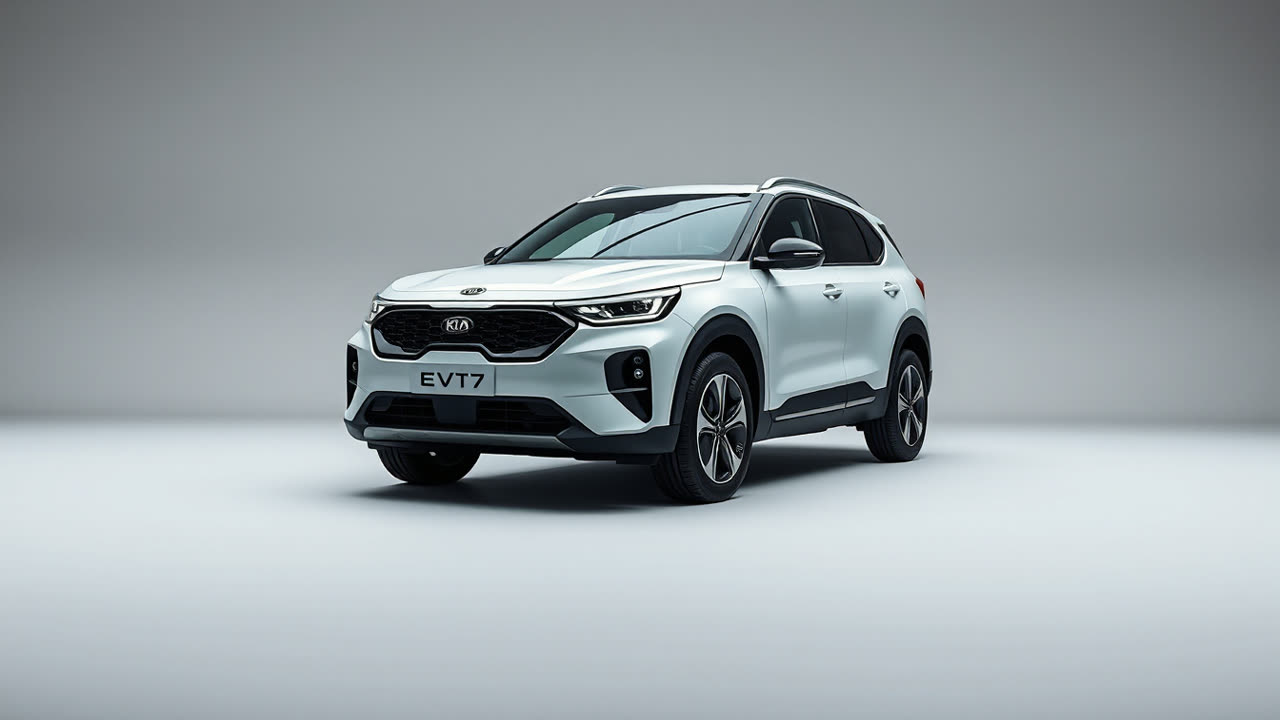
Kia's new EV2, an entry-level electric SUV, has swiftly established a significant market presence, selling over 8,000 units in its first three full months of availability between May and July 2026. This rapid uptake, following the opening of orders in April, underscores a pivotal shift in the electric vehicle (EV) landscape: the burgeoning demand for affordable, practical, and well-equipped models that finally address the mass market's primary concerns.
The EV2's early success is a potent indicator of the profound impact an accessible EV can have on accelerating adoption. While the average new EV still commands a price tag of $55,211, significantly higher than the $43,950 consumers expect to pay for their next vehicle, the EV2 directly challenges this affordability gap. With a starting price of just €26,600 ($30,500) in Germany, and from £24,245 ($32,500) in the UK (including a £3,750 government grant), the EV2 makes electric mobility a tangible reality for a much broader segment of buyers. This strategic pricing is crucial, as only 14% of current EV models fall below $45,000, despite 45% of consumer demand residing in that price bracket. The EV2's ability to offer compelling value at this price point is not merely a sales win for Kia, but a bellwether for the entire industry, signaling that the era of mainstream EV adoption is truly beginning.
Crucially, the EV2 doesn't compromise on essential features despite its entry-level positioning. It offers two battery options: a 42.2 kWh pack providing a WLTP range of 197 miles, and a larger 61 kWh pack extending the range to an impressive 281 miles WLTP. The Long Range variant, in particular, boasts "one of the longest ranges on a single charge of all EVs under £25,000," directly alleviating a major psychological barrier to EV ownership: range anxiety. While its 400V architecture, a deliberate cost-saving measure compared to the 800V systems in Kia's more premium E-GMP offerings, still allows for a 10% to 80% charge in around 30 minutes with a 118 kW DC fast charger, making it practical for everyday use. Its compact dimensions, measuring just over 4,000 mm long, make it smaller than Volkswagen's ID.3 hatch, yet it offers "segment-leading" rear passenger legroom and a respectable 403 liters of cargo capacity, appealing to urban dwellers and small families alike. Even its infotainment, featuring Kia's latest ccNC system with dual 12.3-inch screens, cleverly offers a "Lite" version as standard, omitting built-in navigation but allowing smartphone integration, a smart compromise for cost-conscious buyers.
The EV2's European genesis is also a significant factor in its early success, being Kia's first EV designed and built in Europe, with production in Slovakia and batteries sourced from Hungary. This localized production strategy likely contributes to its competitive pricing and tailored features for the European market, where it quickly became Kia's second-best-selling EV in June, trailing only the EV3 SUV. This regional focus contrasts with Kia's strategy for the US market, where the EV2 is not available, but the slightly larger EV3 recently launched with a starting price of $29,890. This demonstrates Kia's nuanced approach to global EV deployment, optimizing models for specific market needs and regulatory environments.
The competitive landscape for small electric SUVs is rapidly intensifying, with models like the Hyundai Inster, Volkswagen ID.Cross, and Skoda Epiq emerging as direct rivals. Kia's EV2 is well-positioned within this segment, offering a compelling blend of range, technology, and affordability. Its arrival marks a crucial phase where the market is no longer solely driven by premium EVs, which currently hold 31% market penetration, but by the growing demand for non-premium alternatives, currently at a mere 3% penetration. The EV2, alongside other forthcoming affordable EVs from manufacturers like Honda and Fisker, signals a maturation of the EV market, moving beyond early adopters to embrace a broader consumer base.
Looking ahead, the strong initial sales of the EV2 validate Kia's aggressive electrification roadmap. The company aims to launch six EV models by 2026, including the EV2, EV3, EV4, and EV5, and expand to 14 dedicated BEV models by 2027. Kia's ambitious targets of 1 million EV sales by 2030 and 1.6 million electrified vehicles as part of its 4.3 million global sales goal for the same year underscore its commitment to leading the global electrification era. The EV2's performance suggests that by strategically balancing features, range, and price, Kia is effectively tapping into the vast, underserved market for affordable electric vehicles. This trajectory, driven by consumer demand for practical and cost-effective EVs, will undoubtedly force other automakers to accelerate their own efforts in this segment, fostering a more competitive and ultimately more accessible EV market for all.