Kia PV5 Dominates Europe's Small Electric Van Market
Kia's new PV5 electric van has rapidly captured over one-third of Europe's small electric van market, becoming the most popular e-LCV across the continent and the UK.
✨ This content was summarized and interpreted by AI; it may contain errors — please verify accuracy with the original sources. Learn more
Listen to this story
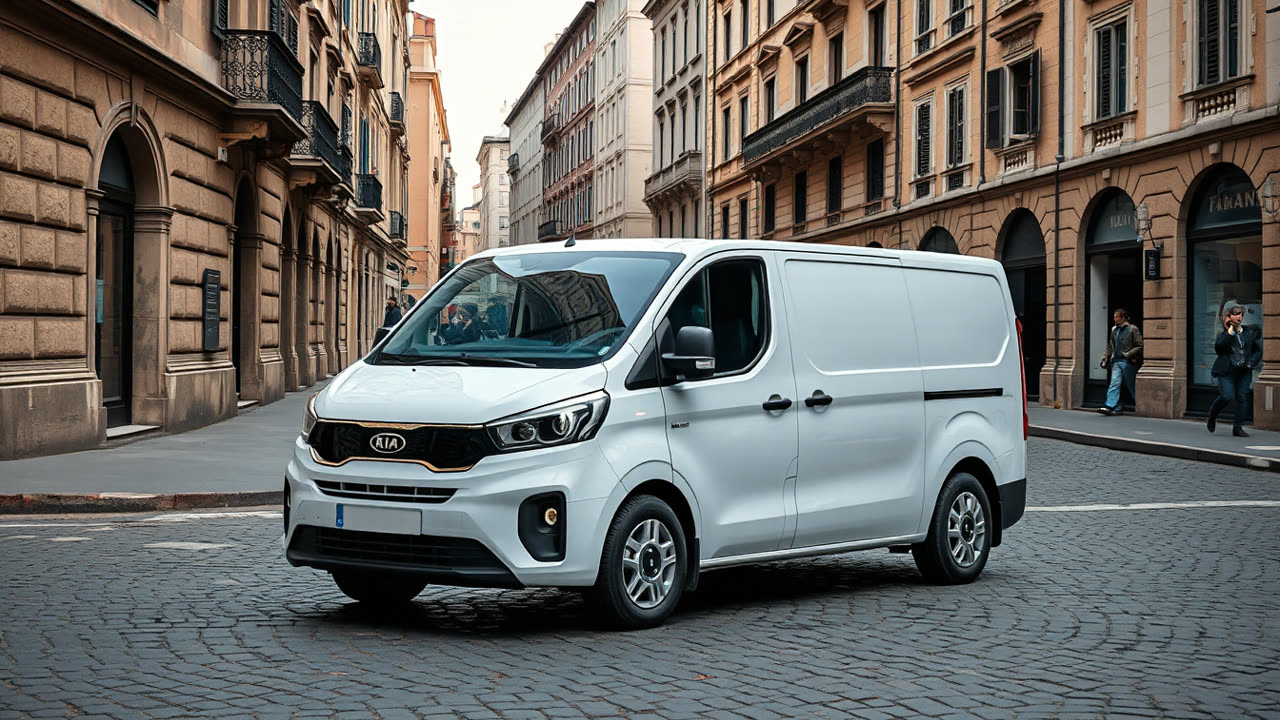
Kia's PV5, the inaugural offering in its Purpose-Built Vehicle (PBV) lineup, has decisively seized control of Europe's burgeoning small electric van segment, now commanding over one-third of the market share. This rapid ascent solidifies the PV5's position as the most popular e-LCV across both continental Europe and the UK, a remarkable achievement for Kia's first foray into the commercial electric vehicle space.
The immediate and profound impact of the PV5's success resonates deeply across the logistics, last-mile delivery, and small business sectors. For operators, the PV5 promises not just reduced operational costs through lower fuel and maintenance expenditures but also compliance with increasingly stringent urban emissions zones, many of which now restrict or outright ban internal combustion engine (ICE) vehicles. Its reported competitive range, efficient charging capabilities, and robust payload capacity directly address the practical demands of daily commercial use, translating into greater uptime and predictable route planning for businesses. The vehicle's modular design, a cornerstone of Kia's PBV philosophy, allows for adaptable configurations, from basic cargo carriers to specialized service vehicles, offering unprecedented flexibility that appeals to a diverse user base, from independent tradespeople to large fleet operators. This adaptability is critical in a fragmented European market with varied business needs.
Industrially, the PV5's dominance represents a significant disruption, particularly for established players in the light commercial vehicle (LCV) market. Stellantis, with its multi-brand electric van offerings like the Citroën e-Berlingo, Peugeot e-Partner, and Opel Combo-e, along with Renault's Kangoo E-Tech and Ford's E-Transit Courier, now face formidable pressure. While these rivals have been present in the market for longer, Kia's aggressive entry and rapid market capture indicate a potent combination of competitive pricing, advanced technology, and perhaps a more compelling total cost of ownership (TCO) proposition. The PV5's success validates Kia's strategic pivot into dedicated PBVs, demonstrating that a ground-up design focused purely on commercial electric functionality can outperform adapted ICE platforms. This will undoubtedly accelerate investment in dedicated EV platforms across the industry, pushing competitors to innovate faster and potentially consolidate their own electric LCV strategies. The influx of a new, highly successful player also fuels the overall transition to electric fleets, contributing to Europe's ambitious decarbonization targets.
Historically, the small van market in Europe has been a fiercely contested arena, primarily dominated by diesel-powered variants from manufacturers like Stellantis, Renault, and Ford. Early electric iterations often suffered from limited range, higher purchase prices, and slower charging infrastructure, hindering widespread adoption. The PV5 appears to have overcome these historical barriers, leveraging advancements in battery technology, motor efficiency, and smart vehicle integration. Its competitive edge likely stems from a blend of these technological improvements, Kia's brand reputation for reliability, and a well-executed market entry strategy that capitalized on growing demand for sustainable urban logistics solutions. Compared to prior generations, the PV5 offers a more integrated digital experience, potentially including advanced telematics and fleet management tools, further enhancing its appeal to modern businesses.
Looking ahead, the PV5's triumph marks just the beginning of Kia's ambitious PBV roadmap. The company has articulated plans for a broader ecosystem of Purpose-Built Vehicles, suggesting future models designed for ride-hailing, autonomous delivery, and even mobile offices. This success provides a robust foundation for expanding their PBV offerings, potentially into larger van segments or specialized modules, further challenging traditional commercial vehicle manufacturers. The battle for charging infrastructure will intensify as more electric vans hit the roads, necessitating continued investment from both public and private sectors to support rapid fleet electrification. Furthermore, the focus will likely shift beyond just range and payload to advanced driver-assistance systems (ADAS) and eventually autonomous capabilities tailored for commercial operations, promising even greater efficiency and safety. Kia's strong start with the PV5 positions it as a key innovator and a serious long-term contender in the evolving landscape of commercial mobility, compelling the entire industry to rethink its approach to urban logistics and last-mile delivery.