Kia's Bold Triple GT EV Launch Reshapes Performance Market
Kia's simultaneous launch of the EV3 GT, EV4 GT, and EV5 GT, now officially on sale, marks a pivotal moment for the brand by aggressively expanding its high-performance electric lineup across diverse market tiers, signaling a significant challenge to both premium EV players and traditional ICE performance brands while democratizing exhilarating electric driving experiences.
✨ This content was summarized and interpreted by AI; it may contain errors — please verify accuracy with the original sources. Learn more
Listen to this story
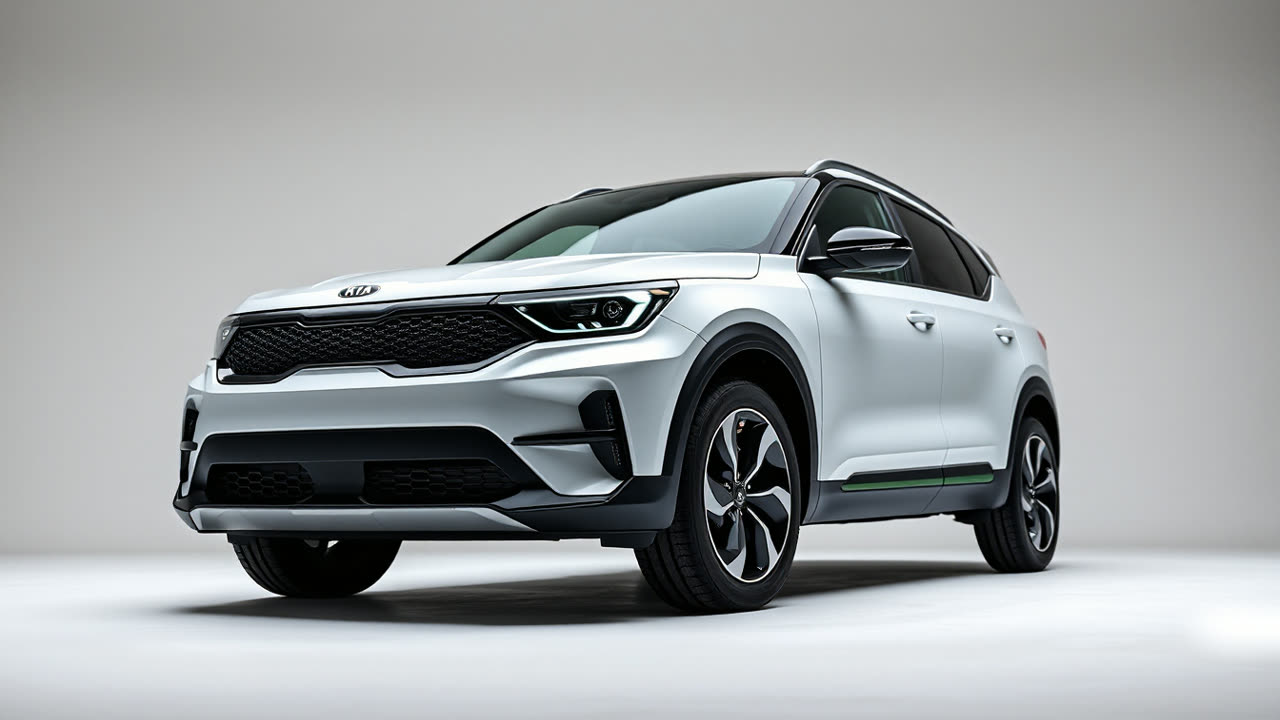
Kia's bold expansion of its electric GT lineup with the EV3 GT, EV4 GT, and EV5 GT, all now officially on sale, marks a pivotal moment for the brand and the broader performance EV segment, signaling an aggressive push into diverse market tiers with high-performance electric offerings. This simultaneous launch underscores Kia's commitment to electrifying its portfolio, not just with practical family haulers but with vehicles engineered for driving enthusiasts, aiming to capture market share from both established premium EV players and traditional internal combustion engine (ICE) performance brands. The strategic introduction of three distinct GT models, spanning compact to mid-size SUV segments, suggests a finely tuned approach to cater to a wider demographic seeking exhilarating electric performance coupled with Kia's increasingly sophisticated design language and advanced technology.
The EV3 GT, positioned as the entry point to this performance trio, leverages the compact EV3 platform, enhancing it with a dual-motor setup likely delivering upwards of 300 horsepower and a more aggressive suspension tune, aiming for a 0-60 mph time comfortably under 5 seconds. Its anticipated range, drawing from the standard EV3's efficiency, is expected to exceed 250 miles on a single charge, making it a compelling option for urban dwellers and younger buyers seeking an accessible yet thrilling electric experience. Moving up, the EV4 GT builds upon the sleek, sedan-like EV4 crossover, transforming it into a more potent performance machine. Industry speculation points to power figures approaching 400 horsepower, potentially utilizing an 800V architecture for ultra-fast charging capabilities and a range nearing 300 miles, directly challenging vehicles like the Tesla Model 3 Performance and Hyundai Ioniq 6 N. The flagship EV5 GT, based on the larger, family-oriented EV5 SUV, is where Kia truly pushes the envelope, reportedly featuring a high-output dual-motor powertrain exceeding 500 horsepower, capable of accelerating from 0-60 mph in under 4 seconds, putting it in direct contention with premium electric SUVs such as the Porsche Macan EV and upcoming Audi Q6 e-tron. This model is expected to offer a substantial battery capacity, projecting a range of over 300 miles, essential for its target demographic of performance-minded families.
This multi-pronged GT offensive significantly impacts the industry by democratizing high-performance electric vehicles. Historically, GT badging often implied premium pricing and exclusivity, but Kia's strategy with the EV3 GT, in particular, could make exhilarating EV performance financially attainable for a broader segment of the market, potentially drawing new consumers into the electric ecosystem who might have previously been deterred by cost. For the industry, it intensifies the race for performance and efficiency, pushing rivals to accelerate their own GT-oriented EV development. Kia's ability to roll out three distinct GT variants simultaneously also demonstrates remarkable platform flexibility and engineering prowess, leveraging its E-GMP architecture to create diverse products quickly and efficiently. This agility is a significant competitive advantage in a rapidly evolving market, allowing Kia to respond to consumer demands and market trends with unprecedented speed.
Compared to their prior generations, these new GT models represent a fundamental shift from performance being an afterthought or a niche variant to being a core design and engineering principle from the outset. While previous Kia models like the Stinger GT offered compelling ICE performance, these new electric GTs leverage the inherent advantages of electric powertrains—instant torque, lower center of gravity, and precise motor control—to deliver a fundamentally different and often superior driving experience. Against rivals, the EV3 GT stands out by bringing performance to a segment where it’s less common, while the EV4 GT and EV5 GT directly challenge established players by offering competitive performance and range, often at a more attractive price point or with a more distinctive design. For example, the EV5 GT's anticipated power and luxury features could offer a compelling alternative to premium German and American electric SUVs, potentially undercutting them on price while delivering comparable or even superior acceleration.
Looking ahead, this launch foreshadows a future where performance is no longer solely defined by engine displacement but by electric motor output and sophisticated software integration. Kia's move suggests that every segment, from compact crossovers to mid-size SUVs, will eventually have a high-performance electric option, fundamentally altering consumer expectations for EVs. We can anticipate other mass-market brands following suit, accelerating the proliferation of affordable yet powerful electric vehicles. Furthermore, this aggressive expansion could force premium brands to innovate even faster, not just in raw power but in areas like battery chemistry, charging infrastructure, and advanced driver engagement features, to maintain their perceived edge. Kia’s commitment to a broad GT lineup indicates a clear vision: electric power can be both practical and passionately engaging, a combination that will undoubtedly shape the next wave of automotive innovation.