Kodak Launches $35 EC35, Democratizing Film Photography
Kodak's new $35 EC35 35mm film camera marks a strategic re-entry into the accessible analog market, aiming to attract a new generation of film enthusiasts with its simplicity and affordability.
✨ This content was summarized and interpreted by AI; it may contain errors — please verify accuracy with the original sources. Learn more
Listen to this story
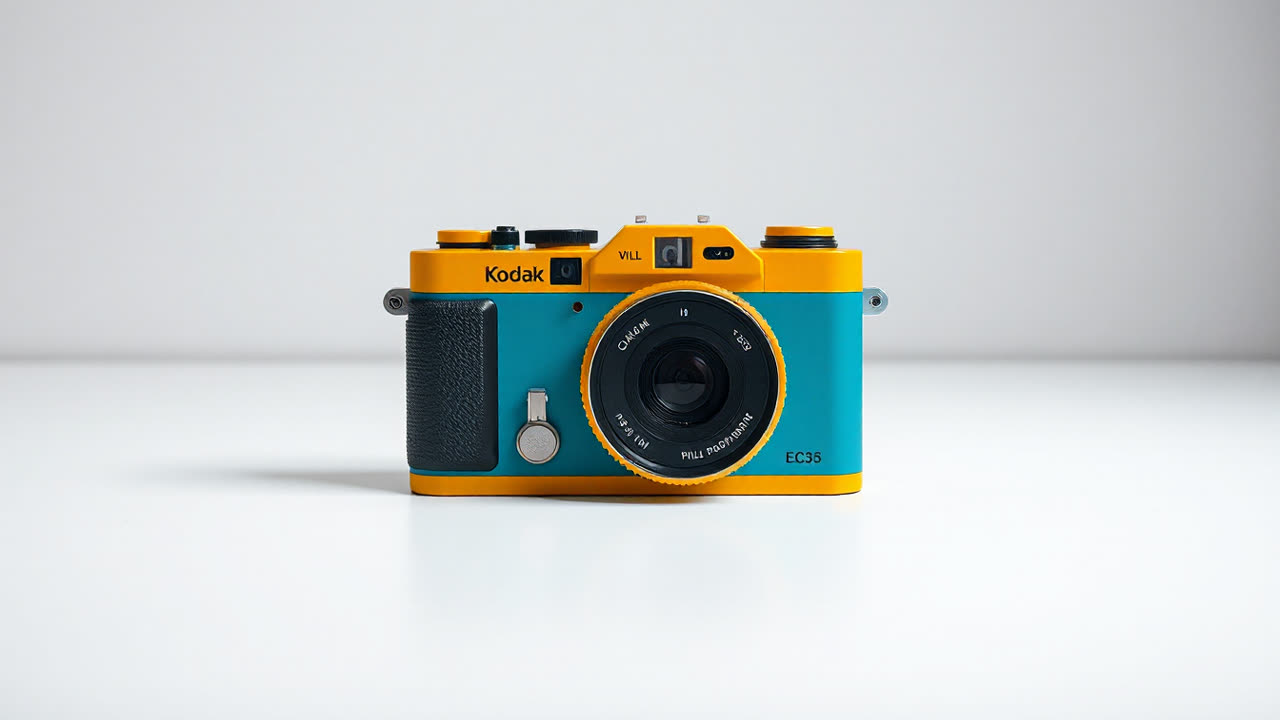
The Kodak EC35, a pocketable, beginner-friendly 35mm film camera retailing at just $35, signals Kodak’s strategic re-entry into the accessible analog photography market, aiming to capture a burgeoning demographic of new film enthusiasts. This entry-level offering, available in seven vibrant colors and featuring a protective slide cover, represents more than just a new product; it's a calculated move to democratize film photography, which has seen a significant resurgence, particularly among younger generations. The EC35 strips away complexity, offering a fixed-focus lens, a built-in flash, and a design philosophy centered on simplicity, making the often-intimidating world of film photography approachable for those accustomed to the instant gratification of smartphone cameras.
The EC35’s impact on users is profound, lowering the financial and experiential barrier to entry for film photography. For years, newcomers have faced a choice between expensive, often complex vintage cameras, or single-use disposable cameras that contribute significantly to waste and offer limited control. The EC35 carves out a middle ground, providing a reusable, affordable option that encourages experimentation without a steep learning curve. Its fixed-focus lens and automatic flash make it nearly point-and-shoot, allowing users to concentrate on composition and the unique aesthetic of film rather than technical settings. This accessibility is crucial for Gen Z and younger millennials who are increasingly drawn to film for its tangible output, nostalgic charm, and the deliberate process it encourages, a stark contrast to the endless digital scroll. The camera's low price point also mitigates the initial investment risk, allowing curious photographers to dip their toes into film without committing hundreds of dollars to a hobby they might not stick with.
For the industry, the Kodak EC35 is a significant disruptor, potentially reshaping the landscape of entry-level film hardware. While disposable cameras have seen a steady demand, particularly for events and casual use, the EC35 offers a more sustainable and ultimately more rewarding alternative. It directly competes with the burgeoning market of reusable, often rebranded, single-use camera alternatives that typically retail at similar or slightly higher price points. By offering a genuine Kodak-branded product at this price, the company leverages its heritage and trust, potentially drawing consumers away from lesser-known brands or more expensive refurbished vintage models. This move could stimulate demand for 35mm film rolls, processing services, and accessories, benefiting the entire analog ecosystem. Film manufacturers, labs, and even independent camera stores stand to gain from a larger, more engaged user base entering the hobby through such an accessible gateway. The EC35’s success could also encourage other manufacturers to invest in developing new, affordable film cameras, moving beyond the current reliance on vintage gear and disposable options.
Historically, Kodak has been synonymous with film photography, but its journey through the digital revolution saw it largely cede the consumer camera market. The EC35 represents a strategic pivot, not to compete with digital, but to embrace the unique niche that film now occupies. It’s a stark contrast to the sophisticated, often costly, digital mirrorless cameras dominating the photography market today. Compared to its own predecessors, the EC35 is a spiritual successor to the simple, fixed-lens point-and-shoots of the late 20th century, but reimagined for a modern audience with an emphasis on minimalist design and user-friendliness. While it doesn't boast the optical prowess of high-end vintage SLRs or the versatility of digital, its strength lies in its unpretentious approach and sheer affordability. Rivals in the new film camera market, such as offerings from Ilford or Lomography, often target a slightly more enthusiast crowd or carry a higher price tag. The EC35’s direct competition is primarily other sub-$50 reusable film cameras, many of which lack Kodak's brand recognition or widespread distribution.
Looking ahead, the Kodak EC35’s success could dictate the future direction of entry-level film cameras. If it proves to be a commercial hit, we can expect to see an influx of similar, budget-friendly film cameras from various brands, potentially leading to more innovation in this segment. Kodak itself might expand the EC35 line with incremental improvements, perhaps offering models with slightly more advanced features like rudimentary aperture control or different fixed focal lengths, while still maintaining the core ethos of simplicity and affordability. The long-term viability of film photography hinges not just on the availability of film stock, but also on the accessibility of the hardware to shoot it. The EC35 directly addresses this, ensuring that new generations can experience the unique magic of analog image-making without significant financial hurdles. This camera is more than just a nostalgic nod; it’s a forward-looking product that understands the current market appetite for authenticity and tangible experiences, positioning Kodak to play a pivotal role in the ongoing analog renaissance. Its true legacy may not be in groundbreaking technology, but in serving as the welcoming mat for countless new photographers into the enduring art of film.