Legato Unveils AI Hearing Glasses, Disrupting Traditional Aid Market
Legato's unveiling of its AI hearing glasses marks a significant paradigm shift in accessible hearing care, directly challenging the entrenched high costs, physical discomfort, and pervasive social stigma associated with conventional hearing aids.
✨ This content was summarized and interpreted by AI; it may contain errors — please verify accuracy with the original sources. Learn more
Listen to this story
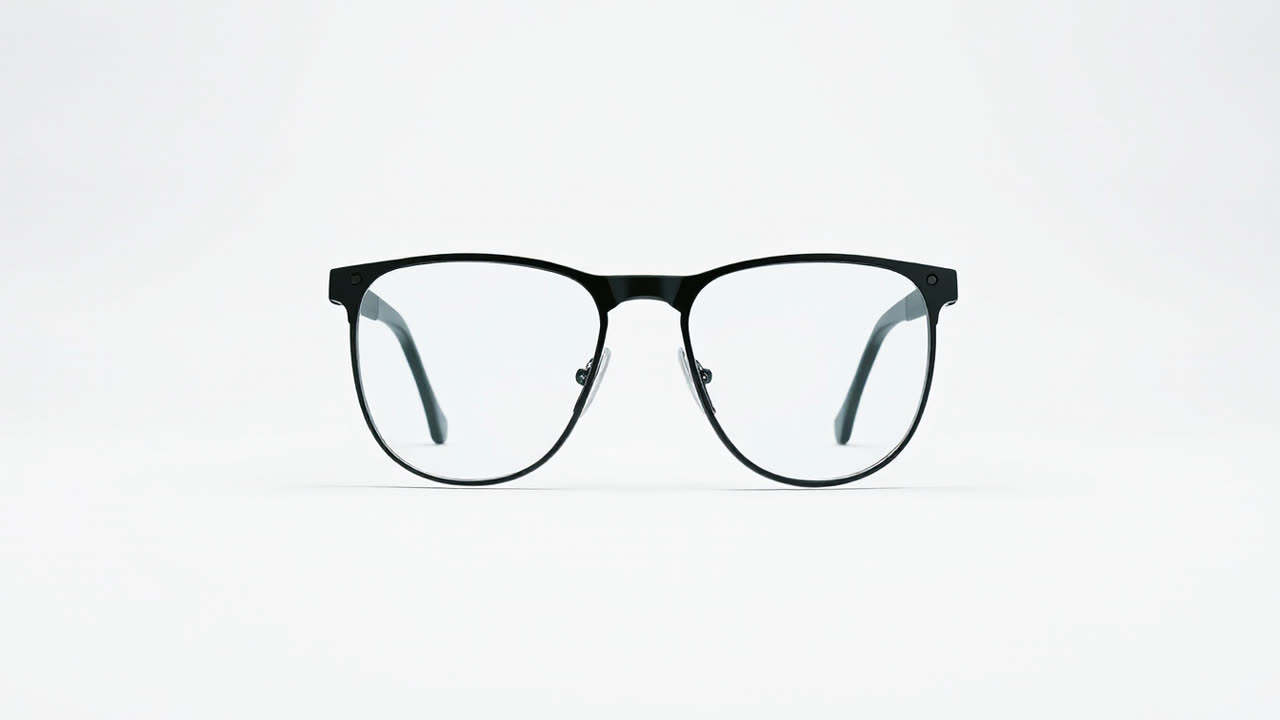
Legato's unveiling of its AI hearing glasses marks a significant paradigm shift in accessible hearing care, directly challenging the entrenched high costs, physical discomfort, and pervasive social stigma associated with conventional hearing aids. Priced at an introductory $1,499, the Legato glasses integrate advanced AI processing directly into a discreet eyewear form factor, aiming to democratize superior auditory assistance for millions globally. This strategic pricing significantly undercuts the average cost of traditional premium hearing aids, which can often exceed $5,000 per pair, making high-fidelity hearing support a tangible reality for a broader demographic.
The core innovation lies in Legato's proprietary AI engine, which dynamically analyzes ambient soundscapes in real-time, distinguishing speech from background noise with unprecedented precision. Unlike static amplification systems or even sophisticated multi-channel processing in traditional aids, Legato's AI can adapt to complex acoustic environments, such as bustling restaurants or crowded public spaces, to deliver clearer conversations and a more natural sound experience. This intelligent filtering and enhancement occur seamlessly within the glasses, eliminating the need for bulky behind-the-ear or in-canal devices that often draw unwanted attention. The integrated microphones are strategically placed to mimic natural ear acoustics, providing spatial awareness that many hearing aids struggle to replicate, thereby improving localization of sound sources. Furthermore, the glasses are designed to be lightweight and comfortable for all-day wear, addressing a primary complaint of many hearing aid users who experience irritation or fatigue.
This launch is particularly impactful because it directly confronts the three major barriers to hearing aid adoption. Firstly, the cost barrier has historically prevented up to 80% of individuals with hearing loss from seeking intervention, even in developed nations. Legato's sub-$1,500 price point, coupled with potential for over-the-counter (OTC) sales channels, could dramatically expand market access, particularly for the mild-to-moderate hearing loss segment. Secondly, comfort remains a significant hurdle; traditional devices, especially custom-fit in-ear models, can cause discomfort, occlusion effects, or psychological resistance due to their intrusive nature. By embedding the technology within a familiar accessory, Legato offers a non-invasive solution that feels more like wearing spectacles than a medical device. Thirdly, and perhaps most critically, the stigma associated with visible hearing aids often deters individuals, especially younger adults, from addressing their hearing loss. The Legato glasses cleverly disguise their function, presenting as fashionable eyewear rather than an overt sign of disability, thereby removing a powerful psychological barrier to adoption.
Compared to existing solutions, Legato's offering sits at the intersection of consumer electronics and medical devices. While companies like Bose and Nuheara have experimented with hearables that offer some degree of amplification, their primary focus has often been on audio consumption rather than comprehensive hearing correction, and their AI capabilities for dynamic sound processing are typically less advanced than Legato’s dedicated system. Traditional hearing aid manufacturers, such as Phonak and Oticon, have made strides in miniaturization and connectivity, but their core designs remain distinct and often carry a higher price tag due to established medical device regulatory pathways and distribution models. Legato's direct-to-consumer approach, facilitated by its discrete form factor and competitive pricing, positions it as a disruptive force, potentially forcing incumbents to innovate faster on both technology and business models. The integration of AI also represents a leap beyond the often-static programming of older hearing aids, offering a more personalized and adaptive listening experience.
Looking ahead, Legato's success hinges on several factors. Widespread adoption will depend on clinical validation and user testimonials confirming the efficacy and comfort of the AI processing in diverse real-world scenarios. Expanding prescription and fitting options, perhaps through partnerships with audiologists, will be crucial for addressing more complex hearing loss profiles. Furthermore, the burgeoning market for augmented reality (AR) glasses presents a synergistic future for Legato. As AR glasses become more commonplace, integrating advanced hearing assistance could become a standard feature, blurring the lines between communication, information, and sensory augmentation. Future iterations could incorporate biometric sensors for health monitoring, further enhancing the utility and appeal of the glasses beyond just hearing correction. The challenge will be to maintain a balance between advanced features and user-friendly simplicity, ensuring the technology remains accessible and intuitive. If Legato can successfully navigate these challenges, its AI hearing glasses could not only redefine the hearing aid market but also set a new standard for how technology integrates seamlessly into daily life to address fundamental human needs.