Lenovo's Yoga Slim 7i Ultra Aura Edition: Exquisite Design, Questionable Value
Lenovo's Yoga Slim 7i Ultra Aura Edition, launched in early 2026, emerges as a paradox in the premium ultralight laptop segment: a device lauded for its exquisite design and vibrant display, yet consistently criticized for a price tag that often outstrips its performance against fierce competition.
✨ This content was summarized and interpreted by AI; it may contain errors — please verify accuracy with the original sources. Learn more
Listen to this story
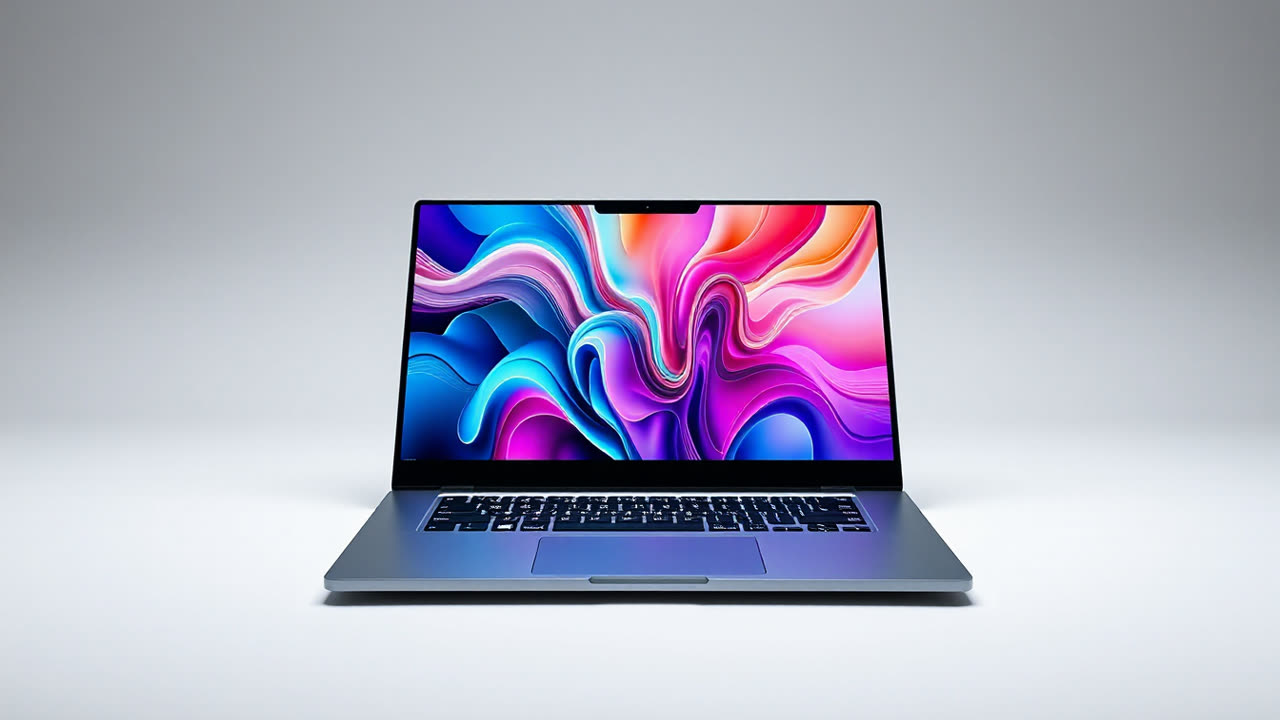
Lenovo's Yoga Slim 7i Ultra Aura Edition, launched in early 2026, emerges as a paradox in the premium ultralight laptop segment: a device lauded for its exquisite design and vibrant display, yet consistently criticized for a price tag that often outstrips its performance against fierce competition. Announced at CES 2026 and rolling out from February 6th, the 14-inch clamshell notebook embodies Lenovo's ambition for AI-powered, ultraportable computing, but its premium positioning at up to $2,250 for top-tier configurations demands scrutiny.
The Yoga Slim 7i Ultra Aura Edition's most striking attributes are immediately apparent. Weighing a mere 975 grams (2.15 pounds), its magnesium aluminum alloy chassis, finished with a smooth, fingerprint-resistant "Yoga coating," delivers an undeniable sense of luxury and portability. The centerpiece is its 14-inch PureSight Pro POLED display, boasting a sharp 2.8K (2880 x 1800) resolution, a fluid 120Hz refresh rate, and an astounding 1100 nits of peak brightness, further enhanced by Dolby Vision and DisplayHDR True Black 1000 certification. This display is a genuine highlight, offering exceptional color accuracy (100% sRGB, P3, Adobe RGB) and visual fidelity for creative professionals and multimedia enthusiasts alike. Powering this sleek package are Intel's Core Ultra processors, typically the Core Ultra 7 355 variant with 32GB of soldered LPDDR5X-7467MT/s RAM and up to 2TB of PCIe Gen 4 storage, alongside integrated Intel graphics. A 75Whr battery promises all-day endurance, complemented by rapid charging capabilities.
However, the "way too expensive" sentiment from the initial Engadget prompt resonates strongly with contemporary reviews. While one reviewer, amidst a "RAM apocalypse," deemed its $1,629.99 starting price for a 32GB RAM/1TB SSD configuration a "bargain", others found its value proposition challenging. Configurations featuring the Intel Core Ultra 7 355, 32GB RAM, and 1TB SSD are listed at $2,050 on Lenovo's store, escalating to $2,250 for a 2TB SSD variant. This pricing pits the Yoga Slim 7i Ultra Aura Edition against formidable rivals that often deliver superior performance or comparable features for less. For instance, the 13-inch Apple MacBook Air (M5) starts at a more accessible $1,299, offering excellent performance with Apple silicon. The MSI Prestige 14 Flip AI Plus, another Intel-based ultralight, reportedly outperforms the Yoga Slim 7i Ultra in various benchmarks and starts at a lower $1,800. Even Dell's XPS 14, while heavier at 3 pounds, boasts an impressive 21-hour battery life and is available at a cheaper price point. Lenovo's own Yoga Slim 7x (2026), powered by a Snapdragon X2 Elite processor, offers up to 32GB RAM and 1TB storage for around $1,000, presenting a compelling value alternative within the same brand.
The "Aura Edition" branding itself signifies Lenovo's commitment to AI-focused laptops, leveraging Intel Core Ultra processors for enhanced efficiency and AI-assisted workloads. Yet, reviewers have noted that the performance of the Core Ultra 7 355 in the Yoga Slim 7i Ultra is "midpack" or "so-so", especially when considering its lofty price. This creates a critical disconnect: a premium price for a visually stunning machine that doesn't always lead its class in raw computational power. Furthermore, Lenovo's design choices, such as the omission of an HDMI port and the 3.5mm headphone jack in favor of a third Thunderbolt 4 port, are "curious" and may alienate users who rely on traditional connectivity. While streamlining ports can contribute to a thinner profile, it also necessitates dongles for common peripherals, adding friction to an otherwise premium experience.
Looking ahead, the ultralight laptop market in 2026 is intensely competitive, driven by advancements in AI-optimized processors from Intel (Core Ultra), AMD (Ryzen AI), and Qualcomm (Snapdragon X). The emphasis is firmly on balancing power, efficiency, and portability. While the Yoga Slim 7i Ultra Aura Edition excels in its display and featherlight design, its current performance-to-price ratio is a significant hurdle. Lenovo's strategy with the "Aura Edition" is clear: to position these devices at the forefront of AI integration and premium user experience. However, for this vision to fully materialize and gain wider market acceptance, Lenovo may need to recalibrate its pricing or significantly boost the baseline performance, especially as competitors offer increasingly compelling alternatives. The future success of the Yoga Slim 7i Ultra Aura Edition, and subsequent models in the Aura line, will hinge on whether Lenovo can deliver not just a premium feel, but also unequivocally class-leading performance and value that truly justifies its top-tier cost in an evolving, AI-centric computing landscape.