Lenovo Unveils World's First Laptop with Inkjet-Printed OLED Display
Lenovo's new Legion R9000P is the world's first laptop to feature an inkjet-printed (IJP) OLED display, signaling a potential paradigm shift in high-performance laptop screens.
✨ This content was summarized and interpreted by AI; it may contain errors — please verify accuracy with the original sources. Learn more
Listen to this story
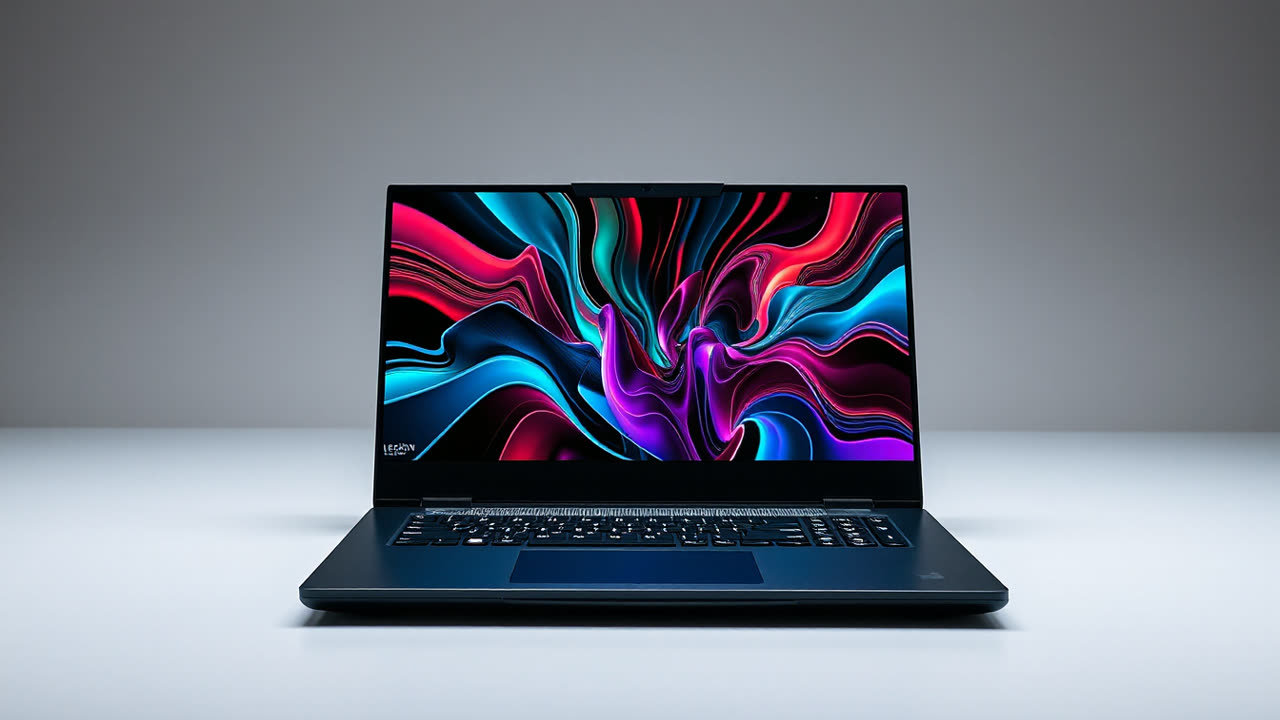
Lenovo has unveiled the Legion R9000P, the world's first laptop to feature an inkjet-printed (IJP) OLED display, signaling a potential paradigm shift in high-performance laptop screens. This groundbreaking 240 Hz panel, supplied by TCL CSOT, promises 99% DCI-P3 color gamut coverage at a significantly reduced cost compared to traditionally manufactured OLEDs, democratizing premium visual experiences for a broader gaming and professional audience.
The introduction of IJP OLED technology addresses one of the primary hurdles to widespread OLED adoption in laptops: cost. Traditional OLED manufacturing, predominantly utilizing fine metal mask (FMM) evaporation, is an intricate and expensive process, especially for larger panels, leading to premium pricing for devices equipped with such screens. IJP OLED, in contrast, deposits organic light-emitting materials directly onto the substrate using an inkjet-like process, drastically reducing material waste and simplifying production steps. This efficiency gain is expected to translate into more affordable high-refresh-rate OLED laptops, pushing their accessibility beyond the niche luxury segment they currently occupy. The 240 Hz refresh rate combined with OLED's inherent advantages—infinite contrast, true blacks, and instantaneous pixel response times—delivers an unparalleled visual fluidity crucial for competitive gaming and detailed content creation.
For users, this means access to a superior display technology that was once prohibitively expensive. Gamers will benefit from the blur-free motion and vibrant colors, potentially gaining a competitive edge, while creative professionals will appreciate the color accuracy and deep blacks for photo and video editing. The lower cost of IJP OLEDs could also enable manufacturers to integrate these high-quality displays into a wider range of laptop models, moving beyond top-tier gaming or workstation machines. This development challenges the current landscape dominated by Mini-LED and conventionally manufactured OLEDs, offering a compelling alternative that balances performance and price. While Mini-LED panels offer excellent brightness and contrast through local dimming zones, they can still suffer from blooming artifacts and don't achieve the perfect black levels of OLED. Current FMM-evaporated OLED panels, like those found in high-end Dell XPS or Samsung Galaxy Book models, deliver superb image quality but typically come with a substantial price premium. TCL CSOT's IJP OLED directly competes by offering comparable, if not superior, visual performance at a fraction of the manufacturing cost.
The industry impact extends beyond mere price reduction. This move by Lenovo and TCL CSOT validates inkjet printing as a viable, scalable technology for large-panel OLED production, potentially accelerating its adoption across other display segments, including monitors and televisions. Historically, the challenges for IJP OLED have included achieving uniform pixel density and precise material deposition, but TCL CSOT's success with this 240 Hz panel suggests these hurdles are being overcome. This could spur further innovation in IJP technology from other display manufacturers, fostering a more competitive and dynamic market. The partnership between Lenovo, a major laptop OEM, and TCL CSOT, a leading display manufacturer, also highlights a strategic alignment to drive forward next-generation display solutions.
Looking ahead, the Legion R9000P's IJP OLED display is merely the vanguard. We can anticipate other laptop manufacturers to quickly explore similar IJP OLED integrations, particularly as TCL CSOT ramps up production and potentially other display makers license or develop their own IJP capabilities. The immediate future will likely see IJP OLEDs becoming a standard feature in the mid-to-high-range gaming laptop segment, pushing down the overall cost of high-refresh OLED panels across the board. Further refinements in IJP technology could lead to even higher refresh rates, improved brightness, and greater energy efficiency. The long-term outlook suggests IJP OLED could become the dominant manufacturing method for a significant portion of the OLED market, potentially even challenging the established FMM evaporation methods for smaller displays if cost advantages remain substantial. This technology is not just an incremental upgrade; it represents a fundamental shift in how premium laptop displays are made and priced, ultimately benefiting consumers with more accessible, cutting-edge visual experiences.