Lexus's 2027 ES Electric Sedan to Start Under $50,000, Disrupting Luxury EV Market
Lexus is set to redefine the premium electric vehicle segment with its 2027 ES all-electric sedan, projected to launch with an aggressive starting price below $50,000.
✨ This content was summarized and interpreted by AI; it may contain errors — please verify accuracy with the original sources. Learn more
Listen to this story
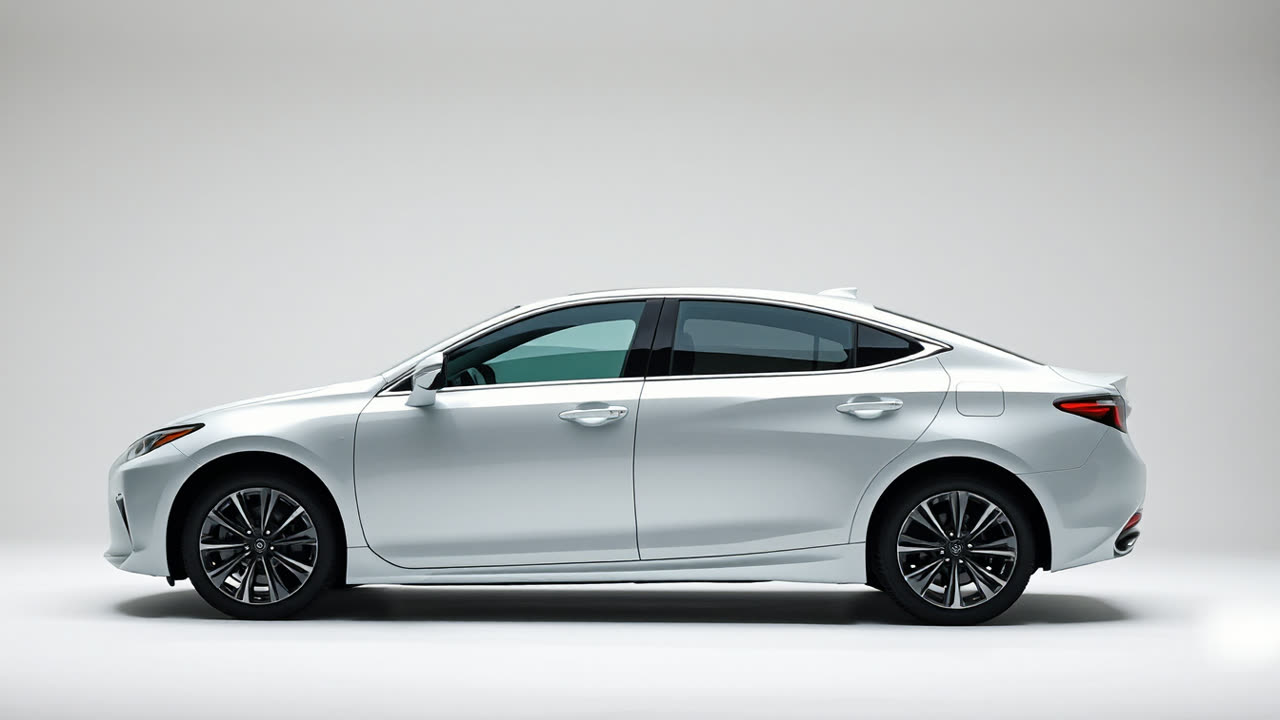
The 2027 Lexus ES, an all-electric iteration of the brand's perennial luxury sedan, is poised to disrupt the premium EV segment with a starting price projected to be under $50,000. This aggressive pricing strategy from Lexus, a division of Toyota, signals a significant pivot in the luxury electric vehicle landscape, aiming to broaden accessibility to premium EV ownership and directly challenge established and emerging rivals.
This sub-$50,000 entry point for a luxury EV is a game-changer, particularly when compared to the current market. Competitors like the BMW i4 eDrive35 typically start around $52,200, while the Mercedes-Benz EQE 350+ sedan commands a significantly higher entry price, often above $76,000. Even the Tesla Model 3 Long Range, a key electric sedan benchmark, currently hovers around the mid-$40,000 to low-$50,000 range, depending on configuration and incentives, placing the Lexus ES in direct competition on price while potentially offering a more traditional luxury experience. Genesis's Electrified G80, another compelling luxury EV, starts well over $70,000, further highlighting the Lexus ES's competitive edge. By positioning the ES below these price points, Lexus is not merely offering an alternative; it is redefining the value proposition in the luxury EV market, potentially drawing in consumers who previously found premium electric vehicles financially out of reach.
For users, this means a more attainable entry into the world of luxury electric mobility, without compromising on the renowned Lexus hallmarks of reliability, refined comfort, and sophisticated design. A price under $50,000 also opens the door to potential federal tax credits in markets like the United States, which could further reduce the effective purchase price, making it an even more compelling option against internal combustion engine (ICE) luxury sedans. This affordability, combined with the expected lower running costs of an EV, could significantly lower the total cost of ownership for a luxury vehicle, appealing to a broader demographic seeking sustainable yet opulent transportation. The return of the ES nameplate as an all-electric model also leverages significant brand recognition, providing a familiar and trusted entry point for existing Lexus owners considering the switch to electric.
From an industry perspective, Lexus's move is a powerful statement about the increasing cost-effectiveness of EV manufacturing and the intensifying competition in the luxury segment. Toyota, Lexus's parent company, has historically been more conservative in its full-electric vehicle rollout, focusing heavily on hybrid technology. However, the introduction of a competitively priced, all-electric ES demonstrates a clear acceleration of their EV strategy, signaling a more aggressive stance in the global race for EV dominance. This could force other luxury automakers to re-evaluate their own pricing structures and product roadmaps, potentially leading to a broader downward trend in luxury EV prices and an increase in feature sets as manufacturers vie for market share. The ES's success could also validate the strategy of electrifying established, popular nameplates rather than introducing entirely new, bespoke EV models, offering a path for other brands to transition their core lineups.
The 2027 ES is expected to leverage advancements in Toyota's dedicated EV platforms, such as the e-TNGA architecture, or a successor designed for enhanced efficiency and range. While specific performance figures are yet to be fully disclosed, the prior generation ES, as an ICE vehicle, was celebrated for its smooth ride and quiet cabin. The electric ES is anticipated to build on these strengths, offering instant torque, even quieter operation, and a potentially longer wheelbase for improved interior space, further elevating the luxury experience. Its primary challenge will be to offer a compelling range and charging infrastructure experience that rivals market leaders like Tesla and Hyundai/Kia, which have set high benchmarks for charging speeds and network reliability.
Looking ahead, the 2027 Lexus ES undercutting its rivals marks a critical inflection point. It suggests that the luxury EV market is maturing, moving beyond early adopter pricing premiums towards more mainstream accessibility. This strategic pricing could accelerate EV adoption rates within the luxury segment, pushing brands to innovate not just in technology and performance, but also in affordability and value. We can anticipate other luxury brands responding with similar price adjustments or enhanced offerings to maintain competitiveness. Furthermore, this move by Lexus could pave the way for a broader range of competitively priced electric vehicles across Toyota's luxury portfolio, potentially including electric SUVs and performance models, solidifying their position as a major player in the electrified future of automotive luxury. The battle for the luxury EV consumer is intensifying, and Lexus has just fired a significant opening salvo.