Lexus TZ to Launch Under $65,000 with 315-Mile Range, Challenging Luxury EV Rivals
Lexus's new 2027 TZ electric SUV enters the premium market with a sub-$65,000 starting price and an impressive 315-mile range, aiming to redefine value and competition.
✨ This content was summarized and interpreted by AI; it may contain errors — please verify accuracy with the original sources. Learn more
Listen to this story
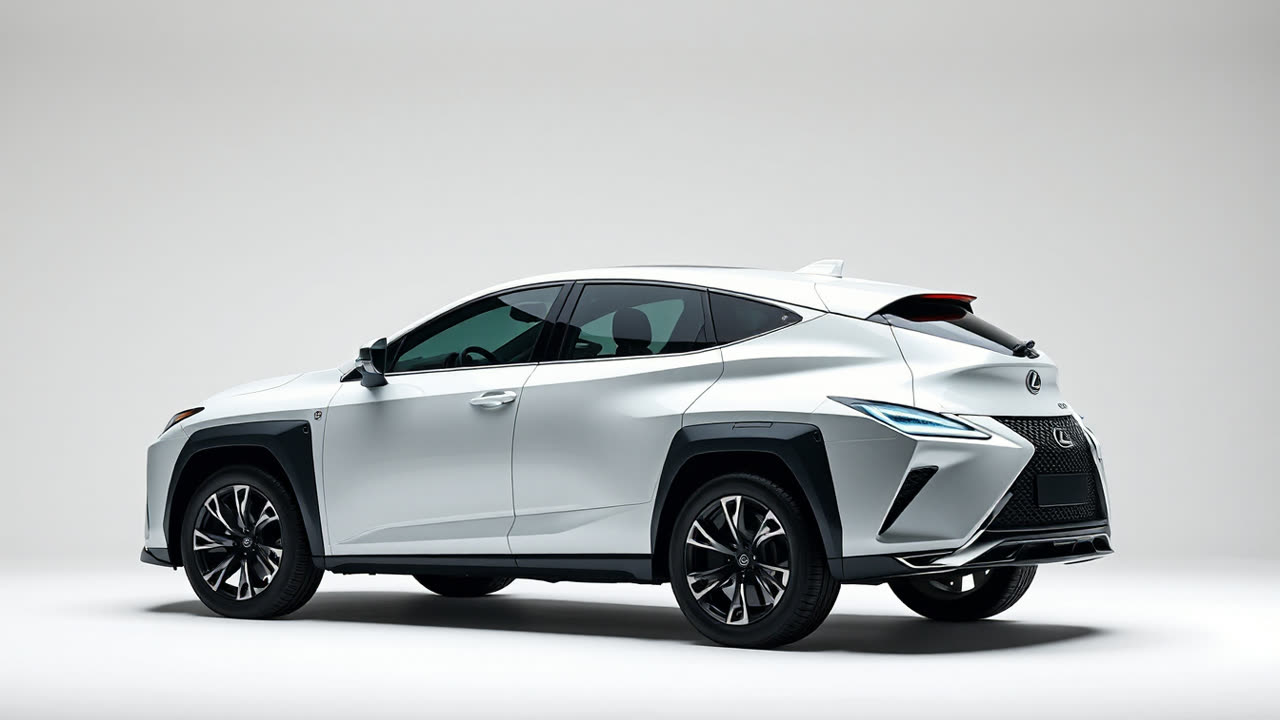
The 2027 Lexus TZ, launching later this year with a starting price under $65,000 and an estimated range of up to 315 miles, marks a pivotal moment for Lexus, signaling a more aggressive and competitive entry into the burgeoning premium electric SUV segment. This strategic pricing, coupled with a highly respectable range figure, directly addresses two of the primary barriers to broader EV adoption: cost and range anxiety, positioning the TZ as a compelling alternative to established luxury electric crossovers. It represents a significant evolution from Lexus's earlier, more conservative electric offerings, such as the RZ 450e, which, while luxurious, faced criticism for its comparatively limited range of around 220 miles and a starting price that often hovered above direct competitors for similar specifications.
The sub-$65,000 entry point is particularly impactful, placing the TZ squarely against the higher trims of the Tesla Model Y, which can exceed this price, and undercutting many European luxury rivals like the BMW iX, Mercedes-Benz EQE SUV, and Audi Q8 e-tron, whose base models often start well above $70,000. For instance, a base BMW iX xDrive50 typically starts around $87,000, while the Mercedes-Benz EQE SUV begins closer to $78,000. This aggressive pricing strategy from Lexus could force competitors to re-evaluate their own entry-level luxury EV pricing, potentially accelerating a market-wide adjustment towards more accessible premium electric vehicles. The 315-mile range is also highly competitive, surpassing the standard range offerings of many rivals and aligning closely with the long-range variants of vehicles like the Tesla Model Y Long Range, which offers around 310 miles. This blend of value and capability makes the TZ a formidable contender, appealing to a wider demographic of luxury buyers who might have previously found premium EVs out of reach or compromised on range.
Lexus's move reflects a broader strategic shift within parent company Toyota, which has often been perceived as cautious in its full-electric vehicle rollout, prioritizing a multi-pathway approach including hybrids and hydrogen fuel cells. The TZ’s specifications suggest a more confident embrace of battery electric technology, likely leveraging advancements in battery density and thermal management systems developed across the Toyota Group. While specific battery chemistry and platform details for the TZ are yet to be fully disclosed, it is anticipated to utilize an evolved version of the e-TNGA platform, shared with other Toyota and Lexus EVs, but optimized for greater efficiency and packaging. This optimization is crucial for achieving the advertised range without significantly increasing battery size or vehicle weight, which would drive up costs. The success of the TZ could validate Toyota's patient, methodical approach to electrification, demonstrating that a well-executed product with compelling specs can still capture market share even after competitors have established an early lead.
For consumers, the TZ offers the renowned Lexus hallmarks of reliability, refined interiors, and a plush ride, now combined with a practical electric powertrain. The sub-$65,000 price point, before potential federal tax credits, makes premium EV ownership more attainable, potentially drawing buyers away from internal combustion engine luxury SUVs and accelerating the transition to electric. The focus on a comfortable, quiet cabin experience, often a strong suit for Lexus, is expected to be amplified in the electric platform, further enhancing the luxury perception. Furthermore, Lexus's established dealer network and reputation for customer service provide a tangible advantage over newer EV startups, offering buyers a familiar and reassuring ownership experience as they transition to electric vehicles.
Looking ahead, the 2027 Lexus TZ is poised to significantly reshape the competitive landscape of the premium electric SUV market. Its strong value proposition will likely intensify competition, potentially leading to price adjustments and accelerated innovation from rivals. This aggressive entry by Lexus signals that the luxury EV market is maturing, with brands increasingly focusing on delivering compelling products at competitive prices rather than relying solely on early-adopter enthusiasm. The TZ's performance will also be a key indicator of Lexus's commitment to its long-term electrification goals, potentially paving the way for a broader portfolio of competitively priced and ranged electric vehicles across various segments. If the TZ delivers on its promises of range, luxury, and reliability at its announced price point, it could firmly establish Lexus as a significant player in the global electric vehicle transition, challenging the established hierarchy and setting new benchmarks for value in the luxury EV space.