LG Smart TVs Caught Scanning Home Networks Offline, Igniting Major Privacy Concerns
LG smart televisions have been definitively shown to actively scan local area networks for third-party devices even when offline, sparking significant user privacy concerns.
✨ This content was summarized and interpreted by AI; it may contain errors — please verify accuracy with the original sources. Learn more
Listen to this story
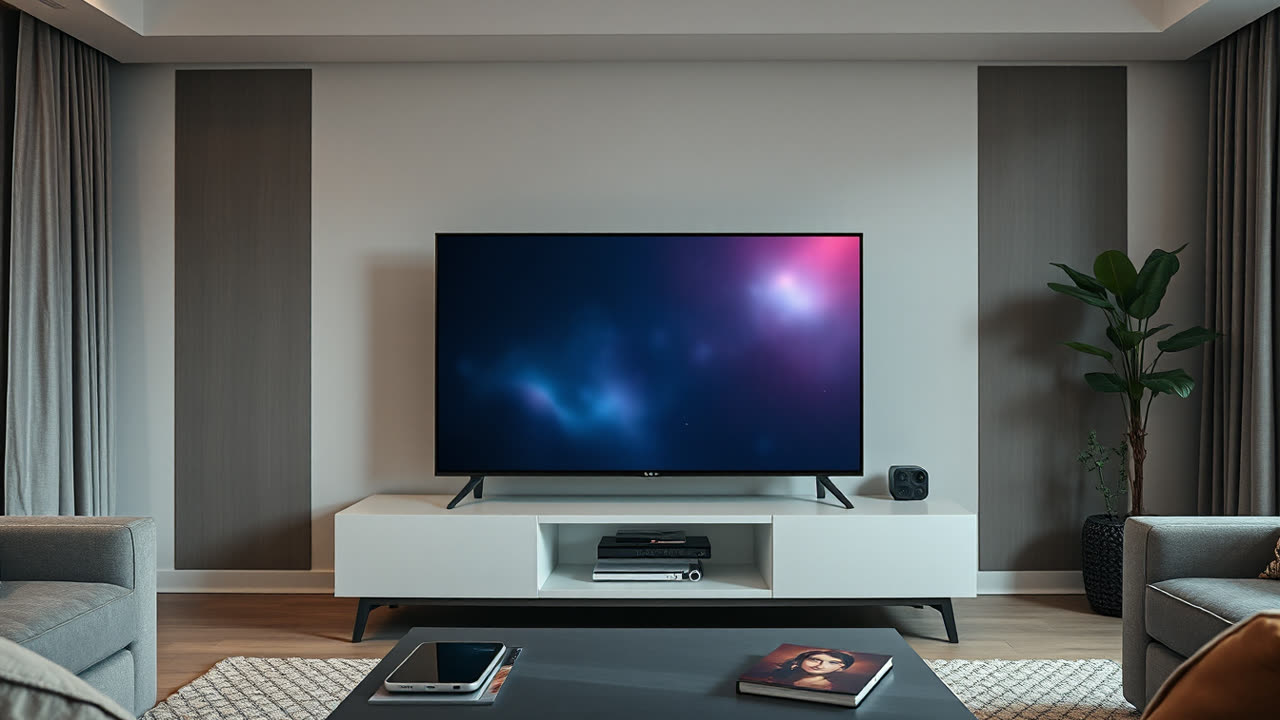
An LG smart television has been definitively shown to actively scan its local area network (LAN) for third-party phones and other devices, even when the television itself is purportedly offline, raising significant concerns about user privacy and the pervasive nature of data collection in modern consumer electronics. This revelation, detailed in a recent Ars Gadgets report, highlights a deeply unsettling trend where devices designed for entertainment become silent auditors of the entire home network, with the chilling observation that "It doesn’t cost a lot to store text forever" underscoring the potential for indefinite data retention and analysis.
The core discovery centers on specific LG TV models, though the full breadth of affected devices remains under investigation, exhibiting behavior that goes far beyond typical smart TV functionality. Instead of merely accessing internet services or interacting with paired accessories, these televisions are performing broad network reconnaissance, identifying and potentially cataloging every connected gadget, from smartphones and tablets to smart speakers and other IoT devices. This activity persists even when the user has explicitly opted out of data sharing or disconnected the TV from the internet, suggesting a deeply embedded and persistent data collection mechanism that operates independently of user-configured privacy settings. The technical implications are profound: a device ostensibly offline is still active within the user's private network, creating a detailed inventory of their digital ecosystem without explicit consent or even awareness. This granular insight into a user's device landscape could be invaluable for targeted advertising, behavioral profiling, or even more concerning, for creating a comprehensive digital footprint that extends beyond the television's immediate usage.
This aggressive data harvesting represents a significant escalation in smart device surveillance, fundamentally altering the user-device relationship. For consumers, it means that the privacy of their entire home network is compromised by a single appliance. The presence of a smart TV, once a gateway to entertainment, now potentially transforms into a passive, always-on scanner that maps out their digital lives. This erosion of privacy extends beyond individual users to their entire household, impacting guests and family members whose devices are also within the TV's scanning range. The "it doesn't cost a lot to store text forever" quote from the Ars Gadgets piece succinctly captures the economic incentive behind such practices. With storage costs plummeting, the perceived value of collecting and retaining vast quantities of user data, even seemingly innocuous network topology information, becomes immense for companies seeking to refine user profiles, develop new services, or identify market trends. This data, once collected, can be aggregated, anonymized (or re-anonymized), and potentially sold or shared with third parties, creating an lucrative ecosystem around personal information.
Historically, smart TV privacy concerns have largely revolved around viewing habits, app usage, and voice command data. Previous generations of smart TVs from various manufacturers, including Samsung and Vizio, have faced scrutiny for collecting viewing data and sharing it with advertisers, often leading to class-action lawsuits and regulatory fines. For instance, Vizio settled a privacy lawsuit in 2017 for $17 million over allegations of collecting and selling viewing data without user consent. Similarly, Samsung has faced criticism for its voice recognition features potentially transmitting private conversations. What distinguishes LG's current reported behavior is the shift from *observing* user interaction with the TV to *actively probing* the broader home network for the presence of *other* devices, even offline. This moves beyond content consumption tracking into network topology mapping, a far more intrusive form of data collection that transcends the immediate function of the television itself. While rivals like Samsung and Sony also employ extensive data collection, the reported offline LAN scanning by LG introduces a new dimension of pervasive surveillance not widely publicized or acknowledged by competitors. Most smart TV privacy policies, while broad, typically focus on data generated *through* the TV's operation, not data passively gathered from other devices on the same network when the TV is offline.
Looking ahead, this discovery is likely to ignite renewed calls for stricter consumer privacy regulations and greater transparency from smart device manufacturers. Regulators in Europe, particularly under GDPR, and in California, with CCPA, are already vigilant regarding data collection practices, and this latest development could prompt specific investigations into smart TV manufacturers' network scanning capabilities. The industry may be forced to implement more robust, unambiguous opt-in mechanisms for *all* data collection, especially for activities that extend beyond the device's primary function and into the user's broader network. Furthermore, the incident underscores a critical need for independent auditing of smart device firmware and software, moving beyond self-declarations by manufacturers. Consumers, in turn, will likely become more wary of connecting "smart" devices to their home networks, potentially driving demand for features that offer genuine, verifiable control over data transmission and network activity. The era of passively trusting connected devices to respect the boundaries of the home network may be drawing to a close, replaced by a necessary skepticism and a demand for explicit, transparent control over the digital ecosystem within one's own walls.