LG Smart TVs Face Renewed Scrutiny Over Alleged Persistent Data Collection
LG is once again embroiled in a significant privacy controversy, facing renewed scrutiny over its smart TVs' data collection practices following detailed reports from tech outlets and security researchers.
✨ This content was summarized and interpreted by AI; it may contain errors — please verify accuracy with the original sources. Learn more
Listen to this story
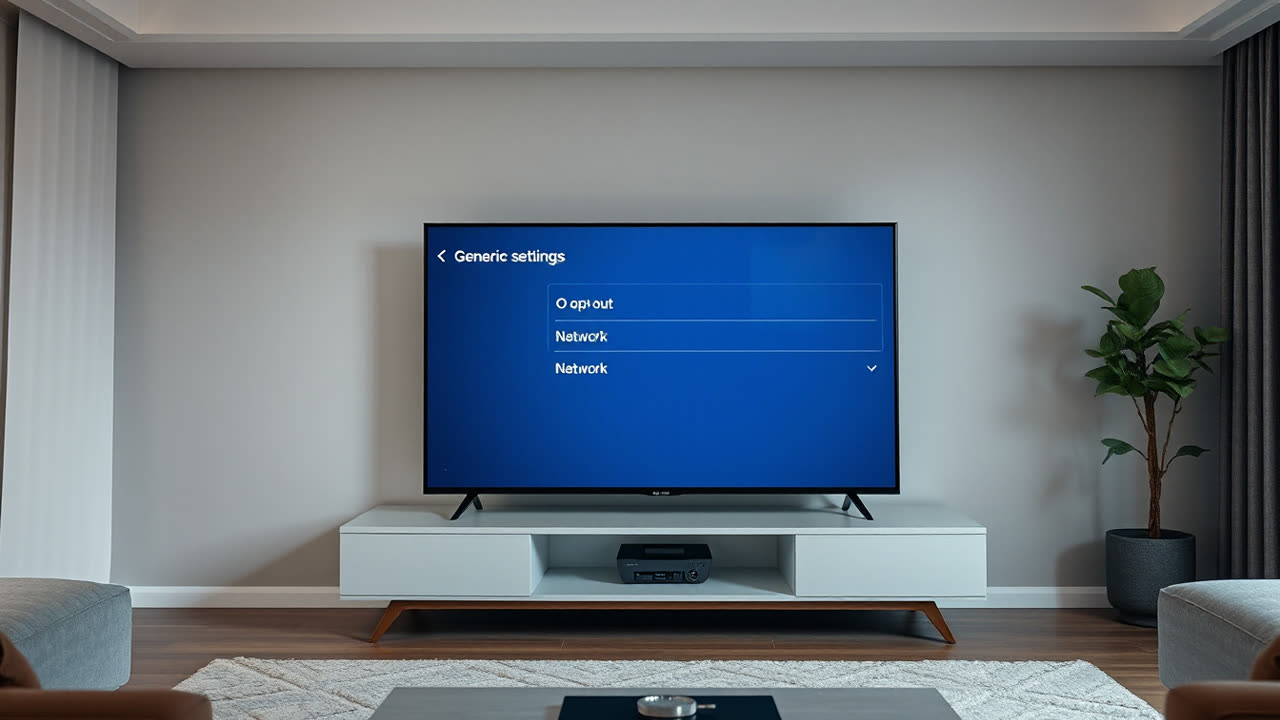
LG is once again embroiled in a significant privacy controversy, facing renewed scrutiny over its smart TVs' data collection practices following recent detailed reports from tech outlets Gamers Nexus and Level1Techs, alongside independent security researchers, detailing alarming findings about user data logging and uploading. This wave of allegations, echoing similar concerns from a decade ago, focuses on the breadth and often opaque nature of data purportedly gathered from LG smart TV users, including viewing habits, app usage, and potentially even device identifiers, which LG is now actively pushing back against.
The core of the recent allegations, as highlighted by Gamers Nexus and Level1Techs, revolves around the persistent collection of user interaction data, even when privacy settings are ostensibly configured to limit such activities. Researchers claim that LG's WebOS platform, found on its smart televisions, continues to transmit data points such as watched programs, application launches, and device metadata to LG's servers, irrespective of user consent or opt-out selections within the TV's privacy menus. This suggests a fundamental disconnect between user expectations of privacy controls and the actual operational reality of the devices. Specifically, Level1Techs demonstrated instances where specific content viewed, down to the minute, was being logged and sent, raising significant concerns about granular tracking. Gamers Nexus further elaborated on the potential for this data to be aggregated and correlated, painting a detailed picture of individual viewing habits that could be highly valuable for targeted advertising and market research.
LG’s response to these fresh claims has been a blend of clarification and defense, emphasizing its adherence to privacy regulations and user consent. The company stated that it collects data primarily for improving user experience, personalizing content recommendations, and for diagnostic purposes, asserting that such data is anonymized and aggregated where possible. However, critics argue that the definition of "anonymized" often falls short of true de-identification, especially when combined with unique device identifiers or IP addresses that can be re-associated with individual households. LG has also pointed to its user agreements and privacy policies, which outline data collection practices, suggesting users implicitly consent by accepting these terms. Yet, the complexity and length of these legal documents often mean users are not fully aware of the extent of data harvesting. This defensive stance, while legally sound in some respects, fails to address the underlying user mistrust stemming from perceived surreptitious data collection, particularly when explicit opt-out mechanisms appear ineffective.
This situation matters profoundly for several reasons. For users, it represents an erosion of digital privacy within the confines of their own homes. Smart TVs, once simple entertainment devices, have evolved into sophisticated data collection endpoints, often without transparent or easily controllable mechanisms for users to manage their personal information. The alleged collection of viewing habits, app usage, and other behavioral data creates a detailed profile that can be exploited for highly targeted advertising, potentially influencing purchasing decisions and even political views. The implications extend beyond marketing; such data, if compromised, could expose sensitive personal information, leading to security breaches and identity theft. The "smart home" vision is predicated on trust, and these allegations severely undermine that trust, potentially making consumers wary of adopting new connected technologies.
For the industry, this renewed controversy poses a significant challenge to the credibility of smart device manufacturers. LG, as a major player in the global TV market, sets a precedent. If its privacy practices are found to be lacking, it casts a shadow over the entire ecosystem of connected devices. This could invite stricter regulatory oversight globally, moving beyond existing frameworks like GDPR and CCPA to impose more stringent requirements on data minimization, explicit consent, and clear, effective opt-out mechanisms. Rivals like Samsung, Sony, and Vizio have also faced similar allegations in the past, suggesting a systemic industry issue rather than an isolated incident. While many smart TV manufacturers collect data for similar purposes, the degree of transparency and the effectiveness of user controls vary widely. The current LG allegations highlight a potential gap where user-configured privacy settings are not honored, a critical flaw that differentiates it from competitors who might, at least on the surface, offer more robust opt-out options. Earlier generations of smart TVs often had rudimentary data collection capabilities, but with the advent of advanced AI-driven recommendation engines and more sophisticated advertising platforms, the scope and granularity of data collection have exponentially increased.
Looking ahead, the fallout from these allegations will likely prompt LG to re-evaluate its privacy architecture and communication strategies. We can anticipate an update to its WebOS platform, likely introducing more granular and transparent privacy controls that are demonstrably effective in limiting data transmission when users opt out. A public commitment to third-party audits of its data collection practices could help restore consumer confidence. Furthermore, this incident will undoubtedly intensify the push for industry-wide best practices and potentially lead to new, more prescriptive legislation regarding smart device privacy. Regulators, particularly in privacy-conscious regions, may view these findings as evidence of insufficient self-regulation, necessitating mandatory data transparency reports and easily understandable privacy dashboards for consumers. The future of smart TVs hinges on manufacturers earning and maintaining user trust; without it, the promise of personalized, intelligent entertainment risks being overshadowed by pervasive privacy concerns, potentially slowing adoption rates for advanced features and services.