Liux’s Big microcar bets on sustainability to take on Chinese rivals
A Spanish startup, Liux, launches its 'Big' electric microcar, aiming to differentiate itself in the crowded market through a radical sustainability ethos against established Chinese competitors.
✨ This content was summarized and interpreted by AI; it may contain errors — please verify accuracy with the original sources. Learn more
Listen to this story
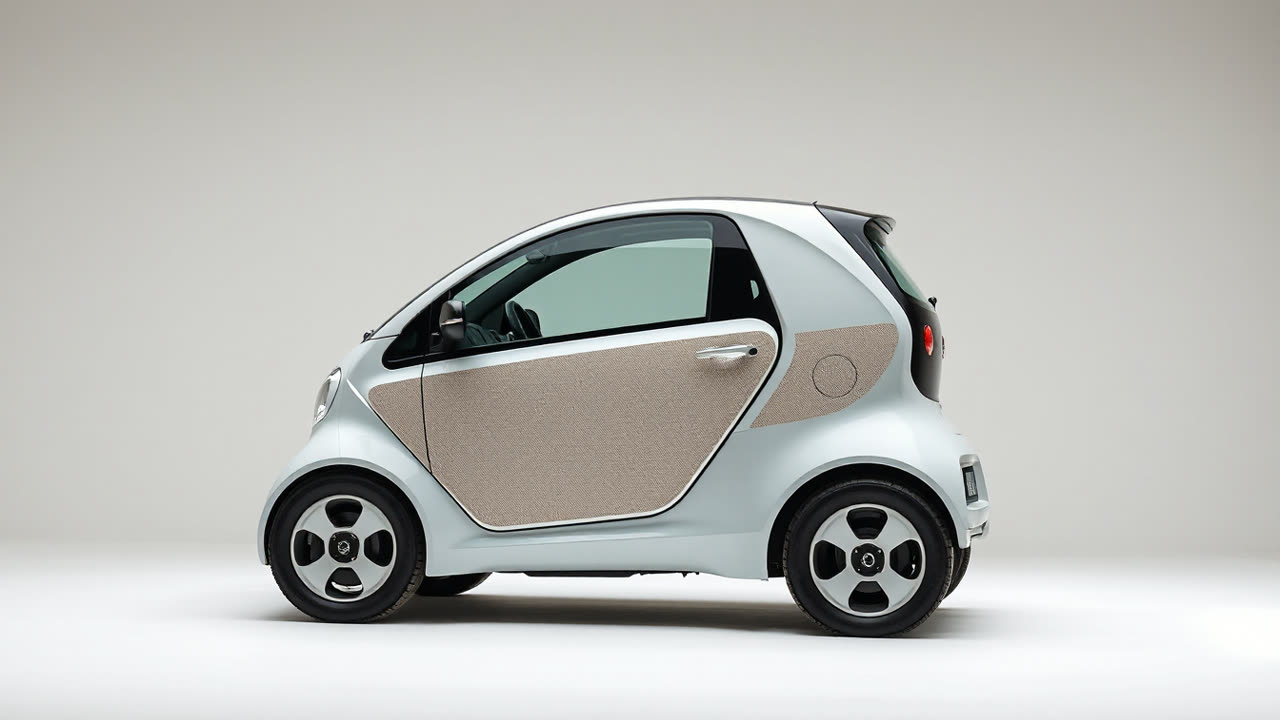
Liux, a Spanish startup, is making a bold play in the increasingly competitive microcar segment with its "Big" model, launching a tiny electric vehicle built around a radical sustainability ethos in an attempt to carve out a niche against a wave of established and emerging Chinese rivals. The Liux Big, set to enter a market already saturated with compact urban mobility solutions, distinguishes itself by prioritizing end-to-end environmental responsibility, from its manufacturing processes in Spain to its material composition and anticipated lifecycle. This strategic bet on sustainability, rather than solely on price or range, represents a significant departure from the typical competitive battlegrounds in the budget-friendly EV space and seeks to attract a discerning segment of environmentally conscious urban consumers.
The core of Liux’s audacious strategy lies in its commitment to sustainable production and materials. The vehicle is reportedly constructed using a high percentage of recycled and bio-based components, aiming to minimize its carbon footprint throughout its entire lifecycle. This includes the use of flax fibers for certain body panels, a departure from conventional plastics or metals, which not only reduces the reliance on petrochemicals but also lowers the energy intensity of production. Manufacturing in Spain, rather than outsourcing to lower-cost regions, further aligns with this sustainability narrative by potentially reducing shipping emissions and allowing for stricter oversight of labor and environmental standards. While specific details on the percentage of recycled content or the exact nature of bio-based materials are still emerging, the company's emphasis on these elements positions it as a frontrunner in truly circular automotive design.
This focus on sustainability is not merely a marketing gimmick; it addresses a growing demand from consumers, particularly in Europe, for products that align with their environmental values. As urban centers increasingly implement low-emission zones and incentivize eco-friendly transport, the appeal of a vehicle that is not only electric but also sustainably produced could resonate strongly. For the industry, Liux's approach challenges the prevailing paradigm of mass production driven by cost efficiencies alone. If successful, it could force larger manufacturers to re-evaluate their supply chains and material choices, potentially accelerating the adoption of more sustainable practices across the automotive sector. This could lead to a shift in how "premium" is defined in the microcar market, moving beyond luxury features to encompass ethical and environmental credentials.
Compared to its rivals, particularly the influx of Chinese microcars like the Wuling Hongguang Mini EV or upcoming models from companies like Chery and BYD, Liux Big is attempting to differentiate itself on a dimension largely overlooked by its competitors. Chinese microcars have primarily focused on affordability, basic functionality, and a relatively quick path to market, often leveraging economies of scale for competitive pricing. The Wuling Hongguang Mini EV, for instance, has achieved phenomenal sales success in China by offering an ultra-low entry price point and adequate urban range, making it accessible to a wide demographic. However, these vehicles often do not highlight their material sourcing or manufacturing environmental impact as a primary selling point. Liux Big, by contrast, is not directly competing on the lowest possible price, but rather on value derived from its ecological integrity. This is a crucial distinction, as it targets a different segment of the market—one willing to potentially pay a slight premium for a demonstrably more sustainable product. Its European manufacturing base also allows it to potentially sidestep some of the geopolitical and trade complexities that can affect imported vehicles, offering a degree of supply chain resilience.
Looking ahead, Liux's success will hinge on several factors. Firstly, the company must effectively communicate its sustainability story to consumers without alienating them with prohibitively high prices. The balance between eco-friendly materials and manufacturing costs will be critical to achieving market viability. Secondly, the Liux Big must deliver a compelling user experience, offering sufficient range, safety features, and urban maneuverability to meet the practical needs of its target audience. While sustainability is a powerful differentiator, it cannot come at the expense of fundamental automotive performance and reliability. Finally, the broader regulatory landscape will play a significant role. Increasing government incentives for sustainably produced vehicles and stricter environmental regulations could provide a tailwind for Liux and similar ventures. If Liux can successfully scale its sustainable manufacturing processes and build a strong brand identity around its ecological mission, it has the potential to not only capture a meaningful share of the microcar market but also to serve as a blueprint for a more environmentally responsible future in urban mobility. The company's bet is not just on a car, but on a changing consumer consciousness and a future where environmental impact is as important as price and performance.