Logitech G Unveils Blue Yeti 2 with Adaptive Sound Technology
Logitech G's new Blue Yeti 2 USB microphone introduces groundbreaking adaptive sound technology that automatically adjusts to the user's position, marking a significant evolution in audio capture for content creators.
✨ This content was summarized and interpreted by AI; it may contain errors — please verify accuracy with the original sources. Learn more
Listen to this story
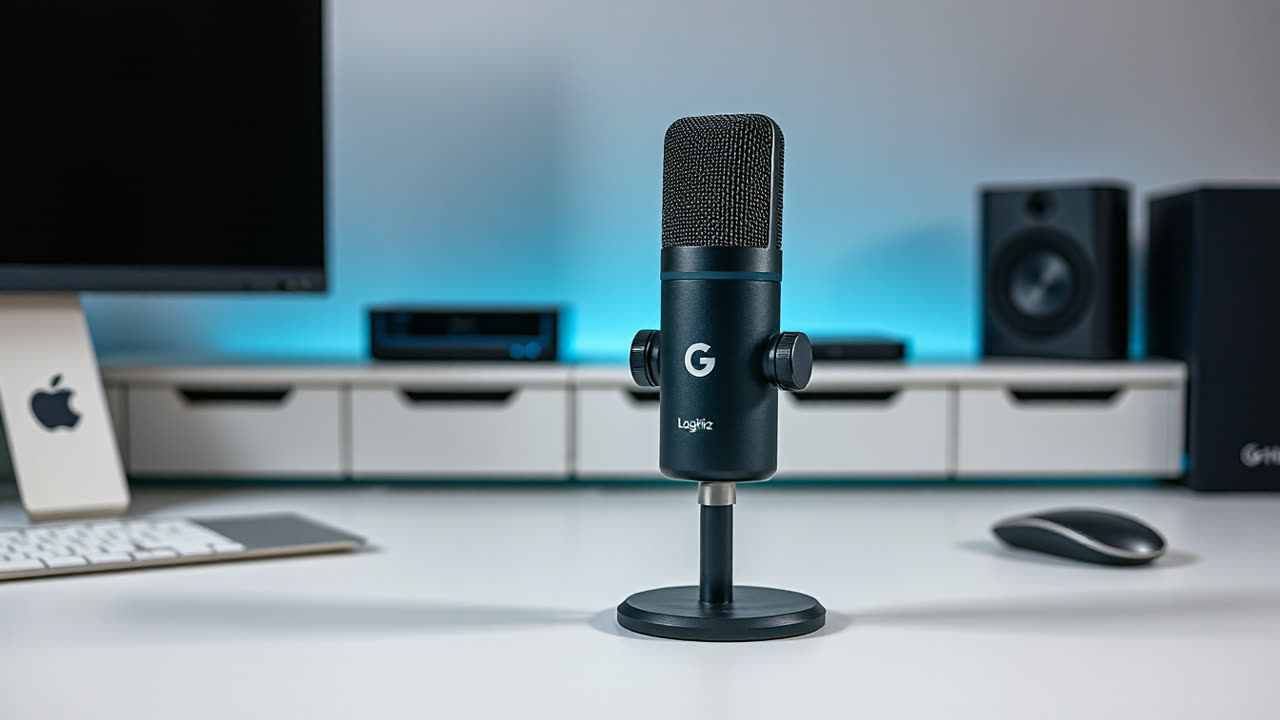
Logitech G's introduction of the Blue Yeti 2, a successor to the iconic Blue Yeti USB microphone, marks a significant evolution in audio capture for content creators, distinguished by its innovative adaptive sound technology that automatically adjusts to the user's position. This departure from the original Yeti's fixed polar patterns represents a pivotal shift, aiming to simplify sophisticated audio production and democratize professional-grade sound for streamers, podcasters, and remote workers alike.
The core innovation of the Blue Yeti 2 lies in its ability to dynamically optimize its pickup pattern based on the user's location within its field. Unlike its predecessor, which required manual selection between cardioid, omnidirectional, bidirectional, and stereo patterns, the Yeti 2 employs advanced digital signal processing (DSP) and potentially multiple microphone capsules to intelligently track and isolate the speaker's voice. This "set it and forget it" functionality is a direct response to the increasing demand for user-friendly, high-performance audio solutions in a market saturated with options that often require a deeper understanding of acoustics and microphone technique. The original Blue Yeti, launched in 2009, became a staple due to its versatility and ease of use, offering multiple patterns and simple USB connectivity at an accessible price point. Its successor, the Yeti X, introduced higher sample rates (24-bit/48kHz), a four-capsule array, and LED metering for enhanced control, yet still relied on manual pattern selection. The Blue Yeti 2 pushes this further by automating this critical aspect of audio capture, potentially leveraging spatial audio algorithms to maintain consistent audio quality even as a creator shifts in their chair or moves around a limited recording space. This adaptive capability addresses a common pain point for creators: maintaining optimal microphone placement and consistent sound quality without constant adjustments.
This adaptive technology carries profound implications for both users and the broader content creation industry. For users, particularly those operating in less-than-ideal acoustic environments or without dedicated studio setups, the Yeti 2 promises a substantial improvement in audio fidelity and workflow efficiency. No longer will creators need to meticulously position the microphone or worry about drifting off-axis during a live stream or recording session. This translates to reduced post-production time for audio cleanup and a more professional output, directly impacting audience engagement and content quality. The barrier to entry for achieving excellent sound is significantly lowered, empowering a wider range of creators to produce high-quality content without extensive technical knowledge or expensive acoustic treatments. For the industry, the Blue Yeti 2 sets a new benchmark for USB microphone intelligence. It signals a move towards more autonomous and context-aware audio hardware, pushing competitors to integrate similar adaptive or AI-driven features into their offerings. This could accelerate the development of more sophisticated DSP chips in consumer-grade microphones, leading to a new wave of products that prioritize user experience and intelligent automation over manual controls.
The competitive landscape for USB microphones has intensified dramatically since the original Yeti's debut. Rivals like the Rode NT-USB+, Shure MV7, and HyperX QuadCast S have carved out significant market share by offering compelling feature sets, superior build quality, or specific niche functionalities. The Rode NT-USB+ boasts studio-grade sound with a low-noise Revolution Preamp and powerful A/D conversion, while the Shure MV7 offers both USB and XLR connectivity, along with an intuitive ShurePlus MOTIV app for precise control over gain, EQ, and compression. The HyperX QuadCast S appeals to gamers with its vibrant RGB lighting and an anti-vibration shock mount. While these microphones offer excellent audio, none currently feature the fully adaptive, positional adjustment promised by the Blue Yeti 2. The Yeti 2's closest conceptual predecessor might be found in conference room solutions or high-end studio microphones with steerable arrays, but bringing this level of intelligent adaptation to a consumer-friendly USB format is a significant leap. This positions Logitech G to reclaim a dominant innovation narrative in the creator audio space, moving beyond incremental upgrades to deliver a genuinely transformative user experience.
Looking ahead, the Blue Yeti 2's adaptive technology is likely just the beginning of a broader trend. We can anticipate future iterations that integrate even more advanced AI-driven noise cancellation, environmental learning algorithms, and perhaps even personalized sound profiles that adapt not just to location but also to individual vocal characteristics. Logitech G's strategic move into this adaptive audio space aligns with the broader tech industry's push towards ambient computing and intelligent devices that anticipate user needs. The success of the Yeti 2 could spur further investment in dedicated audio processing units within microphones, making onboard DSP capabilities more powerful and versatile. This could lead to microphones that not only adjust their pickup but also automatically gate unwanted background noise, de-reverb challenging rooms, and even subtly master audio in real-time. The ultimate vision is a microphone that seamlessly integrates into any setup, delivering broadcast-quality audio with minimal user intervention, further blurring the lines between professional and amateur content creation and solidifying Logitech G's position at the forefront of this evolving market.