Lucid's "Fire Risk" Recall for LED Lights Was a Software Fix Already Resolved via OTA
Lucid's recent recall of over 27,000 vehicles, initially alarming with "fire risk" headlines, was a software-addressable issue for LED lights largely resolved via an over-the-air update in July, highlighting the evolving nature of automotive safety and fixes.
✨ This content was summarized and interpreted by AI; it may contain errors — please verify accuracy with the original sources. Learn more
Listen to this story
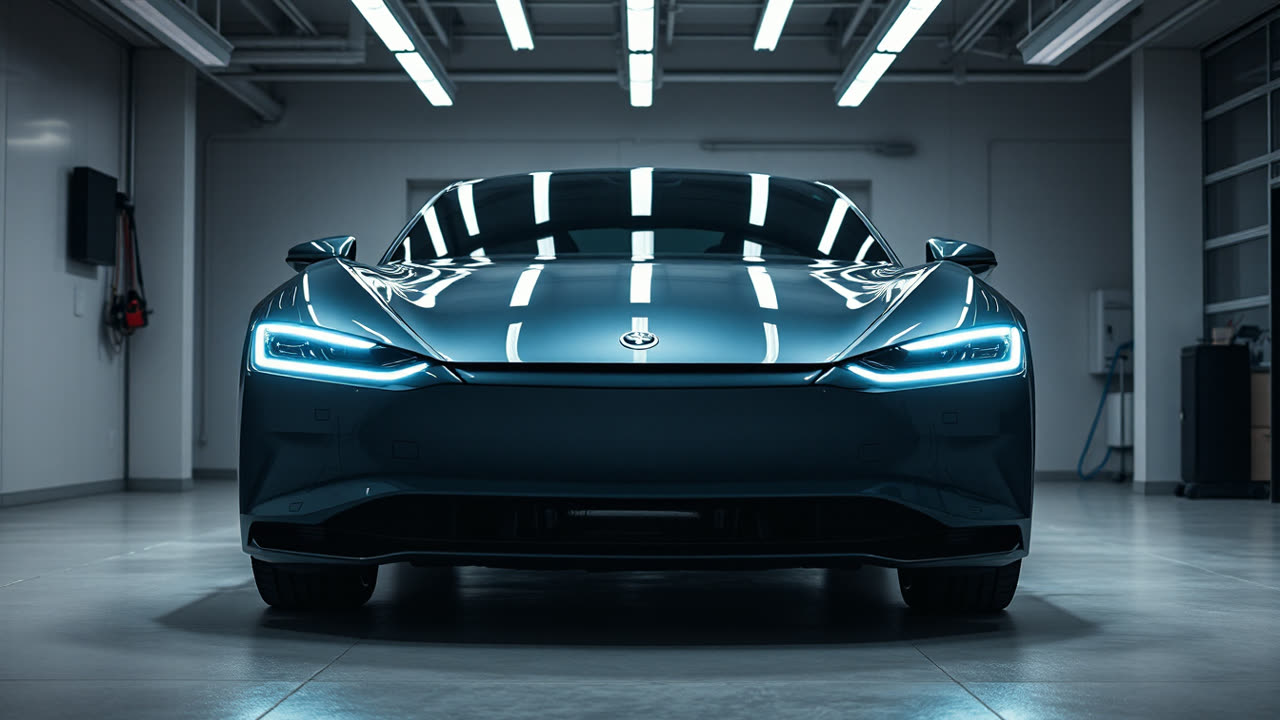
Lucid's recent recall of 27,185 vehicles, initially triggering alarm with "fire risk" headlines, was in reality a software-addressable issue concerning an electronic fuse for LED lights, which was largely resolved via an over-the-air (OTA) update in July. This recall, affecting 2022-2026 model year Lucid Air sedans manufactured between October 2021 and July 2026, stemmed from flawed software logic governing an eFuse that provides insufficient overcurrent protection to low-voltage exterior lighting circuits. While the National Highway Traffic Safety Administration (NHTSA) filing noted that this could lead to overheating, smoke, or potentially fire, and advised owners of unpatched vehicles to park outside, Lucid had already pushed a remedy software update (version 2.10.0) in July. As of the recall report, 20,719 of the affected vehicles had already installed the update, leaving approximately 6,466 still needing the fix.
This incident underscores a critical paradigm shift in the automotive industry, particularly for electric vehicles (EVs). While "fire risk" in any vehicle recall naturally garners significant media attention, often disproportionately so for EVs compared to internal combustion engine (ICE) vehicles, the nature of this particular fix highlights the inherent advantages of software-defined vehicles. Modern EVs, like the Lucid Air, are essentially computers on wheels, allowing for remote diagnosis and resolution of many issues that would traditionally necessitate a costly and inconvenient visit to a dealership for ICE cars. The ability to deploy an OTA update for a safety-critical component like an eFuse controlling exterior lights dramatically reduces the logistical burden and cost for the manufacturer, while also offering a swifter, more convenient resolution for owners. This agility can help mitigate the reputational damage that often accompanies recalls, which can significantly impact consumer trust and sales.
However, the "park outside" warning issued for unpatched vehicles still presents a challenge, particularly for owners reliant on home charging, and highlights a lingering gap in recall communication and compliance. Despite the ease of OTA updates, not all owners immediately install them, necessitating traditional notification methods such as physical mail, which can be slow and lead to consumer confusion if the issue is already resolved. This incident, therefore, serves as a reminder for automakers to refine their communication strategies, ensuring clarity on the nature of the recall and the simplicity of the fix, especially when an OTA update has already been distributed.
Lucid Motors, a relatively young luxury EV manufacturer, has faced its share of challenges, including production hurdles and financial pressures. For Q2 2026, Lucid produced 4,774 vehicles and delivered 3,953, with revenue reaching $405 million, though the company reported a wider-than-expected loss of $2.78 per share. The company has deliberately reduced production to align with demand, manage inventory, and preserve cash, aiming for a $1.4 billion cash flow improvement in 2026. Against this backdrop, the quick resolution of the LED light recall through software demonstrates Lucid's advanced technological capabilities and the potential for efficient problem-solving in its vehicles, which boast impressive efficiency with the 2026 Air Pure RWD achieving an EPA rating of 146 MPGe. While the Lucid Air competes against established luxury EV players like the Tesla Model S, BMW i7, Mercedes-Benz EQS, and Porsche Taycan, its focus on range and in-house technology remains a key differentiator.
Looking ahead, the prevalence of software-defined vehicles will only increase, making OTA updates the norm for both feature enhancements and safety corrections. Regulators like NHTSA are increasingly dealing with software-related recalls, which constituted nearly 15% of all recall incidents in 2023, up from 5% since 1966. This trend necessitates a modernization of recall protocols, potentially moving towards electronic notifications and a clearer distinction between hardware and software-based recalls to reduce unnecessary alarm and improve compliance rates. For Lucid, successfully navigating such minor, software-fixable issues promptly and transparently will be crucial for building long-term brand credibility and reinforcing its image as a technologically advanced luxury EV maker, particularly as it prepares for the launch of its Gravity SUV and midsize platform in early 2027. The industry as a whole must learn to communicate these software-centric recalls effectively, preventing disproportionate public concern and fully leveraging the efficiency and safety benefits that modern vehicle software offers.