macOS 27 Golden Gate Drops Support for Millions of Older MacBooks, Accelerating Obsolescence
Apple's latest macOS update, Golden Gate, officially ends software support for all MacBook Air models from 2018 and earlier, and MacBook Pro models pre-dating late 2019, leaving millions of devices without crucial updates.
✨ This content was summarized and interpreted by AI; it may contain errors — please verify accuracy with the original sources. Learn more
Listen to this story
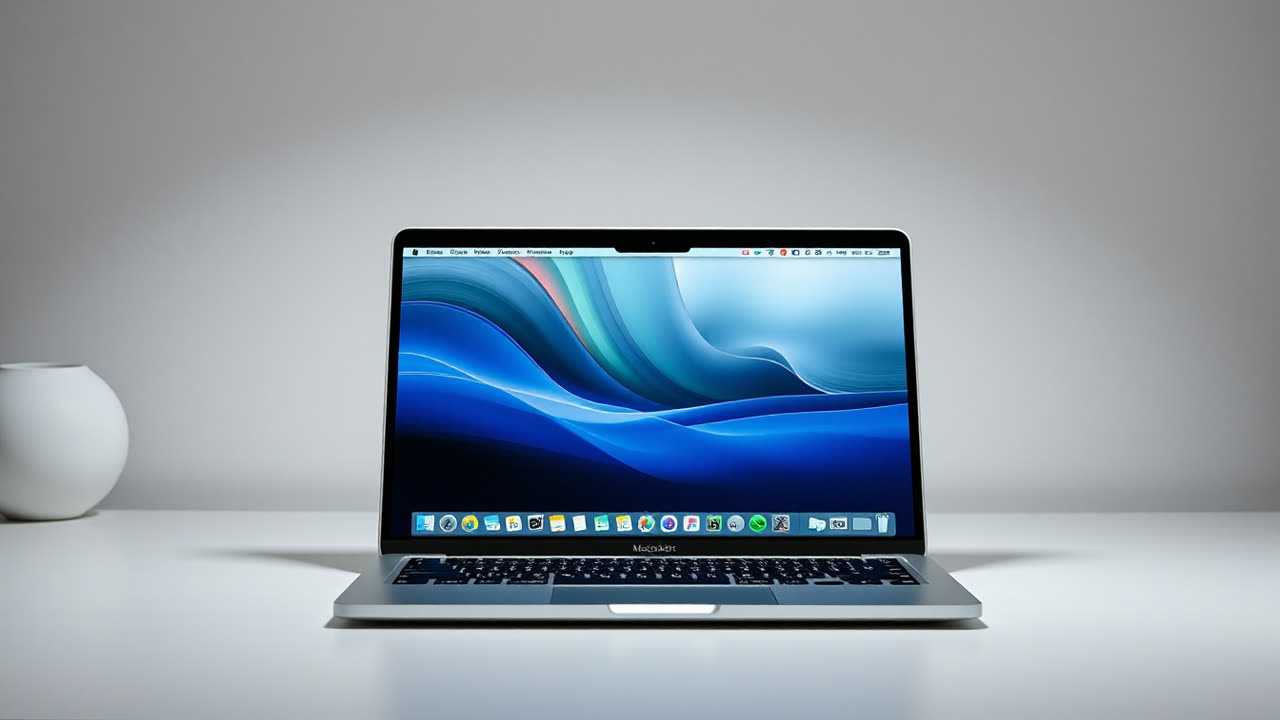
Apple's latest operating system, macOS 27 Golden Gate, has officially ended support for a substantial segment of its older laptop lineup, notably excluding all MacBook Air models from 2018 and earlier, along with several MacBook Pro iterations pre-dating late 2019. This decisive move, while characteristic of Apple's strategy to push hardware innovation, leaves an estimated tens of millions of devices without access to future security updates, performance enhancements, or the suite of cutting-edge features Golden Gate promises, effectively rendering them technologically obsolete from an official standpoint.
This policy shift creates a significant bifurcation in the Mac user base, compelling many to consider costly hardware upgrades or risk operating increasingly vulnerable systems. For users, the immediate impact is a forced choice between financial outlay for new hardware, potentially amounting to thousands of dollars, or continuing with devices that will gradually fall behind in terms of security and functionality. The average lifespan of a MacBook, often perceived as longer than its PC counterparts, is artificially shortened by such software exclusions. This directly challenges the economic viability for consumers who invested in premium Apple hardware, expecting a longer support horizon. Furthermore, the decision exacerbates the growing global e-waste crisis, pushing perfectly functional, albeit older, devices into landfills or less secure secondary markets. Environmental advocacy groups have consistently highlighted the substantial carbon footprint associated with the manufacturing and disposal of electronic devices, making Apple's accelerated obsolescence a point of increasing contention.
From an industry perspective, Golden Gate's stringent hardware requirements underscore Apple's unwavering commitment to leveraging its proprietary Apple Silicon architecture, which now powers virtually all new Mac models. The dropped Intel-based MacBooks, some as recent as 2019, signify the final stages of the Intel-to-Apple Silicon transition from a software support standpoint. Golden Gate is rumored to deeply integrate advanced on-device AI capabilities, sophisticated graphical rendering pipelines, and enhanced security protocols that likely demand the neural engine and unified memory architecture unique to Apple Silicon. This strategic pivot allows Apple to optimize the user experience for its latest hardware, differentiate its ecosystem, and maintain tight control over its product roadmap. However, it also intensifies the debate around planned obsolescence, a practice that, while driving sales for manufacturers, often draws criticism for its environmental and consumer implications.
Historically, Apple has maintained a major macOS update support window of roughly 5-7 years for its hardware, followed by a few additional years of security patches. For instance, macOS Ventura (version 13) dropped support for models from 2015-2016, and macOS Sonoma (version 14) continued this trend. The current cutoff for Golden Gate, affecting 2018-2019 models, aligns with this established pattern, albeit with a slightly more aggressive stance given the performance gains of Apple Silicon. This contrasts sharply with Microsoft's Windows ecosystem, where Windows 11, for example, supports a broader range of older processors, though it too has introduced stricter hardware requirements compared to its predecessors. While Windows offers a longer baseline support, the fragmented hardware landscape often leads to a less optimized experience on older machines compared to the tightly integrated Apple ecosystem.
Looking ahead, the trajectory set by macOS 27 Golden Gate suggests a future where software innovation is inextricably linked to the latest Apple Silicon generations. This will likely accelerate the adoption cycle for new Mac hardware, bolstering Apple's revenue streams from device sales. However, this strategy is not without its challenges. The burgeoning "right to repair" movement, gaining legislative traction in various regions, and increasing consumer awareness regarding sustainability, could place greater pressure on Apple to extend software support lifecycles or provide more transparent upgrade pathways. We may see Apple offering extended security-only update programs for older, unsupported devices, or even a tiered support system, to mitigate backlash and address environmental concerns. Furthermore, the increasing reliance on on-device AI will continue to push hardware requirements, making the chasm between supported and unsupported devices even wider with each subsequent macOS release. The core tension between rapid innovation and long-term device usability will remain a defining characteristic of Apple's software strategy, with Golden Gate marking another definitive step in that ongoing evolution.