Marvell Champions DDR4 Recycling for CXL Memory Amid DRAM Shortage, Unveils AI Infrastructure
Marvell's VP advocates for repurposing existing DDR4 modules for CXL systems, introducing a three-tier AI memory infrastructure to combat severe DRAM shortages and optimize AI workloads.
✨ This content was summarized and interpreted by AI; it may contain errors — please verify accuracy with the original sources. Learn more
Listen to this story
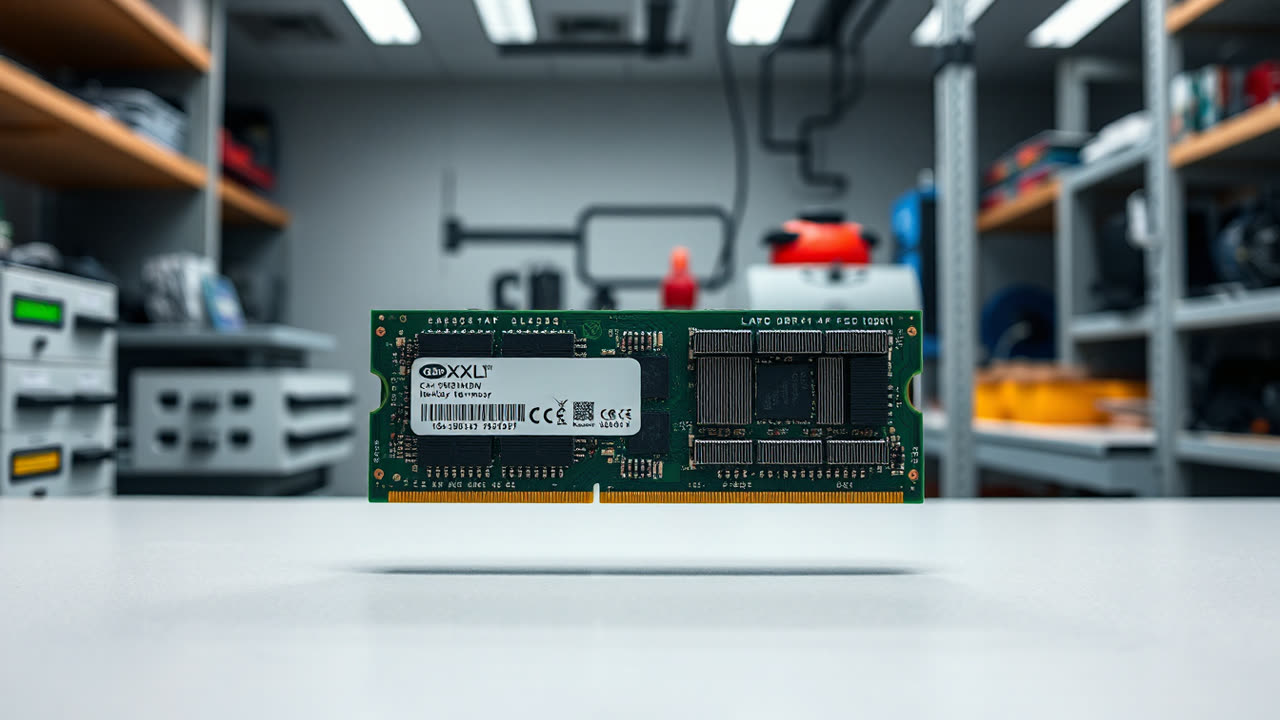
Marvell's Vice President has recently championed the re-purposing of DDR4 memory modules for use in emerging CXL (Compute Express Link) memory systems, a strategic pivot unveiled at FMS 2026 in Santa Clara on August 4, amid what is being described as the most severe DRAM shortage in years. This advocacy arrived concurrently with Marvell's introduction of a sophisticated three-tier "AI memory infrastructure" portfolio, designed to optimize memory performance and efficiency for demanding artificial intelligence workloads. The bold proposal for DDR4 recycling addresses an immediate industry pain point: the acute scarcity and escalating cost of new DRAM, which has been exacerbated by persistent supply chain disruptions and surging demand from AI and high-performance computing sectors.
The push for DDR4 recycling for CXL memory is a significant development, offering a pragmatic solution to alleviate immediate supply pressures and reduce capital expenditure for data center operators and hyperscalers. By enabling the reuse of abundant, existing DDR4 modules, Marvell's CXL-enabled controllers can transform what might otherwise become stranded assets into valuable, expandable memory resources. This approach not only promises substantial cost savings by deferring new DRAM purchases, but also aligns with growing industry demands for sustainability and circular economy principles, potentially extending the lifecycle of billions of dollars worth of installed memory. The current DRAM market, characterized by tight supply and volatile pricing, makes such innovative resourcefulness particularly attractive, as enterprises seek to scale AI infrastructure without incurring prohibitive memory costs that can account for a significant portion of server bills.
Marvell's newly launched three-tier AI memory infrastructure directly targets the unique and escalating memory bandwidth and capacity requirements of modern AI models. This tiered architecture is designed to intelligently manage memory resources, ensuring optimal data flow and minimal latency for AI training and inference. While specific technical details of each tier were not fully disclosed, the framework suggests a hierarchical approach: a high-bandwidth, low-latency tier for immediate processing, a larger capacity tier for intermediate data, and a flexible, scalable tier leveraging CXL for memory expansion and pooling. This design fundamentally addresses the "memory wall" problem, where the processing power of GPUs and specialized AI accelerators often outstrips the ability of traditional memory subsystems to feed them data efficiently. By providing a more intelligent memory fabric, Marvell aims to unlock greater computational throughput from existing and future AI hardware.
This innovative memory architecture and the emphasis on CXL position Marvell at the forefront of a paradigm shift in server design, contrasting sharply with traditional direct-attached memory models. Prior generations of servers were limited by the fixed memory slots on motherboards and the inherent latency of accessing remote memory. CXL, as an open standard interconnect, fundamentally changes this by allowing memory to be pooled, expanded, and disaggregated from the CPU, creating a more flexible and efficient memory fabric. While other companies are also developing CXL solutions, Marvell's distinct focus on integrating DDR4 recycling capabilities with a comprehensive AI-specific tiered infrastructure offers a differentiated value proposition. Rivals are largely focused on new CXL-native memory modules, which, while offering higher performance, do not address the immediate challenge of leveraging existing DDR4 stock during a shortage. This strategic move by Marvell could accelerate CXL adoption by providing a more cost-effective entry point for data centers looking to upgrade their memory infrastructure without a complete overhaul.
The broader industry impact of Marvell's strategy is profound, potentially redefining how data centers are built and managed for AI workloads. For users, particularly those operating large-scale AI clusters or cloud services, this translates into more efficient resource utilization, reduced total cost of ownership, and the ability to scale memory independently of compute. The ability to pool and share memory resources across multiple CPUs and accelerators via CXL allows for more flexible allocation, preventing memory underutilization in some servers while others remain memory-starved. This flexibility is crucial for dynamic AI environments where workloads fluctuate. Furthermore, the emphasis on sustainability through DDR4 recycling could set a new precedent for hardware reuse within the tech industry, contributing to environmental goals and potentially influencing future design considerations for other components.
Looking ahead, the success of Marvell's vision hinges on the widespread adoption of CXL and the integration of its solutions into a broader ecosystem. While CXL 2.0 and 3.0 standards continue to evolve, promising even greater flexibility and bandwidth, the immediate utility of Marvell's current offerings is undeniable. The industry can expect to see increased investment in CXL-enabled hardware and software tools to manage these new memory paradigms. Challenges remain, including the need for robust software orchestration layers to effectively manage pooled and disaggregated memory, and the continued development of a broad CXL-compatible component ecosystem. However, Marvell's strategic move to address both the immediate economic pressures of a DRAM shortage and the long-term architectural demands of AI positions it to be a significant enabler in the next generation of data center infrastructure, fostering a future where memory is no longer a bottleneck but a highly flexible and efficient resource.