Massive Data Breach Exposes Over 153 Million Driver's License Scans from IDScan.net
A new dark web service, Nexus, reportedly peddled over 153 million U.S. and Canadian driver's license scans, along with other sensitive identity documents, in a colossal data exposure linked to identity verification firm IDScan.net, prompting an FBI inquiry.
✨ This content was summarized and interpreted by AI; it may contain errors — please verify accuracy with the original sources. Learn more
Listen to this story
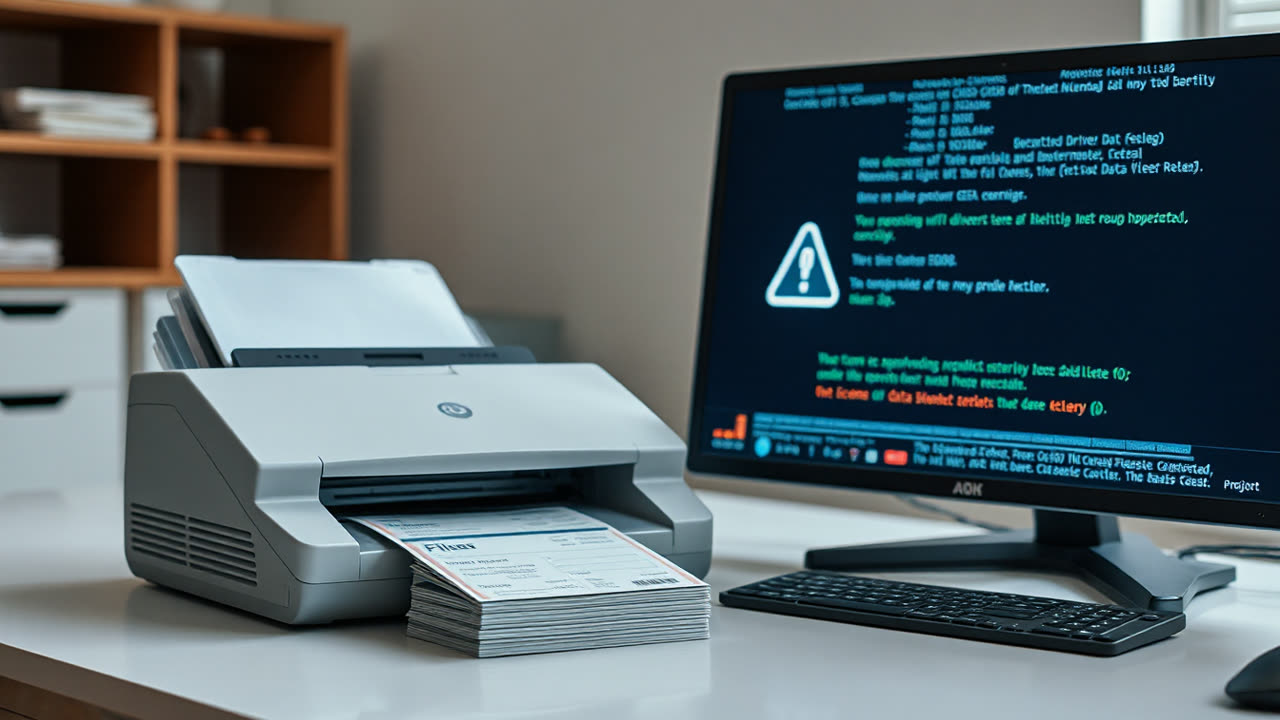
A staggering cache of over 153 million U.S. and Canadian driver's license scans, alongside millions of other sensitive identity documents, was recently peddled on the dark web by a new service named Nexus, before the illicit marketplace reportedly ceased operations. This colossal data exposure, which surfaced on August 31, 2026, and was actively selling documents as recently as September 2, 2026, appears to stem from a breach at IDScan.net, a prominent New Orleans-based identity verification firm. The Federal Bureau of Investigation's New Orleans field office has launched an official inquiry into the incident, as evidence like infrared and ultraviolet scans points directly to IDScan.net's systems. The perpetrators behind Nexus boasted of having exfiltrated data for over a year, even adding approximately 400,000 new scans within a 24-hour period just prior to the public disclosure.
This breach represents a catastrophic blow to digital trust, fundamentally eroding confidence in the very services designed to secure our identities in an increasingly online world. Driver's license data, encompassing full names, dates of birth, home addresses, license numbers, photographs, signatures, and physical descriptions, acts as a "master key" to an individual's identity. With this comprehensive information, cybercriminals can orchestrate a wide array of fraudulent activities, including opening new credit accounts, engaging in synthetic identity fraud by combining real details with fabricated Social Security numbers, creating highly convincing fake physical IDs, executing SIM-swapping attacks to seize control of phone numbers, and initiating account takeovers across banking and other sensitive platforms. The market value of such stolen driver's license records on the dark web can reach as high as $20 apiece, far exceeding the average price of stolen credit card numbers. Victims often remain unaware of the compromise until attempting to renew their license, discovering fraudulent accounts, or even facing unwarranted criminal charges.
For the identity verification industry, the implications are profound. Services like IDScan.net, which reportedly processes 21 million verifications monthly for over 20,000 locations globally and counts Fortune 500 companies like Hertz, Target, FedEx, and Caesars Entertainment among its clients, are the linchpins of modern digital commerce and public services. A breach of this magnitude undermines the foundational trust upon which these systems are built, posing critical questions about the security architecture and accountability of verification partners. The true cost of fraud extends far beyond direct financial losses, averaging 460% of the initial stolen amount, encompassing investigation expenses, operational disruptions, regulatory exposure, and severe reputational damage.
The evolution of identity verification has been a continuous race against increasingly sophisticated threats. Historically, basic authentication methods like usernames and passwords proved vulnerable to phishing and breaches, leading to the adoption of two-factor authentication (2FA) in the 2000s and later, biometric verification in the 2010s. However, even these advancements struggle against persistent, AI-driven attacks, which contributed to a 160% surge in credential theft in 2025, accounting for one in five data breaches. This latest incident echoes past large-scale exposures, such as the 2017 Equifax breach, which compromised over 18 million driver's license records and highlighted the inherent weakness of centralized data storage. The Identity Theft Resource Center reported a record 3,322 data compromises in 2025, underscoring the relentless nature of cyber threats.
Leading identity verification providers like Persona, Socure, Sumsub, Onfido (now part of Entrust), Veriff, Jumio, Incode, Trulioo, and ID.me have responded by integrating advanced AI, machine learning, and biometric technologies, offering automated document analysis, liveness detection, and comprehensive Know Your Customer (KYC) and Anti-Money Laundering (AML) compliance tools. Yet, this breach suggests even robust systems can be vulnerable to sustained exfiltration efforts. Essential security practices, such as implementing multi-factor authentication (MFA) everywhere—a measure Microsoft found absent in 99.9% of compromised accounts—adopting a Zero Trust approach, maintaining rigorous credential hygiene, and continuous monitoring, remain critical. Furthermore, the industry is increasingly emphasizing cryptographically secured credentials, digital signatures, and secure offline verification systems to bolster driver's license security.
Looking ahead, the identity verification landscape is poised for significant transformation, driven by both technological innovation and escalating regulatory pressures. Experts anticipate a shift towards "invisible," instant, and universally reusable digital identities by 2030, powered by continuous biometric authentication and AI-driven risk assessments that detect subtle behavioral deviations. AI will become indispensable in combating sophisticated deepfakes and synthetic identities. However, this future also necessitates a rigorous re-evaluation of data handling practices, particularly by third-party vendors, as recent incidents have often stemmed from unsecured databases and misconfigured infrastructure rather than sophisticated zero-day exploits.
The regulatory environment is rapidly evolving, with new state privacy laws continually emerging in the U.S., and the European Union's AI Act's high-risk regime set to take effect in December 2027. These frameworks will likely impose stricter requirements on data anonymization claims and emphasize continuous, risk-based security programs, especially for sensitive sectors like healthcare, where HIPAA Security Rule updates are expected in 2027. Organizations must proactively bolster their cybersecurity frameworks, focusing on comprehensive threat detection, vulnerability management, and mandatory employee training to mitigate future risks. While the reported shutdown of the Nexus marketplace offers a momentary reprieve, the underlying vulnerability exposed by the IDScan.net breach underscores a critical need for the industry to move beyond reactive measures and build truly resilient, transparent, and accountable identity ecosystems.