McKesson Data Breach Compromises Millions of Patient Records, Threatening U.S. Healthcare Supply Chain
Millions of patient records have been compromised in a significant data breach targeting McKesson, one of the largest U.S. pharmaceutical distributors, threatening not only individual privacy but also the operational continuity of the nation's healthcare infrastructure, underscoring severe vulnerabilities in an interconnected yet under-protected digital ecosystem.
✨ This content was summarized and interpreted by AI; it may contain errors — please verify accuracy with the original sources. Learn more
Listen to this story
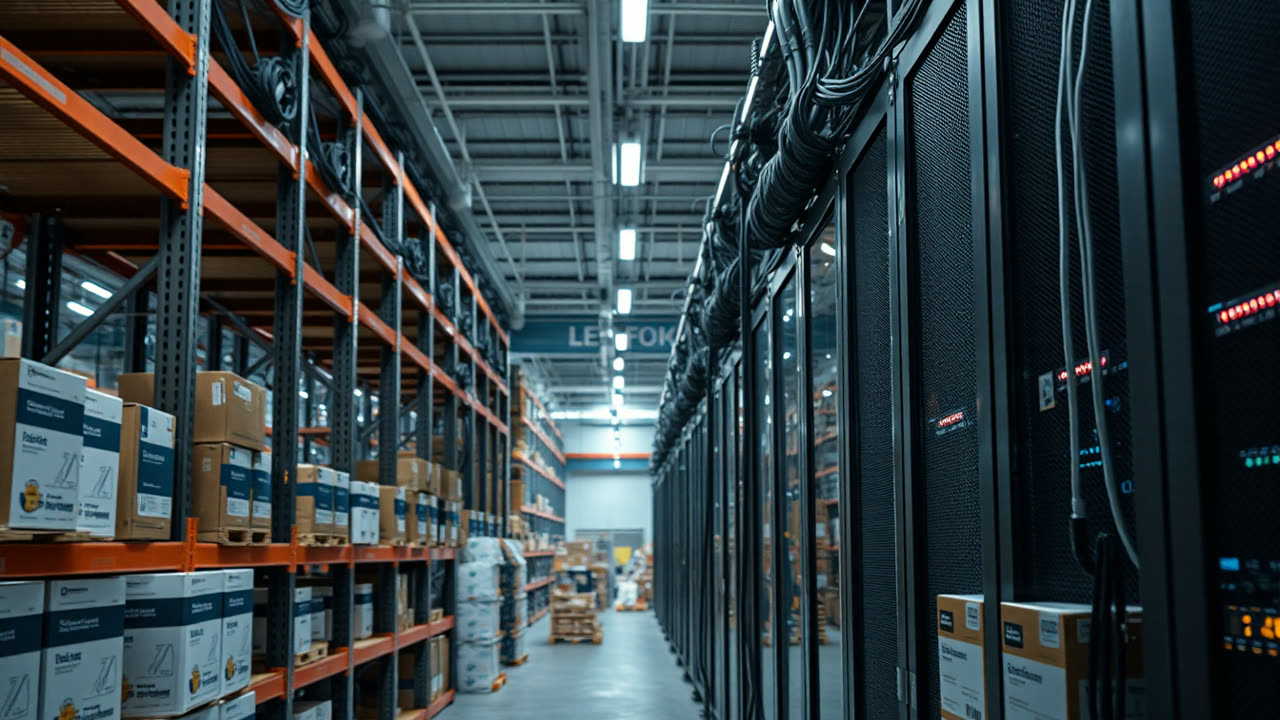
Millions of patient records have reportedly been compromised in a significant data breach targeting McKesson, one of the United States' largest distributors of pharmaceuticals and medical supplies, with the company confirming a hack and anticipating ongoing service disruptions. The incident, publicly acknowledged by McKesson on August 31, 2026, after hackers claimed responsibility, strikes at the very heart of the nation’s healthcare infrastructure, threatening not only the privacy of countless individuals but also the operational continuity of hospitals and healthcare practices reliant on McKesson's critical supply chain.
This breach transcends a typical corporate cyberattack, carrying profound implications for patient trust, data security protocols across the healthcare sector, and the resilience of medical supply logistics. McKesson's pivotal role as a linchpin in the U.S. healthcare system, distributing medicines, medical devices, and health IT solutions to virtually every care setting, means that any "intermittent service degradation" could translate directly into delayed patient care, drug shortages, or compromised medical procedures. The theft of patient records, potentially including sensitive personal health information (PHI), financial details, and other identifiers, exposes individuals to long-term risks of identity theft, medical fraud, and targeted phishing attacks, creating a cascading impact far beyond the initial breach. For an industry already grappling with the complexities of digital transformation and an aging infrastructure, this event underscores the severe vulnerabilities inherent in a highly interconnected yet often under-protected digital ecosystem.
The healthcare sector has long been a prime target for cybercriminals, with the value of medical records on the black market often surpassing that of credit card data due to the wealth of exploitable information they contain. While the exact nature of the stolen data and the specific attack vector remain under investigation, previous high-profile healthcare breaches, such as the 2024 attack on Change Healthcare, which disrupted pharmacy services nationwide, demonstrate the potential for widespread operational paralysis. Unlike a financial services breach where compromised data might lead to immediate monetary loss, a healthcare breach can have delayed but equally devastating consequences, impacting insurance claims, eligibility for care, and even personal safety if sensitive medical conditions are exposed. McKesson's incident is particularly alarming given its position not as a direct care provider, but as a foundational enabler of care; a disruption here can ripple through thousands of hospitals and clinics, affecting millions of patients indirectly.
Compared to previous generations of cyberattacks, which often focused on direct financial gain or espionage, today's threats against critical infrastructure like healthcare are increasingly sophisticated, often involving nation-state actors or highly organized criminal syndicates employing advanced persistent threats (APTs) and ransomware. The frequency and scale of these attacks have escalated, with the average cost of a healthcare data breach reaching an estimated $10.93 million in 2024, significantly higher than any other industry. This latest breach at McKesson highlights a critical need for the healthcare supply chain, traditionally focused on physical security and logistical efficiency, to rapidly mature its cybersecurity posture to match the digital threats it now faces. Existing regulatory frameworks like HIPAA, while crucial, often focus on data privacy rather than robust, proactive cybersecurity measures, leaving gaps that attackers readily exploit.
Looking ahead, the immediate imperative for McKesson will be to contain the breach, restore full service functionality, and provide transparent communication and support to affected individuals and its vast network of clients. This will undoubtedly involve extensive forensic analysis, enhanced security protocols, and potentially significant financial investment in cybersecurity infrastructure. For the broader healthcare industry, this incident serves as a stark reminder that cybersecurity cannot be an afterthought; it must be interwoven into every layer of operations, from supply chain management to patient data systems. Regulators may face increased pressure to enact more stringent cybersecurity requirements for critical healthcare infrastructure providers, potentially including mandatory threat intelligence sharing and minimum security benchmarks. Furthermore, the incident could accelerate the adoption of advanced security technologies, such as AI-driven threat detection and zero-trust architectures, as organizations seek to build more resilient defenses. The long-term implications will likely include a heightened focus on third-party vendor risk management within healthcare, as the interconnectedness of the ecosystem means a vulnerability in one partner can compromise the entire chain. The McKesson breach is not merely another statistic; it is a critical juncture demanding a systemic re-evaluation of how patient data and healthcare operations are protected in an increasingly hostile digital landscape.