Mercedes-Benz to Discontinue Several EV Models by 2027 in Major Platform Shift
Mercedes-Benz is strategically streamlining its electric vehicle portfolio, phasing out models like the EQE SUV, EQS Sedan, and EQS SUV by 2027 to focus on next-generation dedicated EV architectures.
✨ This content was summarized and interpreted by AI; it may contain errors — please verify accuracy with the original sources. Learn more
Listen to this story
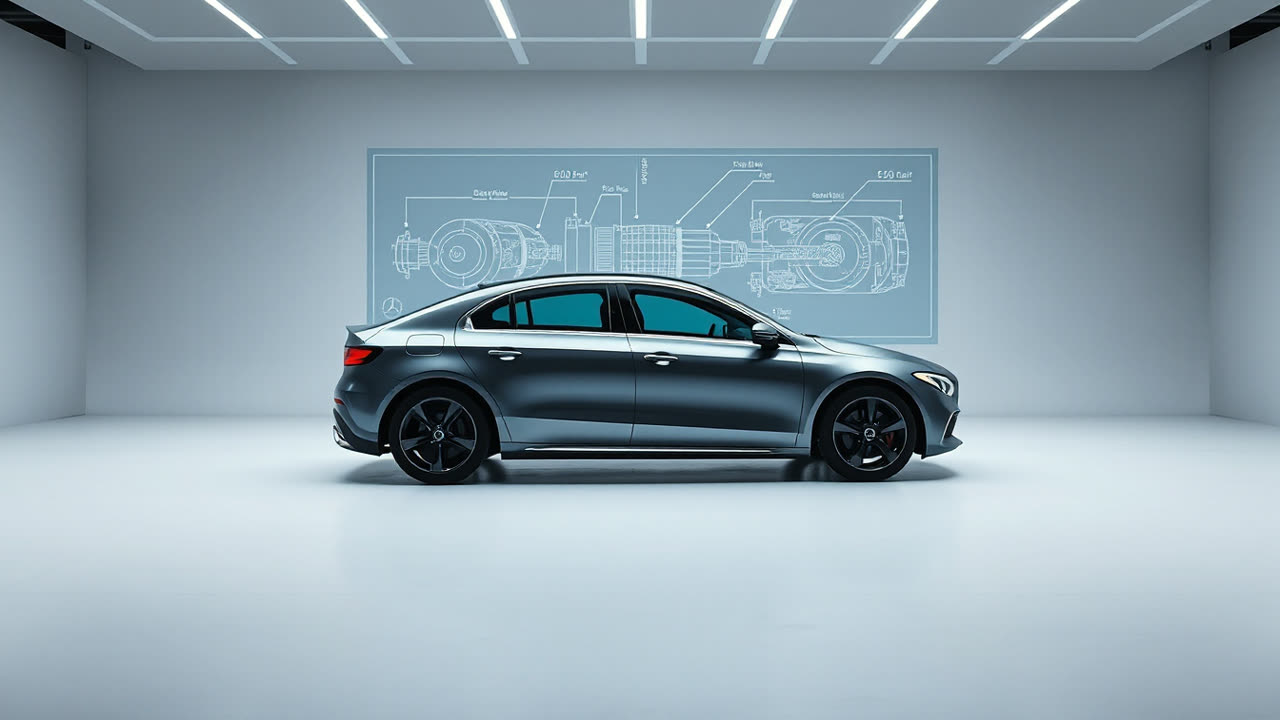
Mercedes-Benz is strategically streamlining its electric vehicle portfolio, with several current EV models slated for discontinuation in 2027, including the EQE SUV, EQS Sedan, and EQS SUV, alongside the EQB. This significant overhaul, confirmed by recent reports, signals a decisive shift towards next-generation electric architectures, particularly the Mercedes-Benz Modular Architecture (MMA) platform and potentially the MB.EA platform for larger vehicles. The move, while potentially disruptive for existing model lines, underscores Mercedes-Benz's commitment to optimizing production efficiency and standardizing its EV offerings around advanced, purpose-built electric platforms, rather than adapting internal combustion engine (ICE) architectures.
The decision to phase out relatively new models like the EQE SUV and EQS twins, which only debuted in the last few years, highlights the rapid pace of EV development and the intense competition within the premium electric segment. The EQS Sedan, Mercedes-Benz's flagship electric offering, was initially launched to much fanfare, showcasing a luxurious interior, impressive range, and the expansive MBUX Hyperscreen. Similarly, the EQE SUV and EQS SUV extended this electric luxury into the popular SUV segments. However, these vehicles largely utilized modified versions of existing ICE platforms or early dedicated EV platforms that are now being superseded. Their discontinuation suggests that Mercedes-Benz aims to move away from these initial iterations, despite their premium positioning, in favor of architectures designed from the ground up to maximize EV performance, packaging, and cost-effectiveness. The EQB, based on the GLB platform, represents a similar story of an adapted ICE platform nearing its end for EV application.
This strategic pivot holds profound implications for both consumers and the broader automotive industry. For prospective Mercedes-Benz EV buyers, the impending discontinuation of these models introduces a degree of uncertainty regarding resale values and long-term support for the outgoing generation. However, it also promises a new wave of highly competitive, technologically superior electric vehicles. The new CLA, set to launch as an EV, and an electric GLB are already entering the market, signaling the beginning of this transition. These new models, built on the MMA platform, are expected to offer significant improvements in range, charging speed, and software integration, leveraging 800-volt architecture and advanced battery technology. The MMA platform, designed for compact and mid-size vehicles, is crucial for Mercedes-Benz's volume segments, promising enhanced efficiency and a more cohesive digital experience. For the industry, Mercedes-Benz's aggressive refresh signals a maturing EV market where early adopters of adapted platforms are giving way to purpose-built solutions that offer superior performance and lower production costs in the long run. It reinforces the notion that platform strategy is paramount for long-term success in the electric era, pushing rivals to accelerate their own platform transitions.
Historically, Mercedes-Benz’s initial EQ models, while luxurious, faced criticism for not fully differentiating themselves from their ICE counterparts in terms of design or interior packaging, a common challenge for many legacy automakers in their first generation of EVs. While the EQS and EQE offered competitive ranges, they often battled against rivals like Tesla, Lucid, and even BMW's i-series, which either had a head start with dedicated EV platforms or offered distinct design philosophies. Tesla, with its singular focus on EVs and continuous software updates, set a high bar for efficiency and user experience. Lucid, though a smaller player, showcased groundbreaking efficiency and range with its Air sedan. This new restructuring allows Mercedes-Benz to leapfrog some of these earlier compromises, delivering vehicles that are not just electric, but inherently *better* as electric vehicles. The MMA platform, for instance, is projected to achieve ranges exceeding 750 kilometers (approximately 466 miles) on a single charge under WLTP testing, with energy consumption as low as 12 kWh/100 km. This represents a substantial improvement over current models and aims to set new benchmarks in the premium segment.
Looking ahead, Mercedes-Benz’s accelerated transition to dedicated EV platforms like MMA and MB.EA (for larger, luxury vehicles) will likely define its competitive stance for the remainder of the decade. The first models based on the MMA platform are expected to launch in 2024, with a full rollout across various segments by 2027. This strategic move is not merely about replacing outgoing models; it's about establishing a scalable, efficient, and technologically advanced foundation for its future electric lineup. The company has also committed to an "Electric Only" strategy for all new vehicle architectures from 2025 onwards, indicating that the current phase-out is part of a larger, irreversible shift. We can anticipate a greater emphasis on software-defined vehicles, with over-the-air updates playing a more central role, and potentially more radical interior and exterior designs that fully exploit the advantages of electric powertrains. The success of this transition will hinge on Mercedes-Benz’s ability to execute these new platforms flawlessly, deliver on promised performance metrics, and maintain its brand’s hallmark of luxury and quality while embracing the electric paradigm fully. The upcoming years will be critical in determining if this bold portfolio revamp solidifies Mercedes-Benz's position as a leader in the premium EV market.