Meta Addresses Smart Glasses Privacy Loophole with New Camera Disablement Update
Meta's latest software update for its Ray-Ban Meta smart glasses directly confronts a critical ethical dilemma, disabling the camera if the recording indicator light is covered mid-capture, marking the second such privacy-focused patch in less than two months.
✨ This content was summarized and interpreted by AI; it may contain errors — please verify accuracy with the original sources. Learn more
Listen to this story
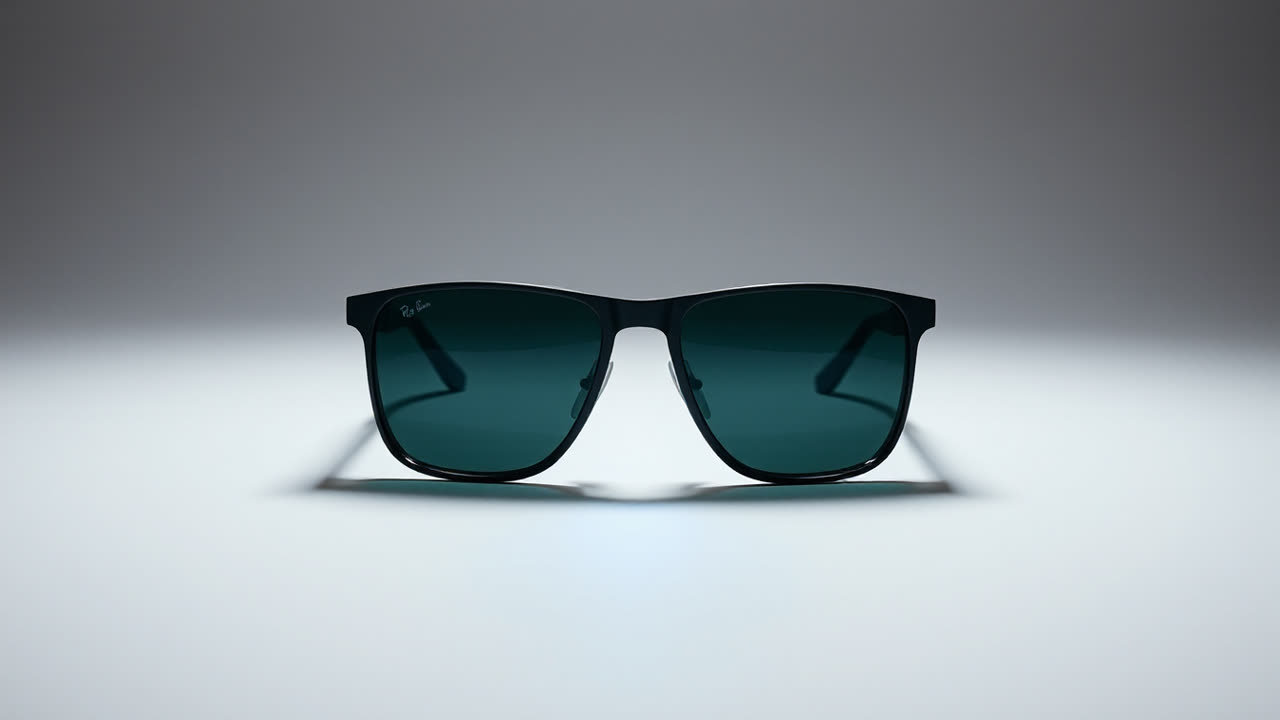
Meta's latest software update for its Ray-Ban Meta smart glasses directly confronts a critical ethical dilemma, disabling the camera if the recording indicator light is covered mid-capture, marking the second such privacy-focused patch in less than two months. This recent fix, announced by Meta's VP of AR Alex Himel, addresses a specific "loophole" where users could initiate a recording and then obscure the small white LED light, thereby bypassing the intended visual notification for bystanders. The move underscores the persistent tension between technological innovation and fundamental privacy expectations in the burgeoning wearable camera market, a battle Meta is clearly fighting on multiple fronts.
This update follows a July 2026 patch that tackled more severe hardware tampering, rendering the camera inoperable if the recording LED was physically damaged or removed, a response to a burgeoning black market where modders offered "stealth mode" services for around $100. These modifications, involving drilling out the LED, allowed covert recording without any visual cue, fundamentally undermining the device's core privacy safeguard. The consistent necessity for such updates highlights a foundational design challenge: the Ray-Ban Meta glasses, and Meta's broader smart glasses line including Oakley Meta and its own $300 models, are designed to look like ordinary eyewear, making the inconspicuous LED the primary, and often insufficient, signal of active recording.
The impact on users and the industry is profound and multifaceted. For the public, these patches offer a semblance of reassurance, albeit belated, that Meta is responding to widespread privacy concerns. Public backlash against smart glasses has been intensifying, fueled by viral videos of individuals unknowingly filmed and harassed, leading to a growing perception of these devices as "surveillance tech" rather than benign accessories. Instances of people being recorded without consent in public spaces, and even in more private settings like a wax salon, have sparked outrage and calls for stricter controls. Meta's efforts to curb surreptitious recording are a direct response to this social blowback, attempting to rebuild trust essential for broader market adoption. Without robust, unambiguous privacy indicators, the social acceptability of camera-equipped wearables remains severely hampered.
For Meta, these updates are as much about reputation management and preempting regulatory intervention as they are about technical fixes. Smart glasses are under intense scrutiny from regulators globally. European data protection authorities, including France's CNIL and the European Data Protection Board (EDPB), have placed smart glasses at the top of their 2026 privacy agenda, scrutinizing their legality under GDPR, particularly concerning bystander consent. Norway, for example, is considering stricter regulations, potentially banning facial recognition in public spaces, and has even advised retailers to halt sales amidst legal uncertainty. In the US, the Texas Attorney General launched an investigation into Ray-Ban Meta glasses in May 2026 over privacy allegations, while California is weighing criminal penalties for non-consensual filming in private business areas. Bans have already materialized in places like New York courtrooms and cruise ships. Meta's proactive measures, including cracking down on modders and banning accounts posting harassing videos on Instagram, demonstrate an awareness of the potential for legislative and legal repercussions.
The history of smart glasses is riddled with privacy controversies, dating back to Google Glass a decade ago, which famously earned wearers the pejorative "glasshole" moniker. Meta's own Ray-Ban Stories, the prior generation, faced similar privacy challenges. This consistent struggle highlights a fundamental disconnect between the utility offered by hands-free recording and the societal expectation of visual consent. Competitors have approached this challenge differently; Amazon's Echo Frames, for instance, entirely omit cameras, focusing solely on audio-based AI interaction and featuring a clear red indicator when microphones are muted. While Apple's Vision Pro, an AR/VR headset, operates in a different category, it too incorporates external displays to signal when the wearer is immersed or using its external camera, acknowledging the need for external privacy cues. Meanwhile, cameraless rivals like Even Realities, which recently secured significant funding, suggest a market demand for privacy-first wearable tech.
Looking ahead, while Meta's latest patches address critical loopholes, they are unlikely to be the final word on smart glasses privacy. The inherent challenge of balancing convenience with public trust remains. Other surreptitious recording tactics may still emerge, and the small, easily overlooked nature of the LED indicator continues to be a point of contention, especially in bright daylight. Furthermore, broader privacy concerns persist, particularly regarding Meta's data handling practices. The company's April 2025 privacy policy update, for example, mandates the retention of voice recordings for up to a year for AI training by default, with no easy opt-out, raising significant questions about user autonomy and data exploitation. Reports of contractors reviewing intimate user footage for AI training purposes further exacerbate these fears. The specter of facial recognition technology, which Meta has previously explored and then retreated from in June 2026 after public backlash, looms large, with digital rights experts warning it could obliterate public anonymity. Ultimately, the future of smart glasses hinges not just on technological advancement, but on a societal consensus that wearable cameras can coexist with personal privacy. This will require not only continuous, robust technical safeguards from manufacturers but also proactive, comprehensive regulatory frameworks that move beyond patchwork bans and address the complex ethical implications of pervasive, inconspicuous recording.