Meta and Ray-Ban Unveil Nova Gen 3 Smart Glasses: Incremental Updates, Familiar Formula
Meta and Ray-Ban’s third-generation Meta Glasses Nova largely reiterate the existing formula with only incremental improvements to battery life and microphone quality, signaling a cautious, iterative approach rather than a significant leap in wearable technology.
✨ This content was summarized and interpreted by AI; it may contain errors — please verify accuracy with the original sources. Learn more
Listen to this story
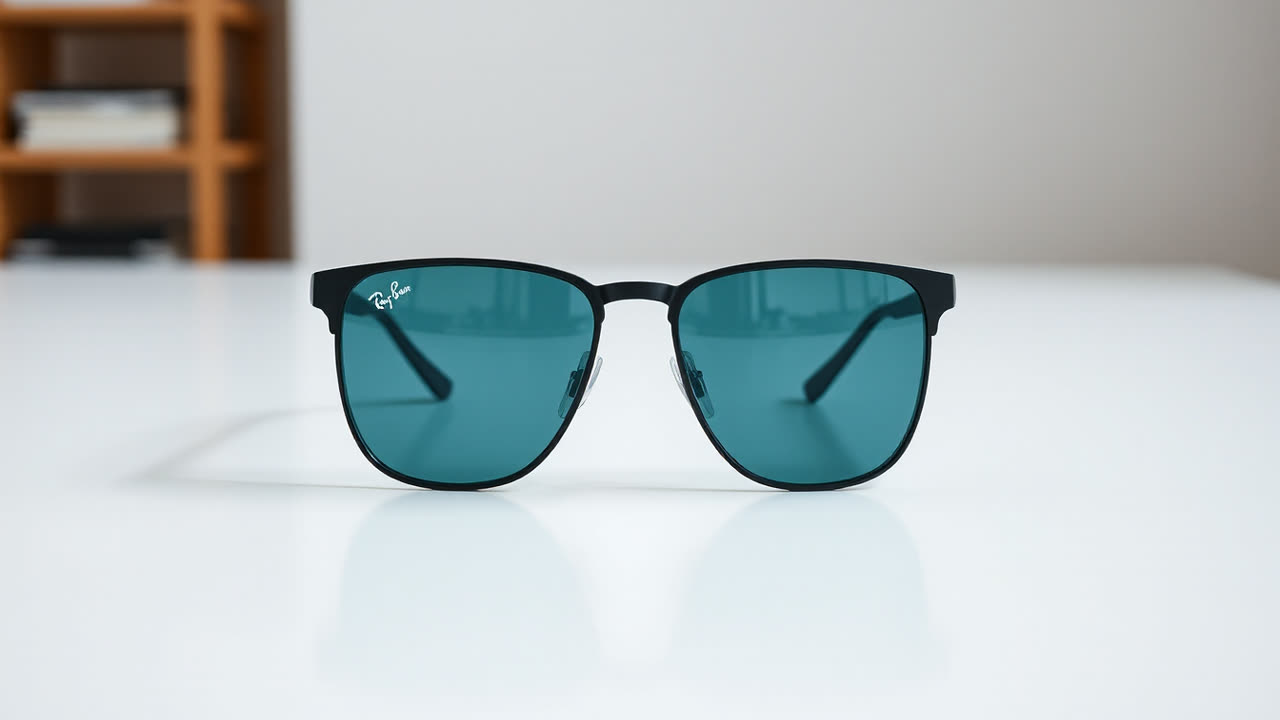
Meta and Ray-Ban’s latest smart glasses, the third-generation Meta Glasses Nova, largely reiterate the existing formula with only incremental improvements to battery life and microphone quality, signaling a cautious, iterative approach rather than a significant leap in wearable technology. The persistent inclusion of cameras, a hallmark since the original Stories glasses, remains a core but often controversial feature, underscoring Meta's long-term vision for pervasive augmented reality (AR) while raising ongoing privacy concerns. Priced at $299, the new model, which became available in October 2024, offers up to 36 hours of battery life with its charging case, a modest bump from the previous generation’s 28 hours, and integrated 5-microphone array designed for clearer audio capture and enhanced AI assistant interaction. The onboard 12-megapixel ultrawide camera, capable of recording 1080p video at 60 frames per second and capturing 3024x4032 still images, retains the core visual capture capabilities, now with improved low-light performance.
This incremental upgrade strategy for the Meta Glasses Nova Gen 3 suggests a pragmatic shift in Meta's immediate smart glasses objectives, moving away from revolutionary hardware breakthroughs towards refining user experience and fostering greater social acceptance. The relatively minor enhancements indicate that Meta is prioritizing stability and polish over groundbreaking features, likely due to the significant technical hurdles and societal resistance still facing true AR glasses. By focusing on better audio and longer battery life, Meta aims to make the glasses more practical for everyday use, particularly for hands-free communication and casual content capture, rather than pushing advanced AR overlays or complex interactive interfaces. This approach is critical for Meta’s broader metaverse ambitions, as these glasses serve as an accessible entry point to a future where digital and physical realities merge. The continued emphasis on camera functionality, despite privacy debates, is central to Meta’s strategy, enabling a "first-person" content creation paradigm that feeds directly into its social platforms.
Compared to its immediate predecessor, the Meta Ray-Ban Smart Glasses (often referred to as Gen 2), the Nova Gen 3 offers marginal gains rather than a generational overhaul. The Gen 2, launched in late 2023, introduced AI capabilities, live streaming, and a faster Snapdragon AR1 Gen 1 platform, building upon the original Ray-Ban Stories from 2021. The Gen 3's improvements in battery and microphones are refinements of existing features, not introductions of entirely new ones. Against rivals, the Meta Glasses Nova Gen 3 continues to occupy a niche defined by fashion-forward design and social media integration, distinct from more visually intrusive, AR-focused devices like the now-defunct Google Glass or the more industrial Vuzix Blade. While Apple has entered the spatial computing arena with the Vision Pro, its high price point ($3,499) and distinct use case as a mixed-reality headset position it in a different category entirely, making direct comparisons difficult. The Meta Glasses' strength lies in its discreet form factor and relatively accessible price, making it a more palatable option for consumers looking for a "smart" accessory rather than a full-fledged computing device.
Looking ahead, Meta’s slow but steady progression with the Nova series hints at a multi-pronged strategy for its AR hardware. The immediate future for the Nova line will likely continue to focus on incremental improvements, possibly integrating more sophisticated AI features directly into the glasses for on-device processing and enhanced contextual awareness. Deeper integration with Meta's evolving AI assistant, enabling more natural language interactions and proactive information delivery, is a logical next step. Longer-term, the Nova glasses are clearly a stepping stone towards Meta's ambitious, true AR glasses project, codenamed "Project Nazare." These future AR glasses are expected to feature advanced holographic displays, sophisticated sensors, and full AR capabilities, designed to seamlessly overlay digital content onto the real world. The iterative development of the Nova series allows Meta to gather crucial user data, refine core technologies like audio and camera performance, and, perhaps most importantly, incrementally acclimate the public to the concept of always-on, camera-equipped wearables. The success of the Nova line, even with its modest advancements, is vital for building a foundation of user trust and acceptance that will be necessary for the broader adoption of more advanced and potentially more intrusive AR devices. The ultimate goal remains to create a ubiquitous computing platform that transcends smartphones, with smart glasses acting as the primary interface for interacting with the metaverse.