Meta Closes Smart Glasses Privacy Loophole with Critical Software Update
Meta's AI-powered smart glasses receive a crucial software update, preventing covert recording by disabling the camera if the LED indicator is obscured.
✨ This content was summarized and interpreted by AI; it may contain errors — please verify accuracy with the original sources. Learn more
Listen to this story
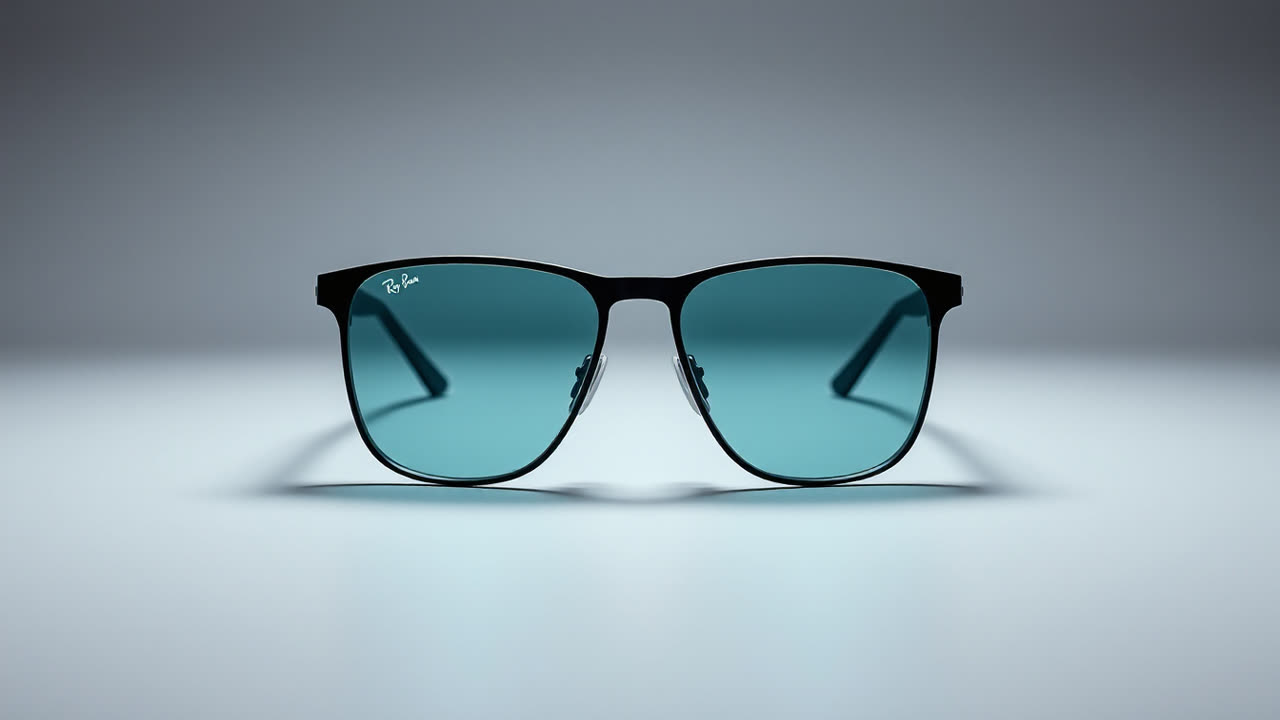
Meta is rolling out a critical software update for its AI-powered smart glasses, directly addressing a privacy loophole that allowed users to continue recording video even after obscuring the front-facing LED indicator. This fix, announced by Alex Himel, Meta's Vice President of Augmented Reality, on Threads, ensures that the camera will now cease operation if the capture LED is covered during an active recording, a significant step to counter the persistent "pervert glasses" reputation plaguing the wearable category.
This update is not Meta's first attempt to bolster privacy. Earlier in 2026, the company deployed a mandatory firmware update that would disable the camera if the capture LED was physically tampered with or destroyed, such as by drilling it out. However, the more common workaround involved simply starting a recording while the LED was visible, then covering it with tape or an accessory to conceal the active camera. Himel contends that only a "tiny minority" of users attempt to bypass these safeguards, yet the prevalence of online tutorials and third-party accessories designed for this purpose suggests a more widespread issue of distrust and misuse.
The immediate impact on users is a necessary, albeit belated, enhancement of bystander privacy. For those concerned about being covertly recorded, particularly women who have frequently reported instances of being secretly filmed and having those videos posted online, this update offers a stronger assurance that the recording indicator cannot be easily defeated. Conversely, the "problematic users" who exploited this loophole for surreptitious filming will find their methods thwarted, potentially leading to frustration among a segment of the user base. Meta's efforts also extend to enforcement, with the company removing accounts and posts from its platforms that provided instructions or advertised services for tampering with the capture LED.
For the smart glasses industry, this move by Meta sets a vital, if reactive, precedent. The visible recording indicator is considered the "whole social contract" upon which these devices depend for public acceptance. By integrating anti-tampering measures directly into the firmware, Meta is acknowledging that these safeguards are safety-critical, not merely cosmetic. This approach will likely influence future product development across the nascent smart glasses market, compelling manufacturers to prioritize robust, firmware-level privacy protections. This is crucial for a product category that has historically struggled with public perception, dating back to the "Glasshole" era of Google Glass in the early 2010s, which ultimately failed due to social unacceptability and privacy concerns.
Meta's current offering, the Ray-Ban Meta Smart Glasses, represents the second generation of its consumer smart eyewear, launched in late 2023. These glasses boast improved 3K video recording, enhanced battery life, and integrated AI features, allowing for live streaming and hands-free interaction. Despite the privacy controversies, Meta has seen remarkable commercial success, selling over 7 million pairs in 2025, which more than tripled the combined sales from 2023 and 2024. This surge has established Meta as a dominant player, capturing an 82% global market share in the second half of 2025. This market leadership, however, comes with increased scrutiny regarding its privacy practices.
Comparing Meta's approach to potential rivals highlights ongoing challenges. While Meta's AI processing is heavily cloud-dependent, automatically sending media to its app and saving audio conversations by default, competitors like Apple, with its rumored smart glasses and existing Vision Pro headset, emphasize a different privacy architecture. Apple's "Private Cloud Compute" model, which prevents user data from being stored or shared and allows independent auditing of server code, offers a verifiable privacy framework that Meta currently lacks. Other players like Google are also re-entering the smart glasses space with products like Android XR audio glasses, suggesting a diversifying market where privacy features will be a key differentiator.
Looking ahead, the evolution of smart glasses will be a continuous interplay between technological advancement, user adoption, and regulatory pressure. Meta has indicated that more privacy updates are forthcoming, suggesting an ongoing commitment to refining these protections as new workarounds emerge. The fragmented legal landscape in the United States, with its patchwork of privacy laws, is increasingly being challenged by calls for nationwide biometric privacy protections that specifically cover bystanders. European regulators, such as those in Germany and France, are already actively scrutinizing smart glasses and their compliance with data protection laws, with some even considering potential bans if privacy concerns are not adequately addressed.
Furthermore, the smart glasses category itself is diverging, with distinct product types emerging: camera glasses, display-only glasses, and audio-only glasses. Companies like Even Realities are intentionally designing camera-free eyewear to circumvent privacy issues. The integration of more sophisticated AI, including the potential for facial recognition (a feature Meta has explored internally but currently keeps dormant), will further amplify privacy challenges, demanding even more robust safeguards and transparent data handling. Ultimately, Meta's latest fix is a crucial step in a long-term battle for trust, a prerequisite for the mainstream acceptance of a technology that promises convenience but continually raises fundamental questions about public and personal privacy.