Meta Connect 2026 to Unveil Pivotal Mixed Reality Headset and Advanced AI Glasses
Meta's aggressive push into spatial computing and ambient AI culminates at Connect 2026 with the debut of a sophisticated mixed reality headset and significantly enhanced AI glasses, aiming to redefine human-computer interaction.
✨ This content was summarized and interpreted by AI; it may contain errors — please verify accuracy with the original sources. Learn more
Listen to this story
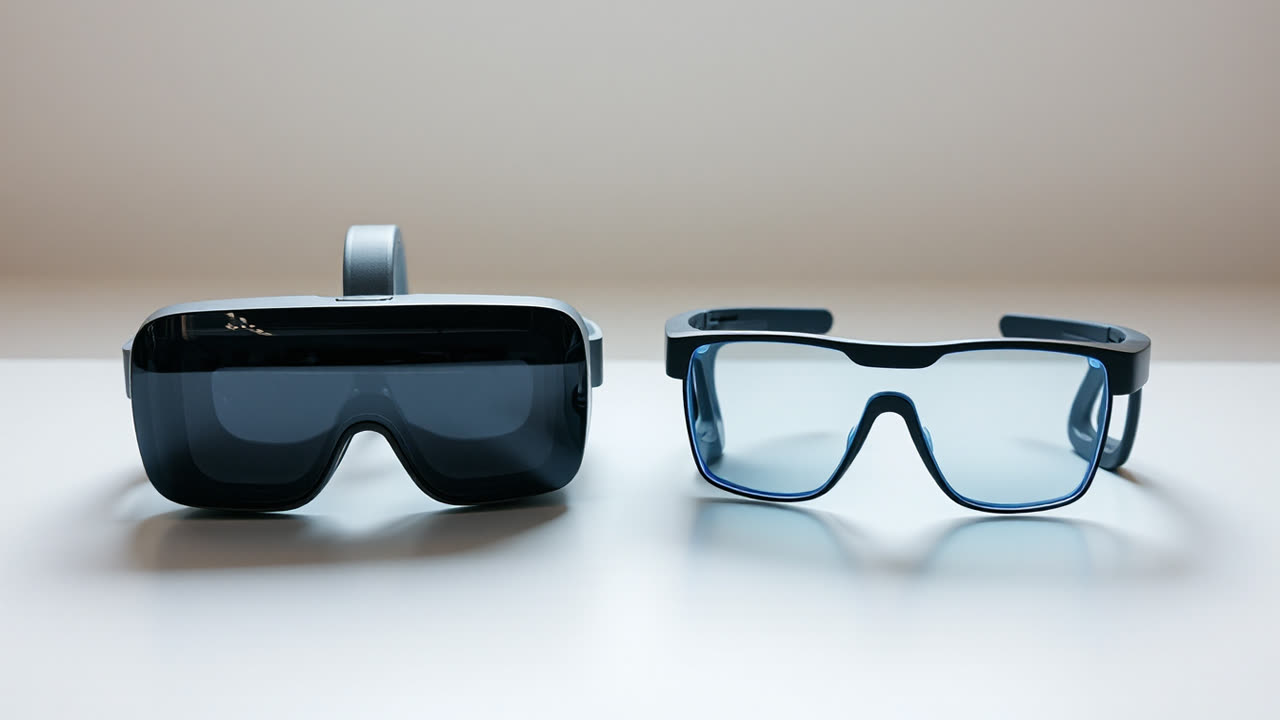
Meta Connect 2026 is poised to unveil a pivotal generation of hardware, with industry analysts keenly anticipating the debut of a sophisticated mixed reality headset and significantly enhanced AI glasses, signaling Meta's aggressive push to solidify its leadership in spatial computing and ambient AI. This year's keynote from Mark Zuckerberg is not merely an incremental update; it represents a strategic inflection point for the company's long-term vision, aiming to bridge the gap between aspirational metaverse concepts and tangible, everyday utility.
The forthcoming mixed reality headset, widely speculated to be the "Quest 4 Pro" or a similarly high-end device, is expected to dramatically elevate the immersive experience beyond the capabilities of its predecessors. Rumors suggest a substantial leap in display technology, potentially incorporating micro-OLED panels for sharper visuals and deeper blacks, surpassing the Quest 3's LCD displays and rivaling the visual fidelity offered by Apple's Vision Pro. A key focus will undoubtedly be on the passthrough experience, with improvements in camera resolution, color accuracy, and reduced latency critical for seamless blending of digital content with the physical world. This advanced passthrough is crucial for enterprise applications, allowing for intricate 3D modeling, collaborative design, and virtual training overlays in real-world environments. Furthermore, enhanced processing power, likely a custom Meta silicon solution, will drive more complex applications and higher fidelity graphics, a necessary step to attract both professional developers and power users. Battery life and comfort remain perennial challenges, and any significant improvements in weight distribution and ergonomic design will be critical for extended use, differentiating it from current market offerings that often suffer from fatigue during prolonged sessions.
Concurrently, the next iteration of Meta's AI glasses, following the Ray-Ban Meta Smart Glasses, is set to integrate far more advanced artificial intelligence capabilities. These glasses are expected to move beyond simple voice commands and photo/video capture, incorporating multimodal AI that can understand context, process visual information in real-time, and offer proactive assistance. Imagine real-time language translation appearing as subtitles over a foreign speaker, or an AI assistant providing directions with visual overlays directly in your field of view. The integration of improved audio output, possibly with directional sound, and a more discreet, fashionable design will be paramount for mainstream adoption. The "why it matters" here is profound: these AI glasses represent Meta's ambition to create a truly ambient computing platform, where technology recedes into the background, providing information and assistance without requiring users to constantly interact with a screen. This push into "everyday AI" directly challenges the traditional smartphone paradigm, aiming to shift user interaction from active engagement with a device to passive, contextual assistance from an always-on companion.
The impact on users will be transformative, albeit with significant privacy considerations that Meta must address transparently. For the first time, truly useful and subtle augmented reality could become accessible, moving beyond niche early adopter communities. For instance, a user could receive discreet navigation cues while walking, or instantly identify objects and get information about them simply by looking. For the industry, this dual hardware strategy—a high-end mixed reality headset for intensive applications and advanced AI glasses for ubiquitous ambient computing—positions Meta as a primary architect of the next computing platform. It represents a direct confrontation with Apple's spatial computing ambitions and Google's long-standing interest in ambient computing, forcing rivals to accelerate their own development cycles. The success of these devices will hinge not just on hardware prowess, but on the robustness of Meta's software ecosystem, including developer tools, AI models, and the perceived value of its metaverse offerings.
Looking ahead, Meta Connect 2026 will lay the groundwork for a future where digital and physical realities are increasingly intertwined. The immediate next steps will involve Meta aggressively recruiting developers to build compelling applications for both platforms, particularly for the multimodal AI glasses, which will require innovative interaction paradigms. The company must also demonstrate a clear path for integrating these devices into a cohesive "Metaverse" vision, moving beyond abstract concepts to deliver concrete, engaging experiences. Long-term, the success of Meta's strategy will depend on its ability to democratize access to these advanced technologies, making them affordable and appealing to a broad consumer base, while simultaneously navigating complex regulatory landscapes around data privacy and digital ethics. This year's Connect is not just about new gadgets; it's about Meta's boldest declaration yet for the future of human-computer interaction, aiming to redefine how we perceive and interact with the digital world.