Meta Launches Pocket App, Democratizing AI-Powered Interactive Mini-Game Creation in the US
Meta Platforms has officially launched Pocket, a free generative AI application enabling users to create and share interactive mini-games called 'gizmos' through text prompts, now available in the United States.
✨ This content was summarized and interpreted by AI; it may contain errors — please verify accuracy with the original sources. Learn more
Listen to this story
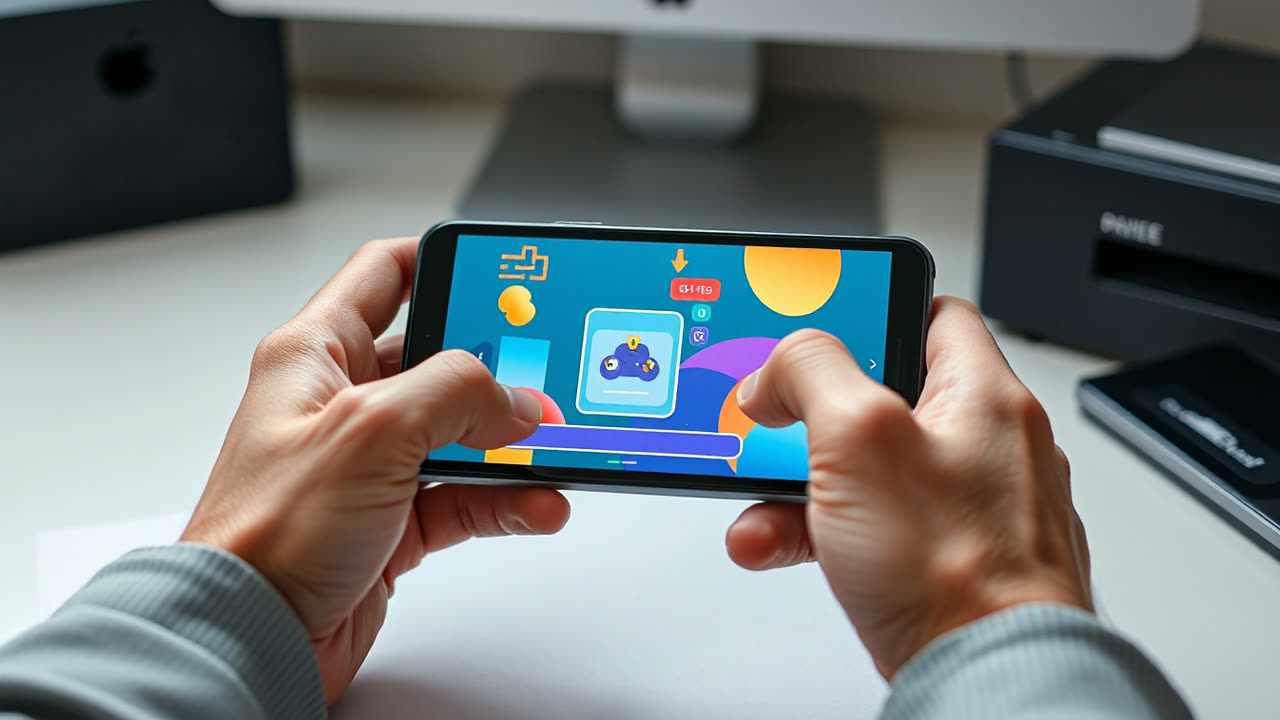
Meta Platforms has officially launched Pocket in the United States, a generative AI application that empowers users to create and share interactive mini-games, dubbed "gizmos," through simple text prompts. This free, standalone app, which quietly debuted on app stores around June 29, 2026, following a testing phase in Brazil, represents a significant stride in Meta's aggressive push into accessible AI-powered content creation.
Pocket transforms natural language descriptions into playable, interactive experiences that leverage modern smartphone capabilities, including touch, tilt, camera access, and microphone input, and can even incorporate personal photos and music. Unlike static AI-generated images or videos, these "gizmos" are dynamic, responsive mini-applications that users can publish to a scrollable social feed, akin to TikTok, where others can discover, play, save, repost, and critically, remix them into new creations. The ability to share these creations via links that don't require the Pocket app for viewing further lowers the barrier to engagement, emphasizing a frictionless, social-first approach to AI content.
The strategic importance of Pocket extends far beyond a casual gaming novelty. It signifies Meta's intent to democratize software creation, moving generative AI beyond text and image into interactive application development, a concept often referred to as "vibe coding". By removing the technical friction of traditional game development, Pocket opens the floodgates for a new wave of user-generated content (UGC), potentially transforming how individuals interact with and consume digital experiences. This platform could cultivate a massive new ecosystem of casual creators, fostering unique forms of self-expression and community engagement previously limited by coding expertise. For the broader tech industry, Pocket's success or failure will offer crucial insights into the viability of AI-driven interactive social platforms and the public's appetite for creating, rather than just consuming, complex digital experiences.
Pocket's lineage traces directly back to Meta's earlier 2026 acquisition of the team behind the original "Gizmo" app, a platform with a similar "vibe-coded" approach to interactive experiences. This acqui-hire underscores Meta's strategy of absorbing promising experimental teams that align with its vision for AI-native social products. The app is part of a larger pattern within Meta, which has been rapidly launching standalone AI-focused applications, including Meta AI for image generation and the Vibes app for AI videos, alongside integrating AI features into its core platforms like Facebook and Instagram. While other generative AI tools exist in gaming, focusing on procedural content generation for vast worlds, AI-driven NPCs, or asset creation for professional developers, Pocket distinguishes itself by making *interactive mini-app creation* accessible to everyday users through natural language prompts and integrating it deeply with social sharing and remixing mechanics. Unlike tools for professional game engines or Meta's own GenAI capabilities within Horizon Worlds, which cater to more complex VR/MR development, Pocket is positioned as a consumer "toy" rather than a professional content or creator-business tool, offering no current monetization options for creators.
Looking ahead, Pocket faces both immense potential and significant challenges. Its "feed-first" approach to AI creation could unlock unprecedented creativity, allowing users to rapidly prototype and share novel interactive concepts. This could lead to a proliferation of highly personalized and niche interactive experiences, catering to diverse interests in ways traditional game development cannot. However, the platform must navigate complex content moderation issues inherent in user-generated interactive AI experiences, which pose a deeper security challenge than static content. Ensuring that gizmos do not misuse camera access, extract data, or facilitate malicious behavior through remixing will be paramount for user trust and safety. Furthermore, while currently free, Meta's long-term strategy for monetizing Pocket or enabling creators to earn from their gizmos remains unclear. The evolution of "vibe coding" from a casual pastime to a more sophisticated form of digital literacy, and how Meta fosters a vibrant, engaged community around it, will determine if Pocket becomes a fleeting experiment or a foundational pillar in the future of interactive social media. Its success could redefine the boundaries of user-generated content, pushing the industry further into a future where anyone can be a developer, not just a player.