Meta Launches 'Pocket' App for AI-Powered Interactive 'Gizmos'
Meta's new social app, Pocket, allows users to generate and share interactive "gizmos" via AI prompts, marking a strategic pivot towards an AI-centric social future.
✨ This content was summarized and interpreted by AI; it may contain errors — please verify accuracy with the original sources. Learn more
Listen to this story
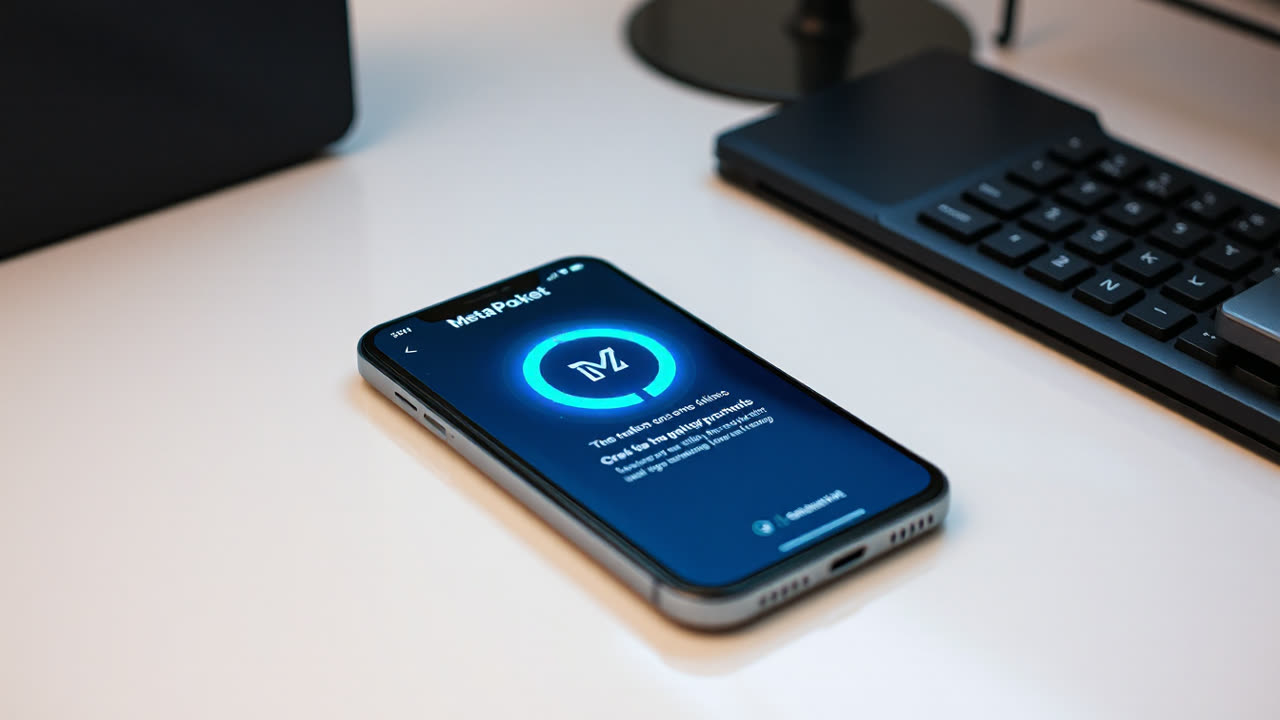
Meta has launched Pocket, a new social app enabling users to generate and share interactive "gizmos" through simple AI prompts, marking a significant step in the company's aggressive pivot towards an AI-centric future. The app, now rolling out in select regions and available on the Google Play Store, allows individuals to craft mini-games or dynamic experiences that respond to touch, phone tilt, and even integrate camera functions. This initiative stems from Meta's earlier acquisition of the team behind Atma Sciences Inc. and its original "Gizmo" app, solidifying a strategic move into AI-powered interactive content.
This development directly reflects Meta CEO Mark Zuckerberg's long-articulated vision for AI as the "new social media," transforming platforms into engines for hyper-personalized, immersive, and interactive content. Rather than merely recommending existing content, Meta aims for AI to deeply understand users and actively generate tailored experiences, fundamentally changing how people create and consume online. Pocket positions Meta to leverage its extensive user base and technological prowess to foster a community of AI-driven creativity, with user interactions directly contributing to the refinement of Meta's underlying AI models.
The success of Pocket will be a critical barometer for Meta's AI strategy, illustrating whether users are ready to transition from passive consumption to active co-creation with AI. While it promises to unlock new forms of expression and engagement, challenges around content quality and moderation, often dubbed "AI slop" in other generative contexts, will undoubtedly emerge. Nevertheless, Pocket signals an undeniable shift, indicating that the future of social platforms might not just be about connecting people, but empowering them to collectively build and inhabit AI-generated digital worlds.