Meta Now Uses Your Instagram Photos for AI by Default – Unless You Opt Out
Meta's new Muse Image AI model now uses public Instagram photos by default for training, shifting the burden of opting out onto users.
✨ This content was summarized and interpreted by AI; it may contain errors — please verify accuracy with the original sources. Learn more
Listen to this story
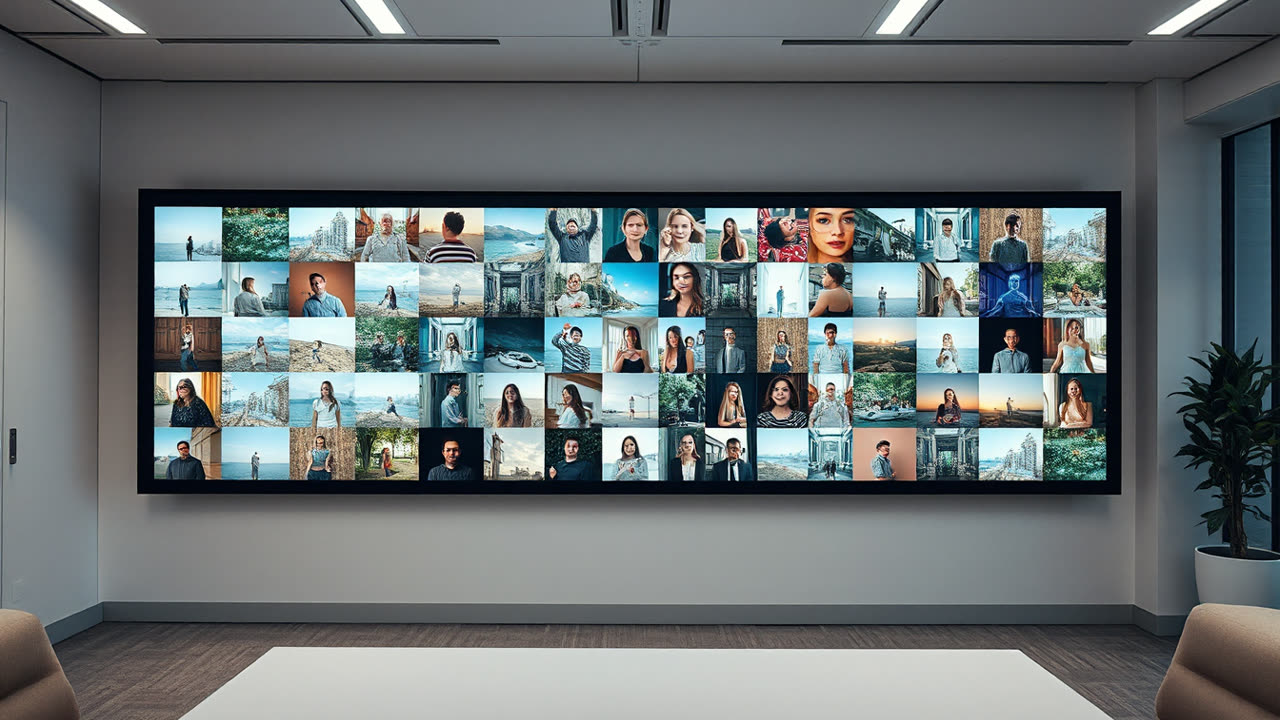
Meta is now allowing its new Muse Image AI model to generate images using public Instagram photos by default, placing the burden of opting out on users with public accounts.
The recently launched Muse Image model, a product of Meta's Superintelligence Labs, is integrated across Meta AI, Instagram, and WhatsApp. This generative AI tool can create images from text prompts and, notably, generate likenesses from publicly available Instagram posts. Meta's updated privacy policy permits using public posts, photos, captions, and AI interactions for training, affecting users over 18 with data potentially from 2007. This collection operates on an opt-out basis for public profiles.
This policy shift ignites significant concerns regarding user privacy, data ownership, and intellectual property. While private messages are excluded, the default public content inclusion forces users to navigate a convoluted opt-out process to safeguard their digital likenesses. Opt-out mechanisms vary regionally; EU and UK users have formal, often GDPR-protected, objection processes, but US users face weaker legal recourse, with reports indicating no guaranteed opt-out short of account deletion. Meta justifies this by claiming local data is essential for training AI models that accurately reflect regional nuances.
The Muse Image rollout highlights escalating tension between AI advancement and individual data autonomy. Despite safeguards like invisible watermarks, the default opt-in for public data places an undue burden on users. This necessitates clearer, simpler, and globally consistent data privacy regulations prioritizing user consent. Without stronger protections, the line between public sharing and involuntary data contribution will continue to blur, challenging our understanding of digital ownership.